
Picking
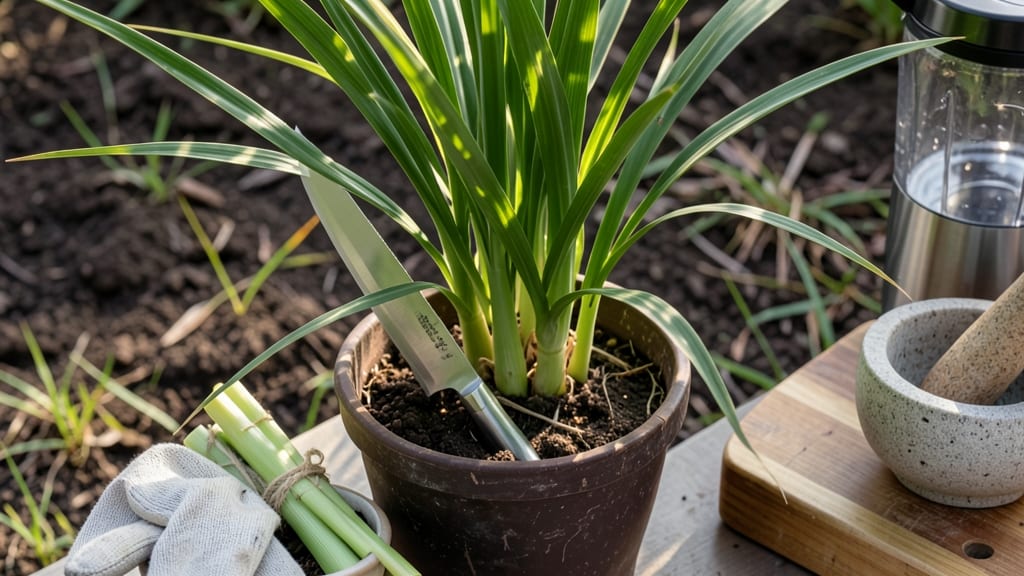
How to harvest and use lemongrass unlocks its boldest citrusy punch. ✨ I’ve learned the hard way that waiting too long means tough, fibrous stalks—so timing matters more than you’d think. The secret? Cut stems when they’re 12–18 inches tall and just before flowering for the tenderest, most fragrant harvest.
You’ll need sharp pruning shears and a clear day to avoid crushing the stalks. Snip about 2–3 inches above the ground to encourage regrowth, and always harvest 3–4 stalks at a time to keep the plant thriving.
The best part? Lemongrass keeps producing for years if cared for properly—just like my kitchen garden does now.
After harvesting, store the stalks in a jar of water in the fridge for up to 2 weeks, or dry them for long-term use. The leaves make fragrant teas, while the stalks shine in soups, marinades, and even homemade cleaning vinegar.
Trust me, your pantry will never smell the same.
Common mistakes? Harvesting too young (mild flavor) or too late (woody texture). And always save the base—it’ll regrow! Whether you’re growing lemongrass in pots or the ground, this trick works for any climate. Ready to turn your harvest into flavor?
📚 In This Guide
- What you need
- Instructions
- Tips and common mistakes
- Wrapping up and next steps
What you need
- ● Fresh lemongrass stalks: 3–5 mature stalks (look for firm, pale green stems with tight leaves at the top—avoid woody or yellowing ones!)
- ● Sharp chef’s knife or kitchen shears: A 10-inch serrated or chef’s knife works best for clean cuts.
- ● Cutting board: A 12x18-inch wooden or plastic board (avoid glass—it dulls knives!).
- ● Measuring tools: Ruler or measuring tape (for trimming to 3–4 inches lengths).
- ○ Optional: Kitchen scale (if you prefer 10–15g fresh lemongrass per recipe).
- ● Pestle & mortar (or food processor): For crushing or finely chopping lemongrass (a small mortar or mini food processor is ideal).
- ● Storage containers: Air-tight jar or bag (for fresh stalks—lasts 1 week in the fridge).
- ● Ice cube tray (for frozen lemongrass—freeze chopped stalks with water for easy measuring!).
- ● Citrus zester: For adding lemon or lime zest to complement lemongrass flavors.
- ● Microplane: To finely grate fresh lemongrass (great for teas or marinades!).
- ● Dried lemongrass (backup): 1 tsp dried = 3 tbsp fresh (store in a cool, dark place).
- ● Labeling tape: To mark jars with harvest dates (pro tip: write “use within 1 week”!).
Step-by-Step guide to harvesting and using lemongrass
Lemongrass delivers bold citrusy flavor when harvested and stored properly—here’s how to get the most from every stalk.
🌱 Step 1: Identify and Harvest Mature Stems
Wait until the lemongrass reaches at least 12 inches tall before harvesting—you’ll know it’s ready when the lower leaves have fully unfurled and the stalk feels firm to the touch. Grip the base of the stalk with one hand and twist gently while pulling upward. The stalk should separate cleanly from the root with a slight resistance. If it snaps easily, it’s not fully mature yet.
For continuous harvests, leave the bottom 2-3 inches of the stalk attached to the root—this encourages regrowth. I always harvest in the morning when essential oils are most concentrated, giving the strongest flavor. Avoid cutting with scissors unless absolutely necessary, as this can damage the plant’s growth point.
✂️ Step 2: Prepare Stems for Storage or Immediate Use
Trim off the tough outer leaves and any brown or wilted sections at the base. Peel away the fibrous outer layer until you expose the pale green, tender inner stalk—this is where the most flavor lives. Cut the stalk into 3-4 inch sections for easier handling. For immediate use, slice the inner stalk lengthwise to release the oils and aromatics when cooking.
If storing, wrap the whole stalk tightly in plastic wrap and refrigerate for up to 2 weeks. For longer storage, freeze the stalks whole—just thaw before use. I like to freeze them in 1-inch chunks in a sealed bag, ready to toss directly into simmering pots.
☀️ Step 3: Use Lemongrass in Cooking and Infusions
For soups and broths, add 2-3 lemongrass stalks (cut into 3-inch pieces) to the pot early in cooking. Remove them before serving—you only need the infused flavor, not the fibrous texture. Bruise the stalks slightly with the side of a knife to release their oils before adding to recipes. Lemongrass pairs beautifully with ginger, garlic, and chili, making it a staple in Thai and Vietnamese cuisine.
For teas, steep 1-2 inches of sliced lemongrass in 8 ounces of hot water for 5-10 minutes. Add honey or lime for a refreshing citrusy drink. The longer it steeps, the more bitter it becomes—taste as you go. I often combine it with mint or basil for a tropical twist.
🌿 Step 4: Regrow and Maintain Your Lemongrass Plant
After harvesting, water the plant deeply to encourage regrowth. Lemongrass thrives in full sun and well-draining soil—keep it in a pot if you live in a cooler climate, as it won’t survive frost. Fertilize lightly every 4-6 weeks with a balanced organic fertilizer to promote healthy new growth. With proper care, a single plant can produce harvests every 4-6 weeks for years.
Watch for signs of overwatering, like yellowing leaves or mushy stems—lemongrass prefers slightly dry soil between waterings. If the plant becomes leggy or sparse, trim back any dead growth and give it a little more sunlight. A happy lemongrass plant will keep giving you fresh stalks season after season.
Tips & tricks for perfect lemongrass harvesting and usage
Here's what nobody tells you about maximizing your lemongrass harvest—these tricks will transform your kitchen experience.
Harvesting Technique: When you're ready to harvest in Step 1, look for stalks where the lower leaves have fully unfurled and the stalk feels firm—this is your visual cue for maturity. I've found that twisting the stalk gently while pulling upward creates a cleaner break at the root than cutting, preserving the plant's health for future harvests. The best time to harvest is early morning when essential oils are most concentrated, giving you that vibrant citrusy punch in every recipe.
Flavor Extraction: In Step 2, when you expose the pale green inner stalk, don't just cut it—slice it lengthwise to release those aromatic oils. This simple technique intensifies the flavor when cooking. For even better results, lightly bruise the stalks with the side of your knife before adding to soups or broths. This releases more of the citrusy compounds that make lemongrass so special in Step 3.
Storage Wisdom: The 2-week refrigerator storage time in Step 2 works perfectly if you wrap the stalks tightly in plastic wrap, but here's a pro tip: freeze your lemongrass in 1-inch chunks instead of whole stalks. This makes it incredibly convenient to grab just what you need for recipes—no thawing required when you toss them directly into simmering pots. I keep a bag of these frozen chunks in my freezer specifically for quick weeknight cooking.
Tea Infusion: When making lemongrass tea in Step 3, remember that the 5-10 minute steeping range is crucial. Start with 5 minutes for a gentle flavor, then taste and add more time if you want it stronger. The longer it steeps, the more bitter it becomes, so don't exceed 10 minutes unless you're going for a medicinal tea. I like to add a slice of lime or a sprig of fresh mint to balance the citrusy notes and make it more refreshing.
Pro Tips for Harvest And Use Lemongrass
- Here's what nobody tells you about maximizing your lemongrass harvest—these tricks will transform your kitchen experience.
- Harvesting Technique: When you're ready to harvest in Step 1, look for stalks where the lower leaves have fully unfurled and the stalk feels firm—this is your visual cue for maturity.
- Flavor Extraction: In Step 2, when you expose the pale green inner stalk, don't just cut it—slice it lengthwise to release those aromatic oils.
Frequently asked questions
Got questions about harvesting and using lemongrass?
You’re not alone! Here are answers to the most common queries—from timing to storage and everything in between.
When is the best time to harvest lemongrass?
Harvest lemongrass when it’s young and tender, typically 3–4 months after planting. Look for stalks that are 12–18 inches tall with a diameter of about ½ inch. Avoid waiting too long—older stalks become woody and bitter. For a continuous harvest, trim back older stalks to encourage regrowth!
How long does fresh lemongrass last, and how should I store it?
Fresh lemongrass stays crisp in the fridge for up to 2 weeks when wrapped in a damp paper towel and sealed in a plastic bag. For longer storage, freeze it! Trim the stalks, wrap tightly in foil or plastic, and stash in a freezer bag for 6–12 months. Dried lemongrass keeps for 3–6 months in an airtight container.
Can I substitute lemongrass in recipes if I don’t have any?
In a pinch, you can use citrus zest (lemon/lime) + a pinch of ginger for flavor, but it won’t replicate lemongrass’s unique aroma. For texture, try green onion stalks or celery, though the taste won’t be identical. If you’re making tea, ginger or turmeric can add warmth, but lemongrass’s citrusy kick is hard to replace!
Why does my lemongrass taste bitter?
Bitter lemongrass usually means it’s overmature or stressed. Harvest younger stalks for sweetness, and avoid letting plants dry out. If grown in hot, dry climates, mulch the soil to retain moisture. If the bitterness persists, try a different variety like ‘West Indian’ lemongrass, which is milder and more aromatic.
How do I make lemongrass tea, and how much should I use?
For a refreshing cup, steep 2–3 inches of lemongrass (bruised or sliced) in 4 cups of hot water for 10–15 minutes. Strain, add honey or lime, and enjoy! For stronger flavor, simmer the stalks for 5–10 minutes first. Pro tip: Freeze lemongrass tea in ice cubes for a quick flavor boost in drinks!
Wrapping up and next steps
Harvesting and using lemongrass is easier than you think—and the rewards are delicious!
Whether you’re brewing a soothing tea, adding zing to curries, or experimenting with homemade remedies, this versatile stalk is a kitchen (and wellness) game-changer. 🌿 Start small, get creative, and soon you’ll be reaping the benefits of fresh, homegrown lemongrass year-round.
Ready to take the next step? Plant your own lemongrass or explore more recipes using what you’ve learned—your taste buds (and pantry) will thank you! 🍋✨