
Picking
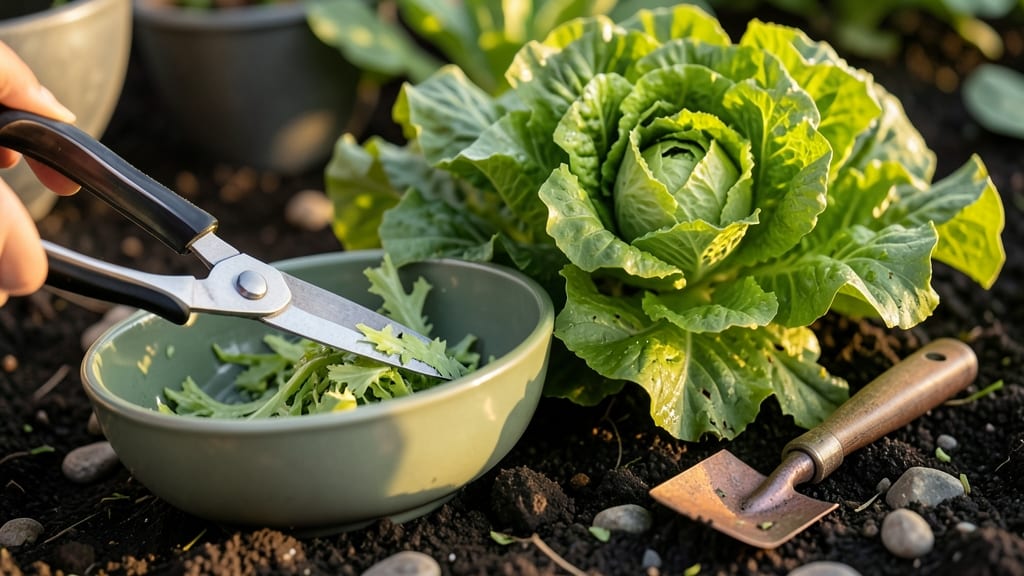
Harvesting lettuce leaves without killing the plant starts with the right cut. ✂️ I used to pull whole heads, leaving nothing behind—until I learned the "snip-and-grow" technique that keeps plants producing for weeks longer. The secret? Targeting outer leaves while preserving the center growth point where new leaves emerge.
You'll need sharp scissors or a clean knife, and a sunny spot to work. Cut just above the next set of leaves, leaving at least 1-2 inches of stem attached.
Avoid pulling leaves or cutting into the center, as this stunts regrowth. Water thoroughly after harvesting to help the plant recover and continue producing.
With this method, you'll enjoy fresh lettuce for 4-6 weeks from a single planting, and the plants stay compact and productive. The key is consistency—harvest every 2-3 days during warm weather or weekly in cooler months. This approach works for all leaf lettuces like romaine, butterhead, and loose-leaf varieties.
Common mistakes include cutting too close to the center or harvesting too aggressively, which stresses the plant. If you notice yellowing leaves after harvesting, it's a sign to cut back on frequency. The payoff? A continuous supply of tender greens without replanting, and healthier plants that resist bolting longer.
📚 In This Guide
- What you need
- Instructions
- Tips and common mistakes
- Wrapping up and next steps
What you need
- ● Sharp pruning shears or garden scissors – Must be clean and sanitized (1 pair, with blades at least 4-6 inches long). Avoid dull tools—they crush stems!
- ○ Gloves (optional but recommended) – Lightweight gardening gloves to protect hands from dirt and thorns (1 pair, breathable fabric).
- ● Clean container or basket – For collecting harvested leaves (1 medium-sized, with drainage holes if reusing for storage).
- ○ Water spray bottle (optional) – To mist leaves post-harvest for freshness (8-16 oz, fine-mist nozzle).
- ○ Ruler or measuring tape (optional) – To track leaf growth for consistent harvesting (6-12 inch range).
- ● Mature lettuce plants – Outer leaves should be at least 4-6 inches long (butterhead, romaine, or leaf lettuce work best).
- ● Sunny or partially shaded location – Harvest in the morning when leaves are crisp and hydrated.
- ● Patience (1-2 weeks between cuts) – Give plants time to regrow after each harvest.
Step-by-Step instructions for harvesting lettuce without killing the plant
Here's the foolproof method I've used for years to keep lettuce thriving while enjoying fresh leaves all season.
✂️ Step 1: Identify the Right Leaves to Harvest
Start by selecting the outer leaves that are fully grown—typically around 3-4 inches long. These are the oldest and won't stunt the plant's growth. Look for leaves that are fully unfurled and have a deep green color. Avoid harvesting the inner leaves or the heart of the plant, as these are still growing and provide energy for future leaves.
I like to wait until the outer leaves are slightly larger than the ones beneath them. This ensures the plant has enough energy to produce new growth. If you're unsure, pinch the leaf between your fingers—it should feel firm and crisp, not wilted or rubbery.
🌱 Step 2: Use the Proper Cutting Technique
Grab a pair of clean, sharp scissors or pruning shears. Hold the leaf near the base where it meets the stem and make a clean cut at a 45-degree angle, about ¼ inch above the crown. This angled cut helps water run off and prevents rot. Never rip or tear the leaves—this damages the plant and invites disease.
I always sanitize my tools with rubbing alcohol before and after harvesting to prevent spreading pathogens. A quick wipe-down takes seconds but keeps your lettuce healthy. After cutting, gently pull the leaf away from the plant to ensure it separates cleanly.
💧 Step 3: Maintain Moisture and Light After Harvesting
Within 24 hours of harvesting, water the plant deeply to replenish moisture lost during cutting. The soil should feel damp 1-2 inches down—stick your finger in to check. Lettuce roots are shallow, so consistent moisture is key to encouraging regrowth. Avoid overhead watering, which can spread disease; instead, water at the base.
Place your lettuce plant in a spot with 4-6 hours of indirect sunlight daily. Too much direct sun after harvesting can stress the plant, causing bitterness or bolting. If your lettuce is in a container, rotate it a quarter turn every few days to ensure even growth. You'll see new leaves emerging from the center within 5-7 days if conditions are right.
⏰ Step 4: Monitor Growth and Repeat Harvests
Watch for the newest outer leaves to reach 3-4 inches again—this is your cue to harvest another round. Regular harvesting actually encourages bushier growth, as the plant focuses energy on producing more leaves rather than bolting. I harvest my lettuce every 7-10 days during peak growing seasons, and the plant keeps producing for months.
If the lettuce starts to look leggy or the leaves turn bitter, it's a sign it's ready to bolt. At this point, harvest the entire plant or let it go to seed for next year. To extend the harvest season, consider planting a second crop in late summer for a fall harvest.
🌿 Step 5: Prevent Common Mistakes for Long-Term Success
One of the biggest mistakes is harvesting too much at once. Never take more than ⅓ of the plant's leaves in a single session, or you'll shock the lettuce into bolting. Also, avoid harvesting in extreme heat—lettuce prefers cooler temperatures (60-65°F) and will bolt if stressed by heat.
If you notice yellowing leaves after harvesting, it’s often a sign of overwatering or nutrient deficiency. I add a balanced, water-soluble fertilizer every 4-6 weeks to keep my lettuce thriving. And remember: the more you harvest, the more your lettuce will reward you with fresh, tender leaves all season long.
Tips & tricks for perfect lettuce harvesting
Here's what nobody tells you about keeping your lettuce thriving through multiple harvests.
Leaf Selection Strategy: Focus on harvesting leaves that are at least 3-4 inches long and fully unfurled from the outer edges. These mature leaves won't stunt growth—they're the plant's "spare tires" designed to be removed. I've found that waiting until outer leaves are noticeably larger than inner ones ensures the plant has enough energy reserves to keep producing. The key visual cue: pinch the leaf—it should feel firm and crisp, not limp or rubbery, which indicates it's ready for harvest.
Cutting Technique Matters: That 45-degree angle cut in Step 2 isn't just aesthetic—it's functional. The angled cut creates a larger surface area that helps water run off during irrigation, preventing rot at the stem base. I've seen beginners make straight cuts right at the crown, which traps moisture and leads to fungal issues. Always use clean, sharp tools—dull scissors tear leaves, causing damage that invites pests. And never rip leaves by hand; the clean cut preserves the plant's integrity and encourages faster regrowth.
Post-Harvest Care Timeline: The 24-hour watering window after harvesting is critical for recovery. Lettuce roots are shallow, so consistent moisture at the base (not overhead) is essential. I've learned the hard way that skipping this step leads to stunted regrowth. For container-grown lettuce, rotate the pot a quarter turn every few days to ensure even light exposure—this prevents leggy growth and keeps leaves uniformly tender. The 5-7 day window for new growth emergence is your reward for proper care.
Seasonal Adaptation: Lettuce thrives in cooler temperatures (60-65°F), so avoid harvesting during heatwaves. I've seen lettuce bolt (go to seed) in as little as 3 days when temperatures exceed 75°F. For extended harvests, consider shade cloth during peak afternoon sun. And remember: the 7-10 day harvest cycle assumes ideal conditions—adjust based on your climate and plant's response. If leaves turn bitter prematurely, it's a sign of stress from heat or insufficient moisture.
Pro Tips for Harvest Lettuce Without Killing The Plant
- Here's what nobody tells you about keeping your lettuce thriving through multiple harvests.
- Leaf Selection Strategy: Focus on harvesting leaves that are at least 3-4 inches long and fully unfurled from the outer edges.
- Cutting Technique Matters: That 45-degree angle cut in Step 2 isn't just aesthetic—it's functional.
Frequently asked questions
Got questions about harvesting lettuce the right way?
You’re not alone! Here are some of the most common concerns—plus quick, no-stress answers to keep your garden thriving.
How do I know when lettuce is ready to harvest?
Lettuce is ready when the leaves are at least 4–6 inches tall and the outer leaves are firm and crisp. For loose-leaf varieties, you can start picking as soon as they’re big enough to eat! For head lettuce, wait until the head is fully formed but still tender—usually 60–80 days after planting.
Can I harvest lettuce by pulling the whole plant?
Nope! Pulling the whole plant kills it and ends your harvest. Instead, use clean scissors or pruners to snip leaves just above a leaf node (the bump where new leaves grow). This encourages regrowth and keeps your plant happy for weeks (or even months!) of cuts.
What’s the best time of day to harvest lettuce?
Harvest in the morning when temps are cool and dew is still on the leaves. This keeps lettuce crisp and prevents wilting. Avoid harvesting in hot afternoons—leaves can get soggy or bolt (go to seed) faster if stressed by heat.
My lettuce keeps bolting (sending up a flower stalk). How do I fix this?
Bolting usually happens due to heat, drought, or age. To prevent it:
- Harvest outer leaves first to keep the plant young.
- Water deeply at the base (not overhead) to avoid stress.
- Use shade cloth in hot climates or plant heat-tolerant varieties like ‘Black Seeded Simpson.’
- If it’s already bolting, harvest all leaves before seeds form—they’re still edible!
Can I regrow lettuce from store-bought heads?
Not usually! Store-bought lettuce is often treated with growth inhibitors or cut from mature plants. However, loose-leaf lettuce (like romaine or butterhead) from farmers’ markets might regrow if you place the base in 1 inch of water and keep it in sunlight. Success isn’t guaranteed, but it’s worth a try!
Wrapping up and next steps
Harvesting lettuce doesn’t have to be stressful—with the right techniques, you can enjoy fresh greens and keep your plants thriving! 🌱 The key is patience, sharp tools, and a little know-how.
Whether you’re a beginner or a seasoned gardener, these gentle methods ensure your lettuce keeps growing strong for weeks to come.
Ready to take your harvest to the next level? Try experimenting with succession planting—sow new seeds every 2-3 weeks to enjoy a continuous supply of crisp, homegrown lettuce all season long! 🌿