
Picking
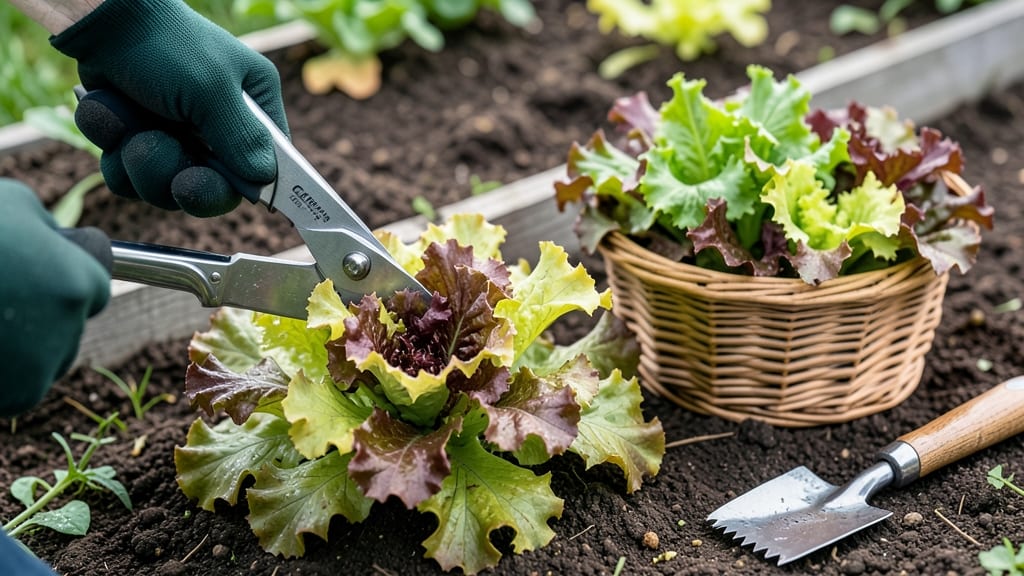
Harvesting mesclun lettuce leaf-by-leaf preserves your crop for weeks. ✨ The key is patience—wait until leaves reach 2-3 inches long before cutting, but never let the center bolt. I’ve learned that harvesting outer leaves first keeps the plant producing while protecting tender inner growth.
Use clean, sharp scissors or your fingers to pinch off leaves at their base. Avoid yanking—this damages the crown and slows regrowth. For a full head, cut just above the soil line but leave the bottom 1-2 inches intact.
This method keeps your plants productive for months, not just weeks.
After harvesting, rinse leaves gently and store in a damp paper towel-lined container. Keep them in the fridge for up to a week, or use immediately in salads. The plants will reward you with new growth within 5-7 days if you maintain consistent moisture and sunlight.
Common mistakes include harvesting too aggressively or waiting until the center bolts. Both lead to bitter leaves and wasted plants. Instead, focus on regular, gentle cuts—your mesclun will thrive and keep delivering crisp, flavorful greens all season long.
📚 In This Guide
- What you need
- Instructions
- Tips and common mistakes
- Wrapping up and next steps
What you need
- ● Sharp scissors or pruning shears – Clean, sterilized, and sharp (avoid dull tools to prevent crushing leaves).
- ○ Gloves (optional but recommended) – Nitrile or garden gloves to protect hands from dirt and potential thorns.
- ● Harvest basket or container – Shallow, breathable container (like a colander or mesh bag) to avoid bruising leaves.
- ○ Water spray bottle (optional but helpful) – For misting leaves to keep them crisp during harvest.
- ● Sunny, dry day – Ideal for harvesting (morning is best to avoid wilted leaves).
- ● Kitchen shears or a serrated knife – For trimming larger batches quickly.
- ● Plastic wrap or damp towel – To cover harvested mesclun if storing before use.
- ● Hand lens or magnifying glass – Helpful for spotting pests or inspecting leaf health.
- ● Compost bin or bucket – For discarded outer leaves or damaged foliage.
Step-by-step instructions for harvesting mesclun lettuce
This gentle approach keeps your mix thriving while delivering crisp, flavorful leaves for weeks.
🌿 Step 1: Wait Until Leaves Reach Harvest Size
Harvest mesclun when individual leaves reach 3-4 inches long, about 3-4 weeks after planting. You'll notice the outer leaves forming full, broad blades while the inner rosette stays compact. This signals maturity without letting the plant bolt—especially critical in warm weather.
Use your thumb and forefinger to gently pinch the base of the largest outer leaves. Avoid cutting stems unless absolutely necessary; mesclun regrows best when you leave the growing point intact. I always harvest in the morning after dew has dried but before the sun peaks—leaves stay crispest then.
✂️ Step 2: Harvest Outer Leaves Selectively
Never take more than one-third of the plant at a time. Snip or pinch only the largest, most mature outer leaves, leaving the inner growth undisturbed. This encourages bushier regrowth and prevents the plant from sending up flower stalks prematurely. For tender varieties like red oakleaf, I harvest just the damaged or yellowing edges rather than whole leaves.
Use clean, sharp scissors or your fingers to avoid tearing. A clean cut prevents disease entry points and makes the plant look tidier. If you see any yellowing leaves, harvest those first—they're past their prime and can drain nutrients from the rest of the plant.
💧 Step 3: Maintain Moisture and Fertility After Harvesting
Water immediately after harvesting to replenish moisture lost during the process. Mesclun has shallow roots, so 1 inch of water per week keeps it thriving. I use a gentle spray nozzle to avoid dislodging soil or damaging tender leaves. The soil should stay consistently moist but never soggy—mesclun hates wet feet.
Feed with a balanced liquid fertilizer (10-10-10) diluted to half-strength every 2-3 weeks during active growth. You'll see new leaves emerge from the center within 5-7 days if conditions are right. This rapid regrowth is why mesclun is such a rewarding cut-and-come-again crop.
☀️ Step 4: Protect From Bolting and Pests
Watch for signs of bolting—tall flower stalks shooting up from the center. This happens when days get long or temperatures rise above 75°F. If you see flower buds forming, harvest everything immediately and compost it—bolted mesclun becomes bitter and woody. Shade cloth during peak afternoon sun can delay bolting by 1-2 weeks in hot climates.
Inspect leaves regularly for pests like aphids or slugs. Aphids cluster on undersides, while slugs leave irregular holes. I treat aphids with a strong spray of water and slugs with beer traps—both methods work without chemicals. Healthy mesclun grows fast enough that minor damage rarely becomes a problem.
⏰ Step 5: Time Your Final Harvest Before Bolting
Plan your final harvest 2-3 weeks before your first expected frost. By this point, the plant will have put all its energy into seed production, and regrowth will be minimal. Harvest everything down to 1 inch above the soil to remove potential disease sites. The remaining stubble can be composted or left to decompose in place.
For a second crop in fall, succession plant new mesclun 4-6 weeks before frost. The cooler temperatures actually improve flavor, and you'll have fresh greens right through winter in mild climates. I always save seeds from my best-performing varieties for next year's plantings—mesclun mixes change flavor dramatically from year to year.
Tips & tricks for perfect mesclun lettuce harvesting
These subtle techniques will help you extend your mesclun's productivity and quality for weeks.
Timing Secret: The morning after dew dries is the absolute best time to harvest—leaves are crispest then. If you must harvest later in the day, work in the shade to prevent wilting. I've found that harvesting just after sunrise also helps prevent bolting by reducing stress on the plant during peak heat.
Regrowth Strategy: When harvesting in Step 2, focus on removing only the largest outer leaves while leaving the inner growth intact. This encourages bushier regrowth and prevents the plant from sending up flower stalks. For tender varieties like red oakleaf, I harvest just the damaged or yellowing edges rather than whole leaves to maintain plant vigor.
Temperature Matters: Mesclun thrives best when daytime temperatures stay below 75°F. If you're in a hot climate, use shade cloth during peak afternoon sun to delay bolting by up to two weeks. I've seen dramatic improvements in regrowth when protecting plants from intense midday heat.
Post-Harvest Care: After harvesting, water immediately to replenish moisture lost during the process. Use a gentle spray nozzle to avoid damaging tender leaves, and maintain consistently moist soil—never soggy. This simple step keeps your mesclun thriving and ready for your next harvest in just 5-7 days.
Pro Tips for Harvest Mesclun Lettuce
- These subtle techniques will help you extend your mesclun's productivity and quality for weeks.
- Timing Secret: The morning after dew dries is the absolute best time to harvest—leaves are crispest then. If you must...
- Regrowth Strategy: When harvesting in Step 2, focus on removing only the largest outer leaves while leaving the inner...
Frequently asked questions
Got questions about harvesting mesclun lettuce? You’re not alone!
Here are answers to the most common concerns—from timing to troubleshooting—so you can harvest like a pro and keep your greens thriving.
When is the best time to harvest mesclun lettuce?
Harvest mesclun when the outer leaves are at least 4–6 inches tall and fully unfurled. Morning is ideal—leaves are crisp and hydrated after dew has dried. Avoid harvesting in extreme heat (like midday sun), which can stress the plant. Pro tip: Regular harvesting (every 2–3 weeks) encourages bushier, more productive growth!
How often should I harvest mesclun to keep it growing?
For continuous harvests, pick outer leaves every 2–3 weeks—never take more than 1/3 of the plant at once. Mesclun is resilient! If you harvest too aggressively, the center may bolt (go to seed). Balance is key: Let the inner leaves stay intact to fuel regrowth.
What should I do if my mesclun bolts or tastes bitter?
Bolting (shooting up flower stems) or bitterness usually means heat stress or maturity. To fix it:
- Shade cloth: Use 30–50% shade to cool roots.
- Water deeply: Keep soil moist but not soggy.
- Harvest fast: Pick leaves before they fully bolt—young leaves are still tender!
Can I harvest mesclun with roots attached, or should I cut the whole plant?
Always harvest leaf-by-leaf—never uproot the whole plant! Gently twist or snip leaves just above a node (where leaves meet the stem) to encourage regrowth. If you cut too close, the plant may struggle. Bonus: Leaves with roots attached (like spinach) are great for potting up—try regrowing in water!
What can I do with mesclun I can’t harvest fast enough?
If your mesclun is bolting or overgrown, don’t waste it! Try these quick fixes:
- Blanch & freeze: Trim leaves, blanch for 2 mins, then freeze in bags for salads later.
- Pesto or soup: Bolted leaves add flavor—use stems in pesto or toss greens into soups.
- Compost: If severely bitter, compost the leaves to enrich your soil.
Wrapping up and next steps
Harvesting mesclun lettuce the leaf-by-leaf way isn’t just easy—it’s a game-changer for your garden! By following these gentle steps, you’ll enjoy a bountiful, continuous harvest while keeping your plants thriving. The key? Patience, sharp tools, and a little love—your future salads will thank you!
Now that you’re ready to reap the rewards, why not take it a step further? Try preserving your harvest by washing, storing, or even fermenting those fresh leaves for later. Happy harvesting! 🌱✨