
How To
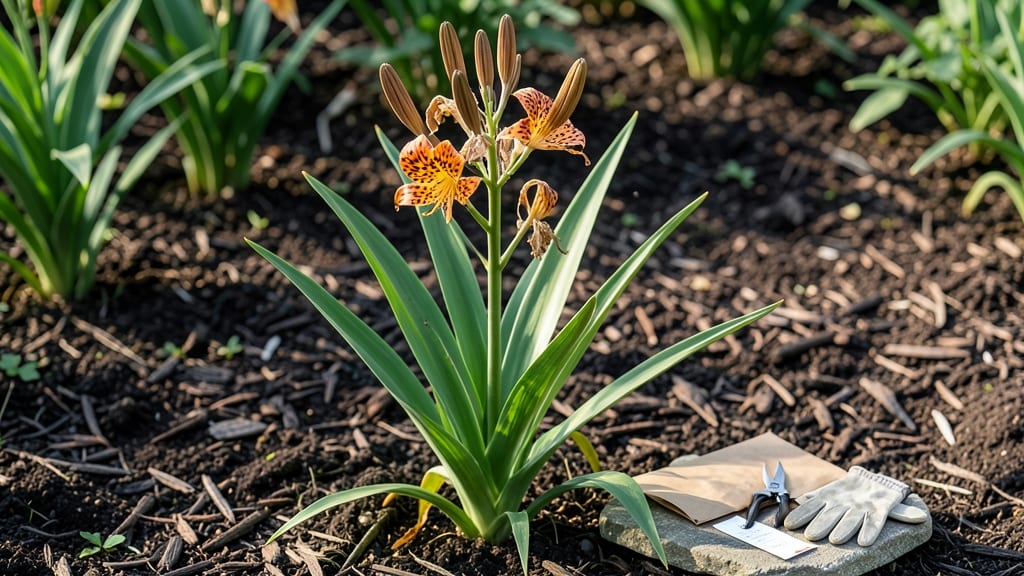
Harvesting tiger lily 🌸 seeds at the perfect moment means the difference between a thriving garden and scattered seeds lost to the wind. The key isn't just waiting for pods to open—it's catching them just before they split, when seeds are plump and ready for collection.
If you've ever watched your tiger lilies bloom only to see their seed pods burst open too soon, you know the frustration. But with the right timing and techniques, you can transform those brown, drying pods into a goldmine of seeds for next year's garden.
I'll show you exactly how to spot the perfect moment and collect seeds without missing a single one.
From identifying mature pods to processing seeds for storage, this guide covers every step. You'll learn how to preserve viability and avoid common mistakes that waste your hard work.
Whether you're a seasoned gardener or just starting, these tips will help you maximize your harvest and grow more tiger lilies year after year.
Ready to turn your garden's late-summer blooms into a seed-saving success? Let's dive into the step-by-step process that'll have you collecting seeds like a pro before the first frost hits.
When and how to spot tiger lily seed pods before they open
Tiger lilies produce their seed pods after flowering, but timing is everything. These pods start as green and firm—a sure sign they’re not ready. Your goal is to harvest them just before they split open, when they turn dry and brown.
Missing this window means seeds scatter, and your harvest disappears into the soil or air.
Watch for color changes on the pods. They begin as bright green, then fade to tan or light brown as they mature. The pods also become papery and brittle, making them easy to crush between your fingers.
This is your cue to act fast—harvest within 24-48 hours before they burst open.
Location matters too. Seed pods form along the flowering stems, often near the top where the blooms once were. Scan your plants from late summer to early fall (typically August to October in most climates). If you’re in USDA Zone 6a, aim for mid-September when days grow shorter.
Don’t confuse seed pods with seed heads. Tiger lilies produce long, cylindrical pods (not fluffy dandelion-like puffs). These pods can reach 3-6 inches long and contain dozens of seeds inside. Once they split, the seeds fly away—so speed is critical.
Pro Tip: Mark your calendar 6-8 weeks after flowering to check for readiness. This timing aligns with the plant’s natural cycle, ensuring pods are ripe but not yet open.
🌿 Step-by-Step Guide to Spotting Ready Seed Pods
- 🔍 Inspect stems after blooms fade. Look for green pods forming.
- 🌡️ Check pod color weekly. Aim for tan or brown (not green).
- 👆 Gently squeeze pods. Ready pods feel dry and brittle, not firm.
- ⏳ Harvest within 48 hours of turning brown to prevent splitting.
- 📝 Note pod location on tall stems. Use a small ladder if needed.
Mistaking unripe pods for ready ones is a common error. Green pods are underdeveloped and won’t yield viable seeds. To test readiness, cut open a pod: plump, dark seeds mean success; shriveled or hollow seeds mean failure. This quick check saves time and effort.
Environmental factors like humidity and rain accelerate pod opening. In wet climates, pods may split faster—check them every 2-3 days during humid spells. Conversely, dry conditions slow the process, giving you more leeway to harvest.
If your pods split before you harvest, don’t panic. Scatter the fallen seeds into well-draining soil—many will still germinate. However, hand-harvesting ensures higher viability and easier storage. Prioritize pods that are brown but unopened for the best results.
Use a magnifying glass to examine pods up close. Look for tiny cracks along the seams—these signal imminent splitting. Harvest these immediately, as they’ll release seeds within hours. Patience here pays off with higher-quality seeds for future gardens.
When and how to spot tiger lily seed pods before they open
Harvesting tiger lily seeds starts with spotting the perfect seed pods at the right moment. These pods form after the plant’s bright orange flowers wither, replacing them with green, pea-sized capsules. Your goal? Catch them when they’re brown but still closed—before they burst open and scatter seeds everywhere.
Timing is everything. Aim for late summer to early fall (August–October in most zones), when the foliage begins yellowing and the pods turn from green to dry brown.
If you wait too long, the pods split open naturally, and those dark, plump seeds will vanish into the soil or air. Pro tip: Check your plants weekly once the flowers fade.
Visual cues are your best friends. Look for pods that are dry to the touch but haven’t cracked yet. Gently press one—if it feels papery and hollow, it’s ready. Avoid pods that are still firm or green; those seeds won’t germinate well. Also, watch for slightly open seams along the pod—this is your final warning before the seeds escape.
- 🔍 Scan the plant after flowers wilt. Pods grow where blooms once stood.
- 👀 Check for color: Green = not ready; brown = harvest time.
- ✋ Test firmness: Press gently—dry pods crumble slightly.
- 📏 Measure readiness: Pods should be 1–2 inches long and dry.
- ⏳ Act fast: Harvest within 3–5 days of browning to avoid seed loss.
Don’t overlook the pod’s location on the plant. They often hide among the dying foliage, so shake the stems gently over a white tray or newspaper to spot fallen pods.
If you’re working with multiple plants, prioritize the tallest stems—they tend to produce the most pods. And remember: morning harvests are ideal because pods are drier after overnight dew evaporates.
One common mistake is confusing seed pods with seedlings or pests. Tiger lily pods are oval and smooth, while seedlings have tiny leaves.
If you see chewed pods, squirrels or birds might be raiding your harvest—cover plants with fine mesh netting early if this is a recurring issue.
Once you’ve identified the perfect pods, act quickly. The window between browning and bursting is narrow—sometimes just 24–48 hours. Use clean pruners or scissors to snip the stem 1–2 inches below the pod, leaving a small stem attached helps prevent premature splitting during handling.
Store them in a paper bag (not plastic) to allow airflow until you’re ready to process them.
Pro tip: Label your pods with the harvest date and plant variety if you’re collecting from multiple types. This ensures you’ll know exactly when to plant them later—tiger lily seeds stay viable for 1–2 years if stored properly in a cool, dry place. 🌱