
How To
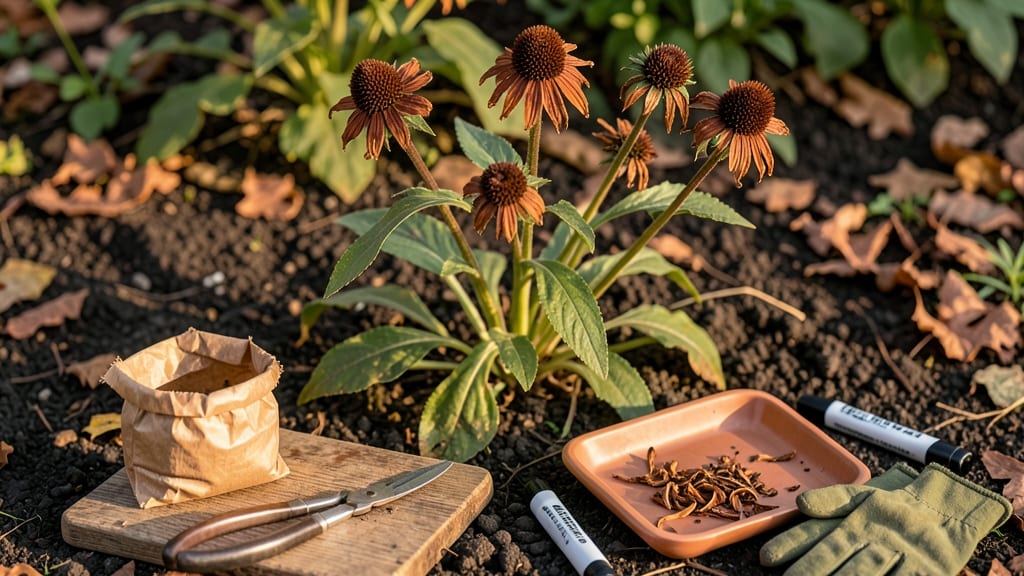
Harvesting rudbeckia seeds at the right time could mean the difference between thriving plants next year and wasted effort. This cheerful 🌼 isn't just beautiful—it's a seed-saving powerhouse, but only if you catch those seeds when they're truly ready.
Most gardeners miss the perfect window because they don't know what to look for—those subtle clues like brown, papery seed heads or the telltale rattle when you shake them.
I've learned the hard way that harvesting too early means low germination rates, while waiting too long risks losing seeds to frost or pests.
What you're about to discover will save you from throwing away viable seeds or dealing with moldy storage later. We'll cover exactly when to harvest (hint: it's not when the petals first drop), plus the best drying techniques to preserve those seeds for planting in USDA Zone 6a next spring.
Whether you're a first-time seed saver or looking to refine your process, these simple steps will ensure your rudbeckia seeds stay fresh and ready to grow for years to come.
When and how to identify mature rudbeckia seeds for harvesting
Harvesting rudbeckia seeds at the right time is crucial for high germination rates and healthy seedlings. The best time to harvest is late summer to early fall, typically between September and October, when the first frost threatens.
Watch for these visual cues to know when your rudbeckia seeds are ready.
First, look for dried flower heads that have turned a deep brown color. Unlike the vibrant yellow petals of summer, mature seed heads will appear papery and brittle.
If you gently shake the head, you’ll hear seeds rattling inside—this is your green light to harvest. Petals should have fallen off naturally, leaving only the dried seed head behind.
Timing is everything—harvest too early, and seeds won’t be fully mature; wait too long, and they might scatter or sprout prematurely. In USDA Zone 6a, aim to harvest before October 31st, when the first frost arrives.
If frost hits early, collect seeds as soon as possible, even if they’re not fully dried, and finish drying them indoors.
Here’s a quick step-by-step guide to identifying mature rudbeckia seeds for harvesting, so you can confidently gather seeds at peak viability:
Check for brown, papery seed heads
Look for flower heads that have turned completely brown and dry. Avoid green or moist heads—they’re not ready.
Listen for seed rattling
Gently shake the dried head. If seeds rattle inside, they’re mature and ready for harvest.
Confirm petals have fallen
Mature seed heads will have lost their petals, leaving only the dried center. This is the ideal time to collect.
Harvest before first frost
In Zone 6a, aim to harvest by October 31st to avoid frost damage. If frost is imminent, collect seeds early and dry them indoors.
Use clean tools for harvesting
Use sharp scissors or pruners to cut the dried seed heads, leaving a 1-inch stem attached for easier handling.
Once you’ve identified mature seed heads, the next step is proper drying. Rudbeckia seeds need to dry completely to prevent mold and ensure long-term viability. Place harvested heads in a well-ventilated area, like a mesh bag or paper bag, away from direct sunlight.
This allows air to circulate while preventing overheating, which can damage seeds.
If you’re harvesting in humid conditions, consider drying seeds indoors near a dehumidifier or fan to speed up the process. Aim for 1-2 weeks of drying time, depending on your climate.
Once fully dry, the seeds will easily pop out of the seed head with a gentle squeeze or by rubbing between your fingers.
Pro tip: Label your seed heads with the harvest date and variety if you’re growing multiple types of rudbeckia. This helps track maturity and ensures you don’t accidentally mix seeds. Store them in a cool, dry place until you’re ready to dry and store them long-term.
Harvesting rudbeckia seeds at the right time ensures you’ll have a bountiful supply for next year’s garden. By following these steps, you’ll maximize seed viability and enjoy cheerful rudbeckia blooms season after season.
Best drying methods to preserve rudbeckia seed viability
After harvesting rudbeckia seeds, proper drying is critical to prevent mold and maintain high germination rates. Rush this step, and you risk seeds sprouting prematurely or developing fungal contamination. The key is balancing humidity control and air circulation while avoiding extreme heat.
Start by spreading harvested seeds on a clean, breathable surface, like a paper towel or seed drying screen. Place them in a well-ventilated area with indirect sunlight—a shaded windowsill or garage shelf works perfectly. Avoid direct sunlight, which can overheat and damage viability.
Ideal drying conditions include 50-60% humidity and room temperature (65-75°F). Use a dehumidifier or fan if your climate is naturally damp. Stir seeds gently every 2-3 days to ensure even drying—this prevents clumping and mold growth.
| Method | Humidity Needs | Drying Time | Best For |
|---|---|---|---|
| Air-Drying (Outdoors) | 40-60% | 7-10 days | Dry climates |
| Indoor Drying (Fan-Assisted) | 50-60% | 5-7 days | Humid climates |
| Oven Drying (Low Heat) | N/A (Controlled) | 1-2 hours | Emergency use only |
Seeds are fully dry when they no longer stick together and feel light and brittle to the touch. A simple test: gently crush a few seeds between your fingers—they should crumble easily without leaving a damp residue. If they still feel moist, extend drying time by 1-2 more days.
Once dry, store seeds in paper envelopes or breathable fabric bags to prevent moisture buildup. Label each with the harvest date and rudbeckia variety—this ensures you don’t accidentally plant last year’s seeds too late.
Keep them in a cool, dark place (like a seed vault or refrigerator crisper) to maximize seed longevity.
With proper drying, rudbeckia seeds can remain viable for 2-3 years, giving you a head start on next season’s golden blooms. Just remember: patience is key—rushing the process risks poor germination and wasted effort. 🌾