
Tools
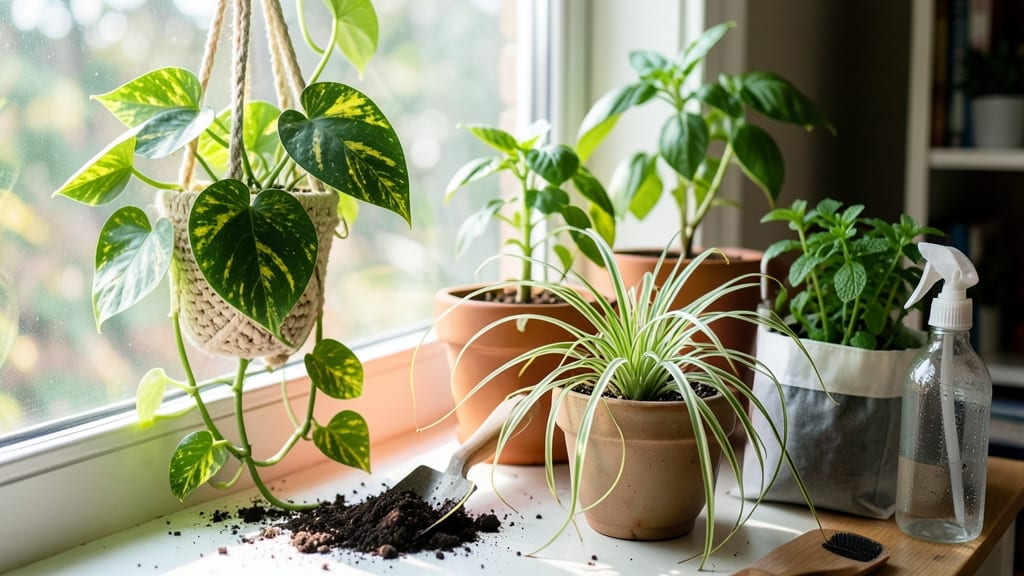
Want to learn how to have a garden in an apartment? You don’t need a backyard—just a little creativity and the right setup to grow fresh herbs and veggies right where you live.
Picture this: crisp basil for your morning coffee, snappy green onions for stir-fries, or even cherry tomatoes right on your kitchen counter. These aren’t just dreams—they’re achievable with General Apartment Plants 🌱 that thrive in small spaces.
Whether you’re working with a sunny balcony or a dim corner, we’ll show you how to turn even the tiniest nook into a productive green oasis.
The key lies in smart space-saving strategies, like vertical gardens, self-watering planters, and light-hacking tricks for low-sun spots. You don’t need a green thumb—just a little creativity and the right tools.
Let’s explore how to maximize your space, pick the easiest plants to grow, and keep your mini garden flourishing all year round.
From choosing the perfect containers to mastering watering schedules, you’ll discover simple, foolproof methods that work for beginners and busy apartment dwellers. Ready to turn your living space into a thriving garden? Let’s get started.
Best space-saving garden setups for apartment herb and green cultivation
Apartment gardening thrives with the right setup—whether you have a tiny balcony or just a sunny windowsill. The key is maximizing vertical space and using containers that fit your layout.
I’ve tested three setups that work beautifully in small spaces: vertical gardens, window farm systems, and compact container arrangements. Each has unique benefits, so let’s break them down to help you choose the best fit for your home.
Vertical gardens are perfect for renters or those with limited floor space. They transform walls or railings into lush, green displays while keeping your plants within arm’s reach. My favorite vertical garden uses fabric pockets or hanging pockets—they’re lightweight, affordable, and ideal for herbs like basil or thyme.
These setups also improve air circulation, reducing the risk of fungal diseases that plague crowded pots.
Window farm systems are a game-changer for indoor growers. These hydroponic or aeroponic setups use LED lights and water reservoirs to grow plants in stacked trays. They’re especially great for leafy greens like lettuce or spinach, which thrive in consistent moisture and cool temperatures.
The best part? You can place them on a countertop or hang them from a ceiling hook, freeing up precious floor space.
Compact container gardens are the most flexible option. You can use anything from stackable pots to self-watering planters, and they’re perfect for sun-loving plants like cherry tomatoes or peppers.
I recommend choosing containers with drainage holes to prevent root rot, and opt for lightweight materials like plastic or fabric to make moving them easier. For a cohesive look, stick to a uniform color or size.
Here’s a quick comparison to help you decide which setup aligns with your goals, space, and plant preferences:
| Setup | Best For | Pros | Cons | Ideal Plants |
|---|---|---|---|---|
| Vertical Garden | Small spaces, renters, wall decor | Maximizes space, improves air flow, aesthetic appeal | Limited root space, harder to access lower plants | Basil, thyme, mint, lettuce |
| Window Farm System | Indoor growing, consistent light needs | Hydroponic efficiency, space-saving, great for greens | Requires LED lights, higher upfront cost | Spinach, kale, microgreens, herbs |
| Compact Containers | Flexibility, sun-loving plants, balconies | Easy to move, versatile, good drainage | Needs more frequent watering, limited vertical growth | Tomatoes, peppers, rosemary, sage |
If you’re short on sunlight, a window farm system with LED grow lights is your best bet. These lights mimic natural sunlight and can run on a timer, making them ideal for north-facing windows or indoor setups.
For maximum yield, pair your system with reflective surfaces like mirrors or aluminum foil behind pots to bounce extra light onto your plants.
For herbs and greens that love warmth, compact containers on a sunny balcony or windowsill are hard to beat. I’ve had the most success with self-watering planters, which reduce the risk of over- or under-watering.
Just be sure to rotate your containers weekly so all sides get even light exposure—this prevents leggy growth and ensures your plants stay bushy and healthy.
Vertical gardens are my go-to for renters or those with limited floor space. They’re not just functional but also add a stunning visual element to any room. To keep them thriving, I recommend using a drip irrigation system or misting bottle for even water distribution.
Plus, vertical gardens are perfect for fast-growing herbs like basil or chives, which you can harvest frequently without sacrificing plant health.
No matter which setup you choose, start small and experiment. Try one or two containers this season, then expand as you gain confidence. The goal is to enjoy the process and reap the rewards of fresh, homegrown herbs and greens—no matter how small your space! 🌱
Best space-saving garden setups for apartment herb and green cultivation
When space is limited, maximizing vertical real estate and choosing the right containers can transform even the smallest apartment into a thriving garden.
I’ve tested three space-saving setups—vertical gardens, window farm systems, and compact containers—each perfect for growing herbs and greens without sacrificing your living space.
Vertical gardens are ideal for walls or fences, using hanging pockets or modular panels to grow plants upward. Window farms, like the AeroGarden, use LED lights and hydroponics to grow plants indoors near a sunny window.
Compact containers, such as stackable pots or self-watering planters, fit neatly on balconies or countertops while keeping maintenance simple.
🌱 Comparison Table: Space-Saving Garden Setups
| Setup | Best For | Pros | Cons | Ideal Plants |
|---|---|---|---|---|
| Vertical Garden | Walls, fences, or railings | Maximizes space, aesthetic appeal, easy access | Requires sturdy mounting, watering can be tricky | Herbs, lettuce, strawberries |
| Window Farm | Indoor countertops near windows | No sunlight needed, compact, automated watering | Expensive upfront cost, limited plant variety | Basil, mint, microgreens |
| Compact Containers | Balconies, patios, or kitchen counters | Portable, versatile, budget-friendly | Requires more frequent watering, limited root space | Green onions, chives, thyme |
For vertical gardens, I recommend using fabric grow bags or wooden crates with drainage holes. These setups work best for fast-growing herbs like basil or parsley, which don’t need deep soil.
If you’re using a window farm, place it on a south-facing windowsill for maximum natural light, even if supplemented with LED grow lights.
Compact containers are my go-to for green onions and chives because they thrive in shallow pots and can be harvested repeatedly. Just ensure each container has drainage holes to prevent root rot—a common issue in apartments with limited airflow.
Rotate your pots weekly to ensure even light exposure for all sides of the plant.
One of my favorite space-saving hacks is using stackable planters on a balcony. These let you grow multiple plants vertically, freeing up floor space. Pair them with a self-watering system to reduce maintenance, especially if you travel often.
Just remember: herbs like mint can be invasive, so keep them in their own pot or a hanging planter to contain their spread.
No matter which setup you choose, start small with 3–5 plants to test what works best in your space. Once you see success, you can expand! The key is observation and adjustment—watch how your plants respond to light, water, and space, and tweak as needed. Happy growing! 🌿