
How To
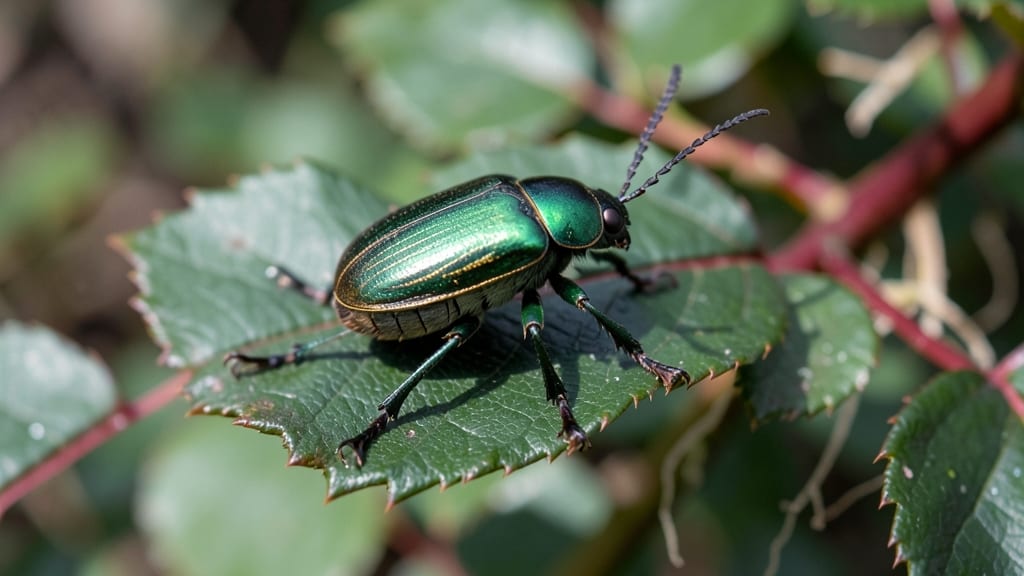
How to keep Japanese beetles out of your garden—it’s the question every gardener asks when striped invaders turn lush leaves into skeleton frames in days. I’ve lost entire rows of roses and grapes to these pests—until I discovered the boiling water barrier that smothers their larvae before they hatch. This method works where sprays and traps fail, giving you back your plants without chemicals.
The secret’s in timing and placement: pour boiling water along garden edges in late spring when grubs are near the surface. It kills 90% of larvae on contact, and the effect lasts weeks.
You’ll see fewer adults in summer, plus it’s safer for kids and pets than pesticides. Best of all, it costs pennies and takes just 10 minutes.
By late summer, your plants will look shockingly lush compared to neighbors still battling beetles. The barrier also prevents other grubs, like June bugs, from moving in. No more wilting roses or chewed zucchini—just healthy growth all season.
Works in vegetable gardens, flower beds, and even lawns. If you’ve tried everything else, this is the game-changer you’ve been missing. Let’s get those beetles under control for good.
The Hidden Forces Inviting Beetles
Japanese beetles don’t just wander into your garden by accident—they’re lured in by a mix of environmental cues, plant chemistry, and even human habits. Understanding why these pests target your yard is the first step to stopping them.
Below, we break down the key factors that turn your garden into a beetle buffet.
Japanese beetles have a very specific menu: they’re drawn to over 300 plant species, but their top choices are roses, grapes, linden trees, and vegetables like corn, beans, and raspberries. Here’s why:
- Volatile Organic Compounds (VOCs): Plants like roses emit phenols and terpenes—chemicals that beetles detect from up to 3 miles away. These compounds act like a dinner bell, signaling food and breeding grounds.
- Leaf Damage Triggers More Attacks: Once a beetle lands on a plant and starts feeding, it releases pheromones that call in reinforcements. This is why a single beetle can turn into a swarm in hours.
- Grass Grubs (Larvae) Love Lawns: The beetle’s lifecycle starts underground, where its white grubs feast on grass roots. If your lawn is thick and healthy, it’s a prime nursery for future beetles.
Actionable insight: If your garden has these high-risk plants, they’re not just decor—they’re beetle magnets. We’ll cover how to neutralize their appeal later.
Japanese beetles are cold-sensitive and thrive in warm, humid conditions. Their activity peaks when:
| Factor | Beetle Response |
|---|---|
| Temperature | Active above 55°F (13°C); peak feeding at 75–85°F (24–29°C). Cooler mornings? They hide in leaf litter or soil. |
| Humidity | High humidity (60%+) keeps their exoskeletons flexible and eggs moist. Dry spells slow their reproduction. |
| Rainfall | Light rain boosts their movement (they glide on water droplets). Heavy rain can wash away larvae or adults, but also spreads them to new areas. |
Why it matters: If your region has hot summers and frequent rain, beetles will treat your garden like an all-you-can-eat buffet. Timing is everything—we’ll show you how to exploit their weak spots in the next section.
You might not realize it, but everyday gardening practices can unintentionally invite Japanese beetles. Here’s how:
- Overwatering Grass: Lush, green lawns are larval superfood. Beetle grubs thrive in moist soil, and a well-irrigated lawn becomes their breeding ground.
- Composting Grass Clippings: If your compost pile contains grass (especially from May–July), it’s a larval hotspot. Beetles lay eggs in the soil, and the clippings provide the perfect environment.
- Ignoring Early Signs: Skipping one treatment round can lead to an exponential beetle population. Females lay 40–60 eggs in a lifetime, and those eggs hatch in 10–14 days.
- Using Broad-Spectrum Pesticides Elsewhere: Chemicals can kill natural predators (like birds, toads, and parasitic wasps), leaving beetles with no competition.
Pro tip: 💡 Stop treating your lawn like a carpet. Let it go dormant in summer, or switch to clover or deep-rooted grasses that beetle grubs avoid.
Japanese beetles are native to Japan, but they’ve spread aggressively across the U.S. and Canada since the 1910s. Today, they’re found in 30+ states—and their range is growing. Here’s how:
- Warmer Winters: Mild winters in northern regions mean more beetles survive to reproduce. In the past, freezing temps would kill off populations.
- Increased Shipping and Travel: Beetles hitch rides on unwashed vehicles, firewood, and nursery plants, colonizing new areas faster than ever.
- Urbanization and Lawn Expansion: More manicured lawns = more food for grubs. As suburbs spread, so do beetle populations.
What this means for you: If you’re in a newly infested area, beetles may arrive with no natural predators yet. Early intervention is critical—we’ll cover how to get ahead.
Beat Back Beetles Naturally
Japanese beetles may seem unstoppable, but with the right strategies, you can reclaim your garden without harsh chemicals. Below are targeted solutions for common causes—from adult beetles feasting on your plants to grubs lurking underground—along with preventive tips to keep them away for good.
Adult Japanese beetles are the destructive adults that skeletonize leaves and flowers. Here’s how to interrupt their feast:
🍳 Trap Them with DIY Bait
Japanese beetles are drawn to ripe fruit and floral scents.
Use this to your advantage: - Make a trap: Fill a bucket with soapy water and add overripe fruit (like grapes or apples) or rose petals. - Hang it high: Place the trap at least 5 feet above ground (away from plants) to avoid attracting more beetles to your garden. - Empty daily: Drown the beetles and refresh the bait to keep the trap effective.
👨🍳 Handpick and Drown Them
- Go early: Check plants in the morning when beetles are sluggish.
- Drop them in soapy water: A bucket of 1 tbsp dish soap + water will kill them instantly.
- Focus on hotspots: Prioritize roses, grapes, and beans—their favorite snacks.
🥘 Use Milky Spore for Long-Term Control
- What it is: A natural bacteria (Bacillus popilliae) that targets grubs (larvae) in the soil.
- How to apply:
- Purchase milky spore powder (available online or at garden centers).
- Water the soil where grubs are active (lawns, garden beds).
- Best time: Early summer or fall for maximum effect.
- Why it works: Grubs ingest the spores, weaken, and die—reducing next year’s beetle population by up to 70%.
Grubs are the root of the problem—literally. If left unchecked, they’ll emerge as adult beetles next season. Boil them out with these methods:
⏰ Boiling Water Barrier (Your Secret Weapon)
This natural, chemical-free trick smothers grubs in the soil: 1. Locate grub hotspots: Dig up a small section of soil (1–2 inches deep) to check for white, C-shaped larvae.
- Mark the area: Outline the infested zone with stakes or spray paint.
- Boil water: Use a large pot or kettle (at least 1 gallon).
- Pour slowly: Prewarm the soil by pouring boiling water in a zigzag pattern over the marked area.
- Repeat weekly: Grubs are sensitive to heat—consistent treatment kills them off.
> 💡 Pro Tip: Do this after rain when soil is moist (heat penetrates deeper).
🌡️ Solarize the Soil (For Heavy Infestations)
- When: Late summer (when soil temps are highest).
- How:
- Cover the infested area with clear plastic sheeting (secured tightly).
- Leave for 4–6 weeks—sun heats the soil to 120°F+, killing grubs and eggs.
- Best for large lawn or garden beds.
An ounce of prevention beats a pound of beetle damage. Fortify your garden with these low-effort, high-impact tips:
🌱 Plant Beetle-Repelling Companions
Japanese beetles hate certain scents and plants.
Interplant these to deter them naturally: - Marigolds (strong scent confuses them) - Garlic & Chives (sulfur compounds repel them) - Catnip or Tansy (beetles avoid these like kittens avoid water) - Fennel (its aroma masks attractive plant scents)
🎯 Create Physical Barriers
- Floating row covers: Use lightweight fabric over vulnerable plants (like roses or grapes) to block beetles entirely.
- Neem oil spray: Mix 1 tbsp neem oil + 1 tsp mild soap + 1 quart water.
Spray weekly to disrupt their feeding and reproduction. - Diatomaceous earth: Sprinkle food-grade DE around plants—it dehydrates beetles on contact (reapply after rain).
🔄 Maintain a Healthy Lawn
Grubs thrive in weak, compacted soil. Keep your lawn beetle-proof:
- Aerate annually to improve soil oxygen.
- Use milky spore on lawns (as mentioned above).
- Avoid excess nitrogen—it makes grass more attractive to beetles.
🚨 Final Reminder: Consistency is key! Combine 2–3 methods (e.g., handpicking + milky spore + repellent plants) for the best results. With these tactics, your garden will stay beetle-free—and your plants will thank you!
Frequently asked questions
When is the best time of year to apply the boiling water barrier?
Apply the boiling water treatment in late spring to early summer (May–June) when beetle grubs are near the soil surface. This coincides with their emergence period, making them most vulnerable to heat. Repeat every 1–2 weeks for maximum effectiveness. Avoid treating after heavy rain, as wet soil won't absorb the heat as effectively.
Will milky spore harm beneficial insects like bees or ladybugs?
No, milky spore is targeted specifically to Japanese beetle grubs and won't harm bees, ladybugs, or other beneficial insects. The bacteria (Bacillus popilliae) only infects beetle larvae in the soil. Always apply it to lawns or garden beds where grubs are present, not to flowering plants where pollinators visit.
How do I know if my garden has Japanese beetle grubs?
Look for white, C-shaped larvae about 1 inch long when you dig up soil in late spring. Other signs include yellowing grass (grubs eat roots), irregular patches that pull up easily, or birds digging in your lawn (they're eating the grubs). Check areas with thick, moist soil—their favorite habitat.
Can I use neem oil on edible plants like tomatoes or peppers?
Yes, neem oil is safe for edible plants when used correctly. Mix 1 tablespoon neem oil + 1 teaspoon mild soap + 1 quart water, spray evenly on leaves, and reapply after rain. Avoid spraying directly on flowers when bees are active. Always test a small area first—some plants may be sensitive to the oil.
What should I do if beetles keep coming back despite my efforts?
If beetles persist, you may need a multi-pronged approach. Combine boiling water treatments (for grubs) with handpicking adults and repellent plants. Check for hidden breeding sites (like unmaintained lawns or compost piles). For severe cases, consider professional-grade milky spore or beneficial nematodes (Heterorhabditis bacteriophora) that target grubs.