
Picking
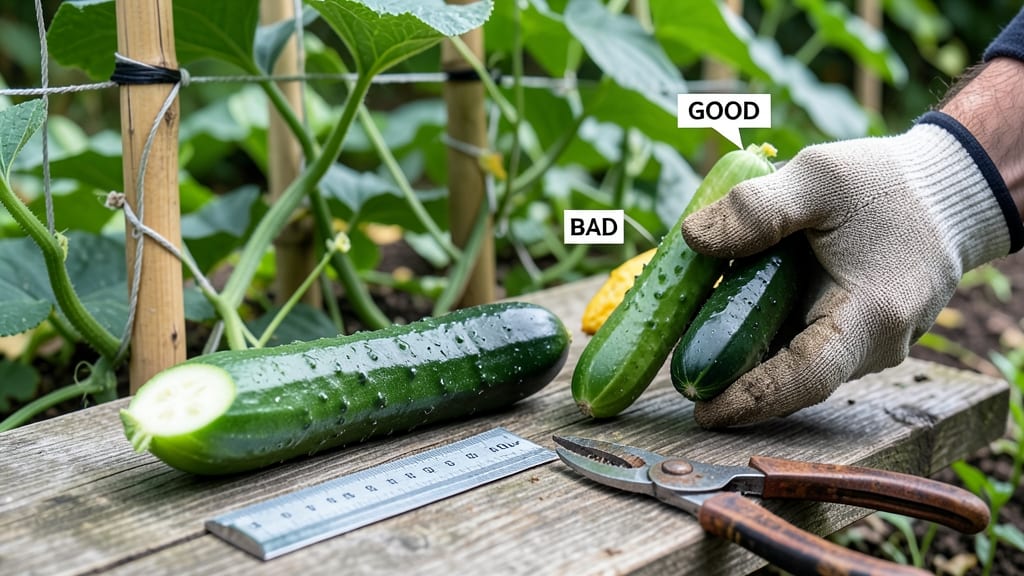
How to know if a cucumber is good can be trickier than it seems—especially when stores stock them weeks before they’re truly ripe. 🌿 The secret lies in three simple tactile checks that reveal whether that cucumber is at its peak or past its prime, saving you from bland slices or rubbery bites.
Start with firmness: press gently along the sides—it should feel solid without any soft spots. Next, check the skin: a slightly dull, matte finish means freshness, while shiny or waxy skin signals it’s been sitting too long.
Finally, sniff near the stem end (yes, really)—a clean, earthy aroma is good, but any musty or fermented smell means it’s gone bad.
You’ll spot the best cucumbers instantly after mastering these checks: they’ll snap when bent slightly, have smooth skin with no bruises, and smell like a sunny garden. Overripe cucumbers get pithy seeds and bitter flesh, while underripe ones stay hard and tasteless—neither is worth your time.
This method works for store-bought, farmers' market finds, or even your own garden harvest. Once you know what to look for, you’ll never settle for second-best cucumbers again—just crisp, juicy perfection every time.
📚 In This Guide
- What you need
- Instructions
- Tips and common mistakes
- Wrapping up and next steps
What you need
- ● 1 fresh cucumber (any variety: slicing, pickling, or Persian)
- ○ 1 clean cutting board (optional but recommended for hygiene)
- ● 1 sharp knife (chef’s knife or paring knife for precision)
- ● 1 paper towel or clean cloth (for gentle drying)
- ● Your senses! (sight, touch, smell—your best quality-control team 👀👃🤲)
- ● Magnifying glass (to inspect tiny blemishes or mold)
- ● Food scale (if checking weight for density)
- ● Small bowl of water (for the "float test" method)
- ● Flashlight (to spot hidden bruises in dim lighting)
- ○ Thermometer (optional) (if testing for ideal storage temp: 45–55°F)
How to know if a cucumber is good: 3 tactile checks for peak freshness
Here's how I pick the best cucumbers every time—no guesswork, just simple feel-and-look cues.
🌿 Step 1: Check the Weight and Firmness
Grab the cucumber and give it a gentle squeeze. A ripe cucumber should feel heavy for its size—this means it's packed with water and flavor. If it feels light or hollow, it's overripe or picked too early. Aim for a firm but slightly yielding texture, like a ripe avocado. Press lightly along the sides; if it gives just a little, it's perfect. Avoid cucumbers that feel mushy or have soft spots—they're past their prime.
I always compare cucumbers side by side. The heavier one in a pair is usually the better choice. If you're shopping at a farmers' market, ask when they were harvested—cucumbers picked at peak ripeness (when they're still slightly firm) taste the best. A cucumber that feels too hard or rubbery hasn't fully matured yet, while one that's too soft has overstayed its welcome.
🌱 Step 2: Inspect the Skin and Stem End
Run your fingers over the skin. A good cucumber should have a smooth, slightly bumpy surface with no deep grooves or wrinkles. Tiny bumps are normal and even desirable—they indicate natural ripening. Avoid cucumbers with yellowing, bruised, or sunken spots, as these are signs of age or damage. The stem end (where it was attached to the vine) should be dry and slightly hardened, not slimy or wet.
Check the color too. Most cucumbers should be bright green all over, with no yellowing or brown patches. Some heirloom varieties develop yellow streaks as they ripen, but these should still be vibrant, not dull. If the cucumber has a white or pale green bloom on the skin, it was likely picked too early and won't taste as sweet. The bloom is a natural protective layer that disappears as the cucumber matures.
☀️ Step 3: Listen for the Crunch and Smell the Stem
Give the cucumber a light tap on the side with your knuckles. A ripe cucumber should make a clear, crisp sound, like a fresh bell pepper. If it sounds dull or hollow, it's overripe. For an extra test, cut off a small slice near the stem end and listen to the snap—it should crackle slightly, not bend or squish. This crunch is your best indicator of juiciness and freshness.
Take a quick sniff at the stem end. A ripe cucumber should have a mild, fresh, slightly sweet aroma. If it smells fermented, sour, or overly musky, it's past its peak. Some cucumbers (like Persian or lemon varieties) have a more pronounced scent, but it should never be overpowering or off-putting. A cucumber with no smell at all was likely picked too early and lacks flavor.
⏰ Step 4: Examine the Size and Shape
Size matters, but not in the way you might think. A good cucumber should be proportionate and evenly shaped, with no bulges or uneven growth. For slicing varieties, aim for 6-8 inches long—they're usually at peak sweetness. Smaller cucumbers (under 4 inches) are often underripe, while larger ones (over 10 inches) can be seedy and bitter. Look for a slightly tapered shape, with a thicker end near the stem and a thinner tip.
If you're buying seedless cucumbers, they should feel smooth and uniform along their length. Bumpy or lumpy cucumbers might have gone through uneven growth or been exposed to inconsistent watering. Avoid cucumbers with deep ridges or wrinkles, as these indicate stress or age. The best cucumbers have a sleek, even surface that feels cool to the touch.
Tips & tricks for perfect cucumber selection
Finding the ideal cucumber is all about trusting your senses—here's how to take your selection to the next level.
Weight Comparison: When choosing between cucumbers, always pick up two at a time. The heavier one is almost always the better choice because it indicates higher water content and juicier flesh. I learned this the hard way after buying a batch of light cucumbers that tasted bland and watery. For the best results, compare side by side at the store—it only takes a few seconds and can make all the difference.
Temperature Test: A properly ripe cucumber should feel cool to the touch when you run your fingers along its skin. This isn't just about freshness—it's a sign the cucumber was recently harvested and hasn't sat in warm storage. If you're shopping in summer, look for cucumbers that feel slightly chilled even at room temperature. This coolness indicates they were likely stored properly and haven't been exposed to heat, which can make them bitter.
Stem End Secrets: Pay special attention to the stem end—the part where the cucumber attached to the vine. It should be dry and slightly hardened, not slimy or wet. This is your best indicator of freshness because it shows the cucumber was recently picked. If the stem end feels damp or sticky, it's a sign the cucumber has been sitting too long and may have started to ferment. This is especially important when buying organic cucumbers, which often have their stems still attached.
Size Matters: While 6-8 inches is ideal for slicing cucumbers, don't dismiss smaller ones completely. Some varieties like Persian cucumbers are naturally smaller (around 4-6 inches) but can be even sweeter when fully ripe. The key is to look for proportionate size—avoid cucumbers that are too long and thin or too short and fat. These often indicate uneven growth or poor quality. For seedless varieties, aim for a uniform diameter throughout the length.
Pro Tips for Know If A Cucumber Is Good
- Finding the ideal cucumber is all about trusting your senses—here's how to take your selection to the next level.
- Weight Comparison: When choosing between cucumbers, always pick up two at a time.
- Temperature Test: A properly ripe cucumber should feel cool to the touch when you run your fingers along its skin.
Frequently asked questions
Got questions about picking the perfect cucumber? You’re not alone! Here are some of the most common queries—and their answers—to help you shop like a pro every time.
How can I tell if a cucumber is ripe vs. overripe?
A ripe cucumber should feel firm but slightly yielding when gently squeezed—like a ripe avocado. If it’s rock-hard, it’s underripe; if it’s mushy or has soft spots, it’s overripe. Pro tip: Check the stem end for a slight green tint (not yellow or brown).
How long do cucumbers last in the fridge?
Unwashed cucumbers stay fresh for 1–2 weeks in the fridge, stored in a perforated plastic bag or container. Avoid washing until ready to use—moisture speeds up spoilage. For extra shelf life, toss them in a paper towel to absorb excess humidity.
Can I use a cucumber that’s slightly soft?
Yes! Soft spots often mean the cucumber is past its prime for slicing, but it’s still great for soups, smoothies, or pickling. Just cut out the mushy areas. If the entire cucumber is limp, compost it—it may have gone bad.
What’s the best way to store cucumbers if I can’t eat them right away?
Store them stem-side down in the crisper drawer (not with tomatoes or apples—they release ethylene gas, which speeds up spoilage). For short-term storage, leave them at room temperature, but refrigerate within 24 hours to preserve freshness.
Why does my cucumber have yellow spots?
Yellow spots are usually harmless and just mean the cucumber was exposed to sunlight (a natural process called "sunburn"). However, if the spots are squishy, moldy, or smell off, toss it. Otherwise, trim the spots and enjoy!
Wrapping up and next steps
Now that you’ve mastered the art of spotting a fresh, crisp cucumber, you’re ready to shop like a pro! 🌱 Whether you’re picking from a farmers’ market or the grocery store, these simple tactile checks will save you from soggy, bitter surprises.
Next time, grab a cucumber with confidence—your salads, sandwiches, and snacks will thank you! Happy shopping, and may your cucumbers always be firm and delicious!
Pro tip: 💡 If you’re still unsure, ask the vendor for their freshest pick—most will happily point you to the best ones!