
Companion Plants
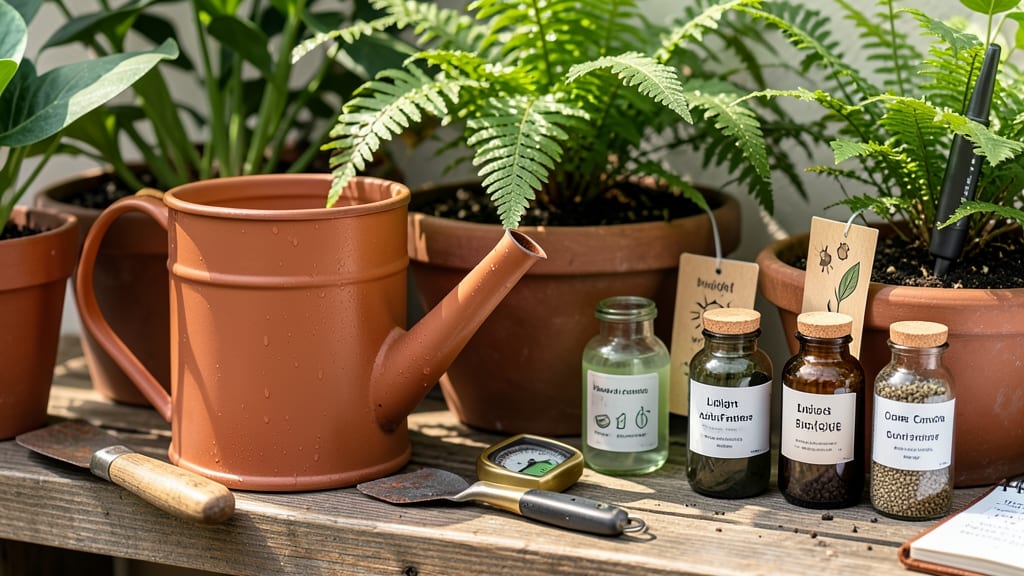
How to know what plants need—they’re always talking, you just have to listen. 🌱 The right care starts with three simple clues: sunlight exposure, soil texture, and those tiny details on the plant tag you always ignore. I’ve spent years misreading these signals, and now I’m sharing how to decode them like a pro.
Most people guess at sunlight needs—too much shade, and your basil wilts; too much sun, and your ferns crisp. Instead of eyeballing it, check the tag for terms like "full sun" (6+ hours) or "partial shade" (3-6 hours).
Soil’s the next puzzle: sandy soil drains fast, clay holds moisture forever, and most plants want something in between. Stick your finger in—if it’s dry at 1 inch, water; if soggy, hold off.
Watch for signs: yellow leaves mean overwatering or nutrient deficiency, while crispy edges scream "too much sun." Adjust gradually—move plants step by step, not all at once. A 30-minute observation daily reveals more than any guidebook. By summer’s end, you’ll spot problems before they start.
Seasonal shifts throw everything off—spring’s gentle rains give way to summer’s scorching heat. Your care routine needs to adapt: deep watering in July, mulch in September, and cozy winter wraps for tender plants. The key? Pay attention to what works this year, not last year’s rules.
📚 In This Guide
- What you need
- Instructions
- Tips and common mistakes
- Wrapping up and next steps
What you need
- ● Soil testing kit – A basic pH test kit (digital or liquid) to measure soil acidity/alkalinity (pH 6.0–7.0 is ideal for most plants).
- ● Trowel or small shovel – For digging soil samples (6–8 inches deep).
- ● Measuring tape or ruler – To track plant height, spacing, or sunlight exposure.
- ● Notebook or plant journal – To log observations (e.g., leaf color, growth rate, watering schedule).
- ● Watering can with a rose attachment – For precise, gentle watering (avoid overhead spraying for foliage plants).
- ○ Sunlight meter (optional but helpful) – A lux meter or light meter app to measure light intensity (6,000–8,000 lux for most plants).
- ● Pruning shears – For inspecting leaves/stems (sterilize with rubbing alcohol!).
- ● Moisture meter – Digital probes to check soil moisture levels (0–100% scale).
- ● Grow lights – LED or fluorescent bulbs (5,000–6,500K for full-spectrum light).
- ● Compost or fertilizer – Organic options like worm castings or balanced NPK (10-10-10) for adjustments.
- ● Plant identification guidebook or app – Like PictureThis or PlantNet for troubleshooting.
- ● Gloves – To protect hands from soil, thorns, or sap.
How to decode plant needs: mastering the basics of soil, sun, and growth signals
Plants don't come with instruction manuals, but they do send clear signals—you just need to learn their language.
🌱 Step 1: Observe Leaf Color for Light Needs
Start by checking your plant's leaves—they're the first to show what's missing. If leaves are pale yellow or white with dark green veins, your plant needs more light. This classic "iron deficiency" look actually signals weak light, not nutrient problems. Move it closer to a bright window or add a grow light for 12-14 hours daily.
On the flip side, crispy brown edges or bleached patches mean too much direct sun. Most houseplants prefer indirect light—think filtered sunlight through sheer curtains. Rotate the pot weekly so all sides get even exposure. You'll know you've got it right when leaves stay a vibrant, even green without yellowing or browning.
💧 Step 2: Check Soil Moisture with the Finger Test
Stick your finger 1 inch into the soil—this is where roots actively absorb water. If it feels dry, it's time to water. If it's still damp, wait 1-2 more days. Overwatering is the #1 killer of houseplants, and most people drown their plants by assuming "more is better."
Here's the trick: Use your potting mix as a guide. Organic mixes (like those with coconut coir or peat) stay moist longer than sandy mixes. If you're unsure, weigh the pot—lift it before and after watering. A heavy pot means it's hydrated; a light pot needs water. This method eliminates guesswork completely.
☀️ Step 3: Match Plant Types to Sun Exposure Zones
Not all plants thrive in the same spot. Group your plants by their light needs: low-light (snake plants, ZZ plants), medium-light (pothos, peace lilies), and high-light (succulents, citrus trees). Move high-light plants to south-facing windows or under grow lights, while low-light plants can handle north-facing spots or 6 feet from a window.
Watch for growth patterns—if a plant stretches toward the light (called "etiolation"), it's begging for more brightness. If leaves cup downward or develop brown spots, it's getting too much heat from the sun. Adjust by moving the plant 6-12 inches closer or farther from the window and observe for 7-10 days to see if the stress signs fade.
🌿 Step 4: Decode Growth Speed and Root Signals
Healthy plants grow at a steady pace—new leaves should appear every 2-4 weeks, depending on the species. If growth slows dramatically, check for root-bound conditions (roots circling the pot) or nutrient deficiencies (yellowing lower leaves). Gently remove the plant from its pot and inspect the roots: white, firm roots mean it's happy; black, mushy roots mean it's rotting.
If roots are tightly packed, it's time to repot into a container 1-2 inches larger. Use the potting mix you already have—no need for fancy additives unless your plant specifically needs them (like cacti needing gritty soil). After repotting, water lightly and place the plant in medium light for 1 week to reduce shock.
⏰ Step 5: Adjust Care Based on Seasonal Changes
Plants slow down in winter because of shorter daylight and cooler temperatures. Reduce watering by half and fertilize only every 6-8 weeks instead of monthly. In summer, increase watering if your home stays above 75°F, but never let soil stay soggy—drainage holes are your best friend here.
Pay attention to budding or flowering cues—if a plant stops blooming, it might need more sunlight or a balanced fertilizer (like a 10-10-10 mix). Prune spent flowers to encourage new growth, but avoid heavy pruning in winter when plants are dormant. The key is observation: Plants adjust their needs with the seasons, and so should your care routine.
Tips & tricks for understanding plant care signals
Deciphering what your plants need doesn't have to be a guessing game—these insights will help you become a plant whisperer. Here's what I've learned from years of trial and error with my green friends.
Light Signals: When checking for light needs in Step 1, look beyond just the color—examine the entire leaf structure. For example, if you notice leaves developing a reddish tint along the veins (common in plants like calatheas), this often signals low light combined with cold drafts. Move the plant to a warmer, brighter spot and watch for improvement within 2-3 weeks. Remember, the 12-14 hours of light recommendation applies to the plant's natural daylight cycle, not artificial light—so position it where it gets consistent exposure during daylight hours.
Soil Secrets: That finger test in Step 2 works wonders, but here's the thing: different plants have different soil preferences. Succulents and cacti, for instance, will feel dry when the top inch is still slightly moist—this is normal! For these plants, wait until the soil feels completely dry all the way through before watering. If you're using a potting mix with added perlite or sand, it will dry out faster than organic mixes, so adjust your watering schedule accordingly. The pot-weighing trick is especially helpful for larger plants where sticking your finger in might disturb the soil structure.
Seasonal Adjustments: The 75°F temperature guideline in Step 5 is a good starting point, but don't forget that humidity plays a huge role in plant care. In winter, when indoor air gets dry from heating systems, you might need to increase watering slightly (even if the soil test says it's dry) to compensate. For tropical plants, consider grouping them together to create a microclimate with higher humidity. And here's a pro move: place a tray of pebbles with water under plant pots to increase humidity around the leaves without overwatering the soil.
Growth Patterns: When monitoring growth speed in Step 4, pay attention to the leaf edges as well as new growth. If you notice purple or red streaks on the undersides of leaves, this often indicates phosphorus deficiency—a sign the plant needs more fertilizer. In this case, use a balanced fertilizer (10-10-10) as mentioned in Step 5, but dilute it to half strength to avoid burning the roots. The 2-4 week growth cycle is a great benchmark, but remember that some plants naturally grow slower in winter months, so don't panic if your plant takes longer to produce new leaves during colder seasons.
Pro Tips for Know What Plants Need
- Deciphering what your plants need doesn't have to be a guessing game—these insights will help you become a plant whisperer.
- Light Signals: When checking for light needs in Step 1, look beyond just the color—examine the entire leaf structure.
- Soil Secrets: That finger test in Step 2 works wonders, but here's the thing: different plants have different soil preferences.
Frequently asked questions
Got questions about keeping your plants thriving? You’re not alone—even green thumbs need a little guidance now and then! Here are answers to the most common queries about understanding your plants’ needs.
How do I tell if my plant needs more sunlight or water?
Check the leaves first! Yellowing or drooping leaves usually mean overwatering, while crispy edges or slow growth signal underwatering. For sunlight, look for stretched stems (needs more light) or burnt patches (too much sun). Move your plant gradually to avoid shock!
What’s the best way to test soil moisture without sticking my finger in it?
Use a moisture meter (cheap and accurate) or the knuckle test: Gently press your knuckles into the soil. If it springs back, water soon; if it stays dented, it’s dry. For pots, lift them—lightweight = thirsty!
How often should I fertilize my plants, and when is the worst time?
Most plants need fertilizer every 4–6 weeks in spring/summer, but never in winter (they’re dormant!). Over-fertilizing causes leaf burn or salt buildup. Always dilute liquid fertilizers—half-strength is gentler for new plants.
Can I use companion plants to help fix my soil or watering mistakes?
Pair nitrogen-fixers like clover or beans with heavy feeders (tomatoes, peppers) to boost soil. For watering, plant drought-tolerant companions (e.g., lavender with rosemary) to reduce stress. Just avoid mixing competitive root systems (e.g., mint with veggies).
My plant’s leaves are curling—what’s wrong, and how do I fix it?
Curling often means stress from pests, humidity, or nutrient issues. First, check undersides of leaves for mites/spider webs. Adjust humidity (mist or pebbles + water) and flush soil with water to rule out salt buildup. If no pests, it might need more calcium (try eggshell tea!).
Wrapping up and next steps
Understanding your plants’ needs is like learning a new language—once you decode the soil, sunlight, and subtle signs, you’ll build a thriving green friendship! 🌱 From testing pH levels to observing leaf colors, every clue helps you tailor care like a pro. Don’t stress over perfection—just start small, stay curious, and trust your observations.
Ready to level up? Pick one plant to experiment with this week—monitor its reactions, adjust care, and celebrate every tiny win. Your garden (and future green thumbs) will thank you!