
How To
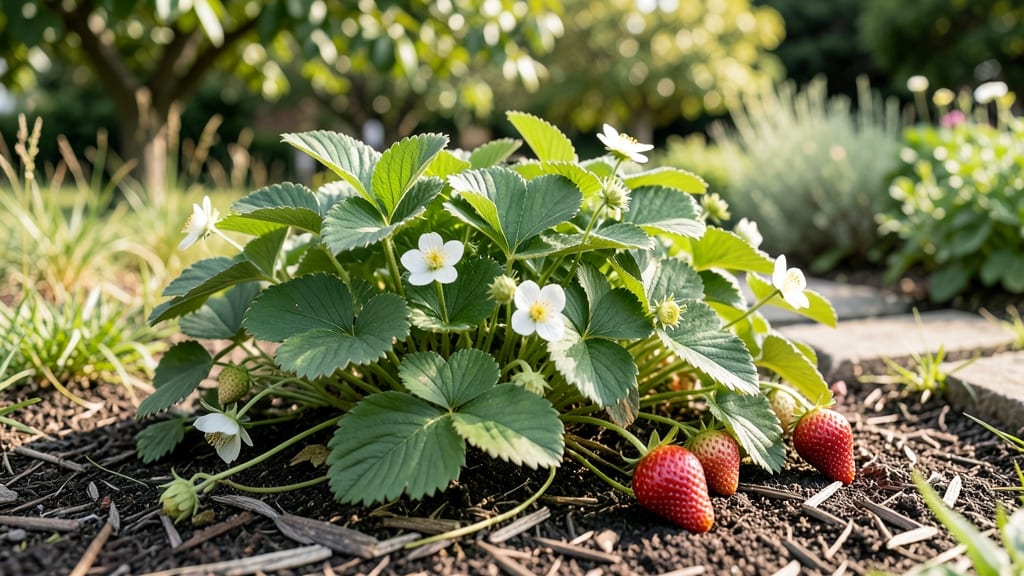
5 Sensory signs your strawberry is perfectly ripe
Mastering the art of strawberry ripeness starts with your senses—visual cues, texture, and even aroma all play a role. Unlike some fruits that ripen off the vine, strawberries must be picked at peak ripeness for the best flavor.
Overripe berries turn mushy, while underripe ones stay tart and firm. Let’s break down the five key sensory checks to ensure you’re harvesting strawberries at their sweetest.
First, focus on color consistency. A perfectly ripe strawberry will have a uniform deep hue—whether that’s classic red, golden yellow, or the pale pink of Alpine varieties. Look for no green or white patches on the surface, as these indicate underripe fruit.
Even a small green spot means the berry needs more time. If your strawberries are fully colored but still pale, they might need a few extra sunny days to reach full sweetness.
📌 PRO TIP: Some varieties, like Alpine strawberries, stay small but turn a bright red when ripe. Don’t judge ripeness by size alone—focus on color intensity instead.
- 🔴 Uniform deep color (no green/white patches)
- 🤏 Firm yet slightly yielding when gently squeezed
- 🌡️ Stem snaps cleanly when pulled (not forced)
- 👃 Sweet, fragrant aroma when gently crushed
- 📏 Fills hand comfortably (not shriveled or tiny)
Next, test the texture with a gentle squeeze. A ripe strawberry should feel firm but slightly soft—like pressing your thumb against a ripe peach. If it’s rock-hard, it’s underripe. If it dents easily or feels mushy, it’s overripe.
Pro tip: Press near the calyx (the green leafy top) to avoid bruising the berry. The skin should also resist gentle pressure without leaving an imprint.
Don’t overlook the stem test, a foolproof trick for ripeness. Gently grasp the strawberry by its stem and give it a light tug. If the stem snaps off cleanly at the base, it’s ready to pick.
If it resists or pulls away with the fruit, it’s not ripe yet. This method ensures you’re only harvesting berries at their peak, avoiding the disappointment of underripe or overripe fruit.
The aroma is often the most telling sign of ripeness. A ripe strawberry releases a sweet, tangy fragrance when you gently crush it between your fingers. If it smells mild or bland, it’s not ready.
Overripe strawberries may have a fermented or sour scent—skip these for the best flavor. This sensory check is especially useful for everbearing varieties, which produce fruit in multiple flushes throughout the season.
Finally, consider the size and shape. While strawberries vary by variety, a ripe berry should feel proportionate in your hand—not shriveled or undersized. Tiny strawberries might be ripe but often lack sweetness.
Compare berries on the same plant: if most are deeply colored and plump, the smaller ones may just need more time. Harvesting consistently ensures your plants keep producing, so don’t wait too long once berries start coloring.
Now that you’ve mastered the sensory checks, you’re ready to harvest strawberries at their peak. Remember, morning is the best time to pick—berries are cooler and firmer, reducing bruising.
Store them in the fridge for up to 3 days if they’re not ripe enough to eat immediately, but enjoy them fresh when possible for the best flavor and texture.
5 Sensory signs your strawberry is perfectly ripe
Strawberries ripen faster than you might think—sometimes in just 24 hours—so knowing the exact moment to pick ensures peak flavor. The key lies in your senses: sight, touch, and even smell.
Overripe berries lose their sweetness and develop a mealy texture, while underripe ones lack the vibrant taste we all love.
First, check the color—fully ripe strawberries should be uniformly deep red (or the variety’s mature hue, like gold for some alpine types). Any lingering green or white means they’re not ready yet. This visual cue is your first line of defense against picking too early or too late.
- 🔴 Color: Fully deep red (no green/white patches)
- 🤏 Texture: Firm but slightly soft when gently squeezed
- 👃 Aroma: Sweet, fruity scent when crushed
- 🌱 Stem: Pulls off cleanly at base (no resistance)
- 📏 Size: Fully plump for the variety (not shriveled)
Next, give the strawberry a gentle squeeze. A ripe berry should yield slightly to pressure but not feel mushy. Think of it like pressing your thumb into a ripe peach—just enough give to know it’s ready, but still holding its shape.
If it leaves an indent, it’s overripe and past its prime.
Don’t underestimate your nose! A ripe strawberry releases a sweet, tangy aroma when you crush a tiny bit between your fingers. If it smells mild or sour, it’s not ready. This scent test is especially useful for everbearing varieties, which produce smaller fruit but ripen in waves.
Finally, check the stem. A ripe strawberry’s stem should pluck off cleanly at the base with a slight twist. If it resists or tears, the berry isn’t fully mature.
This trick also helps you avoid damaging the plant—always pick from the top of the plant first to encourage more fruit below.
Pro tip: Harvest in the morning when berries are coolest and most flavorful. Store them in the fridge for up to 3 days (though they’re best eaten fresh!).
If you’re saving seeds, let a few berries overripe on the plant—they’ll turn dark and wrinkled, signaling it’s time to collect seeds for next year’s patch.