
How To
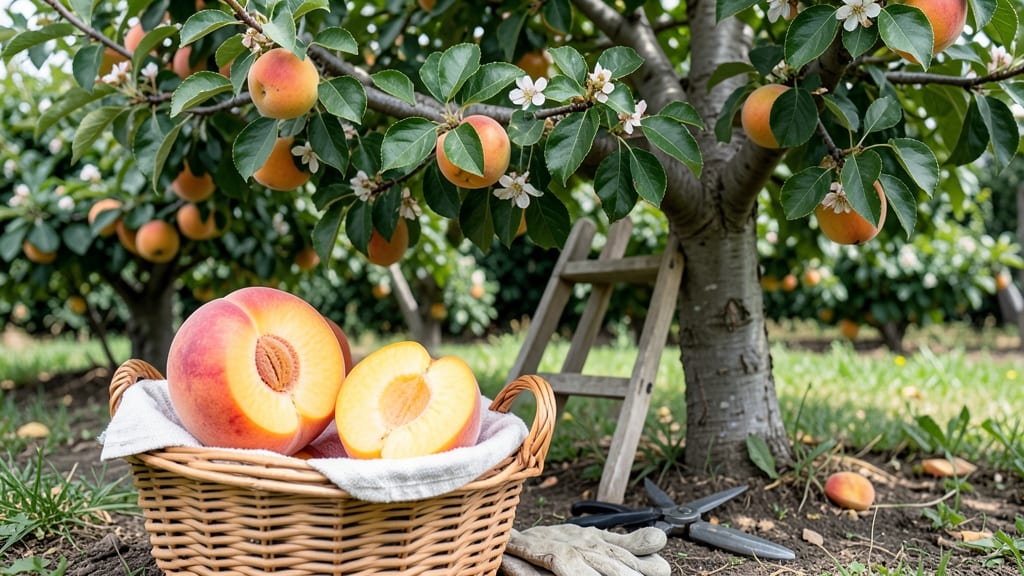
3 Visual signs of ripe apricots (color, stem, and skin texture)
When your apricot tree is heavy with fruit, it’s tempting to grab and snack—but timing is everything. Ripe apricots should be harvested at peak sweetness, not before they’re ready. The first clues come from visual cues that reveal nature’s perfect schedule.
Start with the color transformation. Unripe apricots are bright green, but as they ripen, they shift to golden-yellow or reddish-orange hues. Some varieties even develop a blush effect on sun-exposed sides. This color change isn’t just about looks—it’s a sign the sugars are converting from starches.
Next, check the stem attachment. A ripe apricot should separate cleanly from the tree with a gentle twist—no force needed. If the fruit resists, it’s not ready yet. This stem separation is your green light to proceed to the touch test.
Finally, examine the skin texture. Ripe apricots develop a slightly velvety feel, almost like a soft blanket. Avoid fruits with wrinkled skin or dry patches, as these signal overripeness. The skin should also feel slightly yielding when pressed gently with your thumb.
Pro tip: Look for translucent areas near the stem where the seed becomes visible. This is a foolproof sign the fruit is ready to eat. If you spot these seed windows, act fast—these apricots won’t last long on the tree!
Remember, color varies by variety. Some apricots stay greenish-yellow when ripe, while others turn deep red. When in doubt, combine visual cues with the scent and touch tests we’ll cover next.
🍑
The scent and touch test: why smell and firmness matter more than you think
Ripe apricots don’t just look perfect—they smell like summer. A truly ripe apricot releases a sweet, floral aroma when gently squeezed near the stem. If you catch a whiff of that honeyed fragrance, you’re in luck!
This scent peaks just before the fruit reaches its sweetest flavor, making it your best clue when visual cues are borderline.
But beware: a lack of scent or a fermented smell means the fruit has overripe or even spoiled. Overripe apricots often develop a musky or sour odor, signaling it’s past its prime and best enjoyed immediately rather than stored. Trust your nose—it’s more reliable than you think!
🌱 Pro Tip: Hold the apricot close to your nose and take a deep sniff. If it smells like a mix of peaches and vanilla, it’s ready to pick. If it smells stale or sharp, leave it on the tree.
Next, give the apricot a gentle squeeze—not a firm grip, just enough pressure to feel its yielding texture. A ripe apricot should give slightly under pressure, like a soft but firm peach.
If it feels rock-hard, it’s underripe. If it’s mushy or squishy, it’s overripe and prone to bruising.
For the ultimate test, check the stem separation. A ripe apricot will detach cleanly from the tree with just a slight twist. If the stem resists or snaps, the fruit isn’t ready yet. This trick works best in the morning, when the fruit is cool and firmest.
Finally, peek at the seed visibility through the translucent skin. If you can see the seed clearly without cutting the fruit, it’s a sign of peak ripeness. This is especially true for varieties like ‘Blush’ or ‘Moongold’, where the skin thins naturally as the fruit matures.
Remember, apricots ripen quickly once picked, so don’t wait too long to enjoy them. If you’re unsure, pick a few at different stages and taste-test them over 24 hours—your palate will thank you! 🍑