
How To
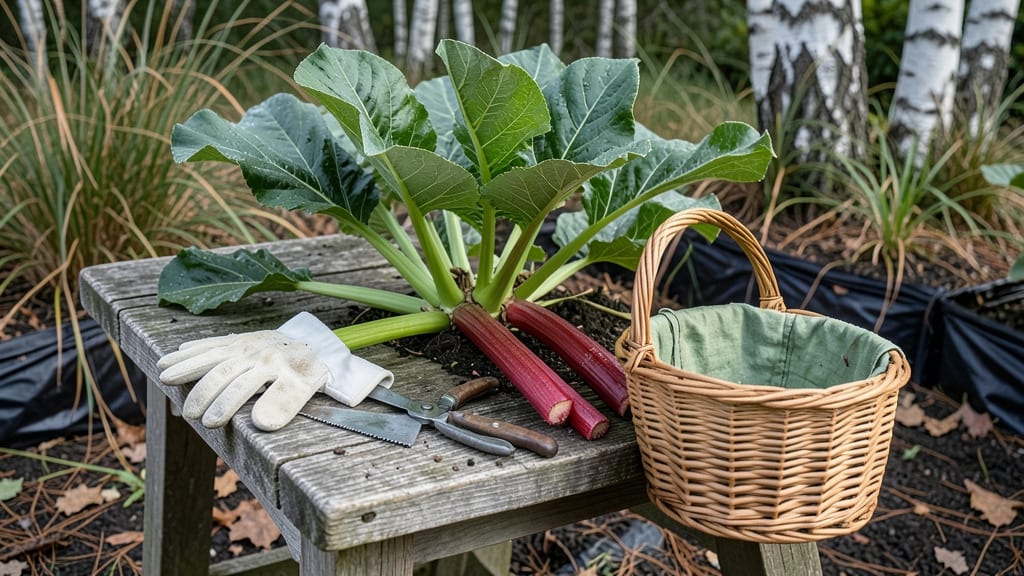
Knowing how to know when to pick rhubarb can turn a good harvest into a great one—or leave you with bland, stringy stalks. The difference often comes down to subtle cues most gardeners miss, like the right color and firmness that signal peak ripeness. In Zone 6, where I grow my 🍃 rhubarb, timing matters most between April and June, but climate tweaks can shift that window.
Picture this: you’re reaching for a stalk that’s deep pink (or a rich green/white for certain varieties), firm to the touch, and about 1-2 inches thick. That’s the sweet spot for flavor and texture—but wait too long, and the stalks turn woody.
I’ve learned the hard way that patience pays off when harvesting rhubarb, and these visual and tactile checks make all the difference.
Beyond color and size, the time of day and season play a role too. Morning harvests yield the crispest stalks, while late spring often delivers the best flavor. But here’s the kicker: over-harvesting young plants can stunt future growth.
I’ll show you how to balance picking with plant health, so you’re never left with a patch of sad, underperforming rhubarb.
Ready to master the art of rhubarb harvesting? Let’s break down the 3 key checks—color, texture, and timing—that’ll have you picking perfect stalks every season. Plus, I’ll share my go-to post-harvest care tips to keep your rhubarb tasting fresh long after the harvest.
3 Color indicators that rhubarb is ready for harvest
Rhubarb’s color transformation is your first clue that it’s harvest time. Young stalks start pale green, but as they mature, they develop vibrant hues that signal peak flavor. Pay attention to these 3 key color shifts—they’re your ticket to tangy, crisp perfection.
The deep pink or red color in classic varieties like ‘Victoria’ or ‘Strawberry’ is a dead giveaway. This rich hue appears when stalks reach maturity, typically around 10-12 inches long.
The deeper the color, the sweeter and more flavorful the stalk—think of it as nature’s way of saying, “Pick me now!”
For green or white varieties like ‘Green Stem’ or ‘White Stem’, maturity shows up as a uniform, bright color without green streaks. Uneven coloring means the stalk is still developing. Pro tip: Green-stemmed rhubarb often tastes milder than red varieties, but it’s still delicious when fully colored.
Don’t overlook the leaf color—healthy rhubarb leaves are a deep, glossy green. If they’re yellowing or wilting, it’s a sign of stress or over-maturity. Harvest when leaves are fully unfurled but still perky, not drooping. This ensures the stalk is at its peak texture and flavor.
Here’s a quick trick: Hold a stalk up to sunlight and look for a consistent color along its entire length. If you see patches of pale green near the base, wait a few days. The goal is a uniform, vibrant stalk from tip to root.
🌱 Why color matters: The deeper the pigment, the higher the anthocyanin content, which boosts flavor and antioxidant levels. Skimp on color, and you’ll miss out on that signature tangy crunch.
🔍 3 Color Clues to Harvest Rhubarb
- 🟠 Deep pink/red (classic varieties): Uniform color from base to tip
- 🟢 Bright green/white (varietal types): No pale streaks, fully saturated
- 🌿 Dark green leaves: Glossy, no yellowing or browning edges
⚠️ Avoid: Pale stalks, uneven coloring, or leaves with brown spots
Now, let’s talk stalk thickness. A mature rhubarb stalk should measure 1-2 inches in diameter at its thickest point. Thin stalks (under ½ inch) are still growing and lack that signature snap. Use a ruler or your thumb—if it’s skinnier than your index finger, it’s not ready yet.
But thickness alone isn’t enough. Run your fingers along the stalk’s length—it should feel firm but slightly yielding, like a ripe cucumber. If it’s woody or hollow-sounding when tapped, it’s past its prime. Over-mature rhubarb loses its crispness and develops a bland, fibrous texture that’s a shame to waste.
Here’s a pro move: Gently bend the stalk near the base. If it snaps cleanly with a slight give, it’s perfect for picking. If it bends without breaking or feels rubbery, it’s not there yet. This test combines texture and structural integrity for foolproof results.
💡 Texture troubleshooting: If stalks feel too soft, they might be overwatered or stressed. Check your soil—rhubarb prefers well-draining conditions. If they’re too woody, you’ve waited too long. Aim for that just-right balance between firmness and flexibility.
One final color-texture combo to watch: the base of the stalk. It should be a slightly lighter shade than the main body but still vibrant. If it’s pale or shriveled, the stalk is overripe.
Always harvest from the outer stalks first, leaving the center to mature—this keeps your rhubarb plant productive for years.
🌿 Seasonal timing tip: Early-season stalks may look mature but lack flavor. Wait until late spring to early summer (after your last frost) for the best color and texture combo. In warmer climates, you might get a second harvest in fall, but stalks tend to be milder then.
3 Color indicators that rhubarb is ready for harvest
Rhubarb stalks start their life pale and bland, but as they mature, their color deepens dramatically. This shift isn’t just about aesthetics—it’s your clearest sign that the tartness and texture are peaking.
Ignore these visual cues, and you might harvest stalks that taste like watered-down celery instead of the crisp, tangy treat you crave.
The first color milestone to watch is the base of the stalk. When it turns from pale green to deep pink or red, that’s your green light to check further up.
This color change signals the plant has shifted its energy from growth to flavor development, which happens as the stalks mature. For green-stalked varieties like 'Green Stem,' look for a vibrant, even green hue instead.
Next, examine the tips of the stalks. Ready-to-harvest rhubarb will show a rich, uniform color from base to tip—no more pale patches. If you spot uneven coloring, the stalk likely needs more time.
Pro tip: Morning sunlight enhances these colors, so harvest on clear days when the stalks are fully hydrated and their hues are most vibrant.
Don’t overlook the leaves—they’re another color clue! Mature rhubarb leaves should be deep green and fully unfurled, not curled or yellowing. If leaves are small or wilted, the stalks likely need more time to develop.
Remember, young plants (first-year rhubarb) produce smaller stalks, so their color cues will be subtler.
One common mistake is harvesting green-stalked varieties too late. While red-stalked rhubarb can develop a slightly woody texture if left too long, green varieties like 'Green Stem' stay crisp longer.
Test for readiness by gently squeezing the stalk—if it feels firm but yields slightly, it’s prime. Overripe rhubarb becomes soft and hollow, losing its signature snap.
For climate-specific tips, cooler regions may see slower color development. If your rhubarb isn’t changing color by late spring, check for adequate sunlight (4-6 hours daily) or consider a light fertilizer boost to encourage maturity.
And always harvest outer stalks first—this protects the plant’s center and ensures consistent color cues for future harvests.
Pro move: Take photos of your rhubarb’s color progression to track maturity. Over time, you’ll recognize the exact shade that signals peak flavor in your specific climate.
Now that you’ve mastered the color game, let’s talk texture and size in the next section—because even the prettiest rhubarb won’t impress if it’s mushy or stringy!