
How To
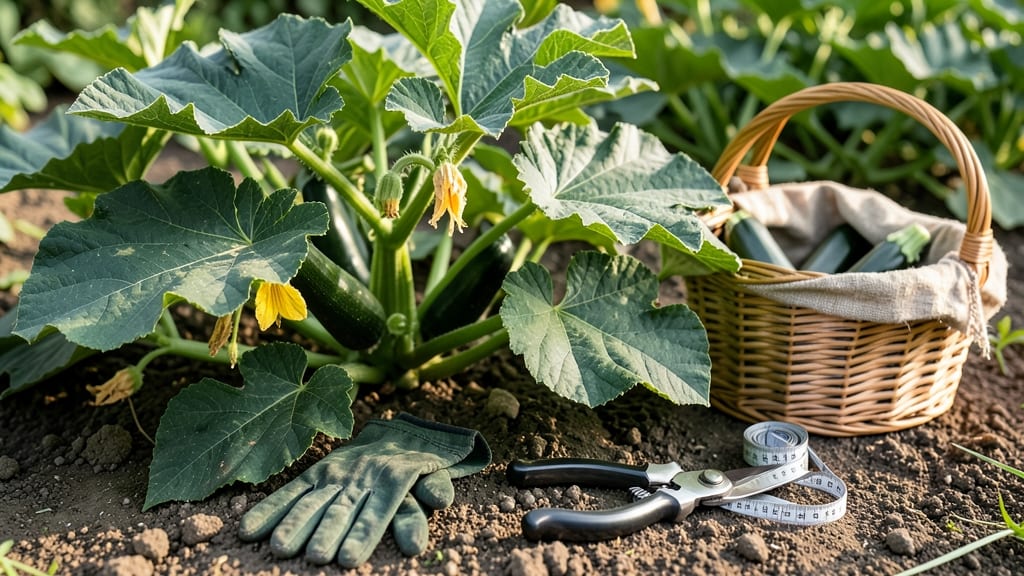
How to know when a zucchini is ready to pick can turn a garden full of potential into a kitchen full of flavor—or leave you with oversized, seedy disappointments. The difference often comes down to simple visual and tactile cues that most gardeners miss until it's too late.
I’ve learned the hard way that waiting too long means tough, bitter zucchini, while harvesting too early wastes your plant’s hard work. The key is checking for three specific signs: size, skin firmness, and seed development.
These tactile tests take just seconds but make all the difference in taste and texture.
Whether you’re growing round patty-pan varieties or long, classic zucchini, the same principles apply. I’ll walk you through how to spot the perfect moment—plus how often to check your plants to keep them producing all season. No more guesswork, just delicious harvests.
Ready to go from uncertain gardener to confident harvester? Let’s break down the exact steps so you never miss the ideal time to pick again.
3 Tactile tests to determine zucchini ripeness before harvesting
Zucchini plants grow fast, and knowing exactly when to harvest can transform your garden’s bounty. The key lies in three simple tactile tests that reveal whether your zucchini is ready to pick or still needs time.
These methods—size check, skin firmness, and stem color—are foolproof ways to avoid overripe, seedy fruit. I’ve used these tricks for years to keep my harvests tender and abundant.
First, let’s talk about size. Most zucchini varieties reach peak flavor when they’re between 6 to 8 inches long. If you’re growing a round variety like ‘Eight Ball’, aim for a diameter of about 3 to 4 inches.
Waiting longer risks bitter, fibrous flesh and oversized squash that crowd the plant, reducing future yields. Measure your zucchini regularly—this is your first clue!
Next, focus on the skin texture. A ripe zucchini’s skin should feel firm but slightly yielding when you press it gently with your thumbnail. If the skin doesn’t dent at all, it’s not ready yet.
On the flip side, if it feels mushy or the skin is tough and leathery, you’ve missed the window. This tactile check is your best friend for nailing the perfect harvest moment.
Here’s where things get even easier: the stem color. Look at the stem where the zucchini connects to the vine. When it’s green, your squash needs more time.
But when the stem turns yellowish or brownish, that’s your green light to harvest. This color shift signals the zucchini is at its sweetest and most tender.
- 📏 Size Check: 6–8 inches long (or 3–4 inches for round types).
- 🤏 Skin Test: Firm but yields slightly to thumbnail pressure.
- 🟡 Stem Test: Yellow/brown stem where it meets the vine.
Don’t overlook the seed development either. If you slice open a zucchini and see large, mature seeds, it’s past its prime. The seeds should still be small and tender when you harvest.
This is another subtle cue that many gardeners miss, but it makes a huge difference in taste and texture.
Variety matters too! Some zucchini types, like ‘Black Beauty’, mature faster than others, such as ‘Costata Romanesco’. Always check the seed packet or plant tag for specific days to maturity—this gives you a baseline to work with. But remember, tactile tests trump calendar dates every time.
Once you’ve mastered these tests, you’ll never second-guess your harvest again. The more consistently you pick at the right moment, the more your zucchini plants will produce.
It’s like giving them a signal: “Yes, I’ll take this one—keep growing more!” This encourages your plants to focus energy on new fruit instead of over-maturing the ones already there.
If you’re still unsure, grab a zucchini and try the tests yourself. The first few times might feel awkward, but soon it’ll become second nature. And trust me, your future meals will thank you for the extra effort.
There’s nothing like the satisfaction of biting into a zucchini you knew was perfectly ripe.
Now that you’ve got the tactile tests down, let’s talk about what happens when you miss the mark. Waiting too long or picking too early can ruin your crop—and I’ll cover those common mistakes next to help you avoid them entirely.
3 Tactile tests to determine zucchini ripeness before harvesting
Zucchini plants produce fruit at an astonishing rate—sometimes new squash every 3-5 days—so knowing exactly when to pick is crucial. The key lies in three simple tactile tests that reveal ripeness through touch, size, and visual cues.
These methods work for both round and long varieties, ensuring you harvest at peak flavor and texture.
First, check the stem end color. A ripe zucchini will have a yellowing or brownish stem end, while unripe ones remain bright green. This color change signals the fruit is ready to be picked for the best balance of tenderness and flavor.
Pro tip: Ignore the stem color if your zucchini is a dark green variety—focus instead on the other two tests.
🌱
Pay attention to the skin texture, too. Ripe zucchini should feel smooth and slightly waxy, not rough or bumpy. Rough skin often indicates the fruit is past its prime. For dark green varieties, focus on the matte finish—glossy skin usually means it’s still firm and unripe.
Harvesting at the right moment isn’t just about flavor—it’s about encouraging more production. When you pick zucchini too late, the plant diverts energy to seed development instead of producing new fruit. Aim to harvest every 2-3 days during peak season to keep your plants happy and your kitchen stocked.
🌿