
How To
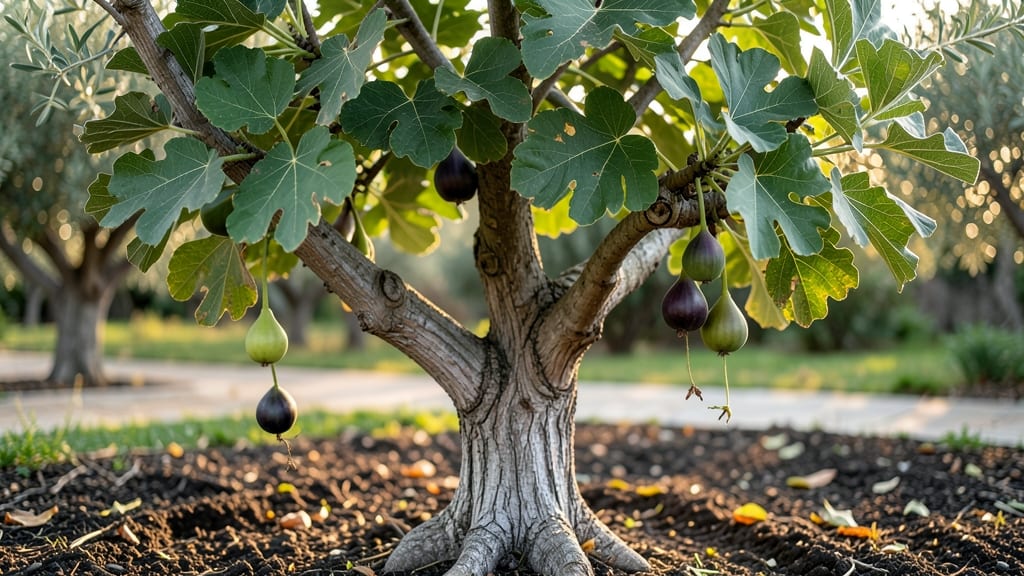
Knowing how to know when figs are ready to pick can turn your harvest from a gamble into a sweet, jammy victory—so let’s cut through the guesswork.
The difference between a perfect, flavorful fig and one that’s bland or overripe often comes down to subtle cues you might be missing, like color shifts or how they feel when you touch them.
Figs like the 🍈 variety you’re growing thrive in USDA Zone 6a, where timing your harvest between July and October makes all the difference.
Whether you’re a seasoned gardener or just starting with your spring-planted tree, mastering these 5 key signs will help you avoid the frustration of picking too early or too late.
From the way the skin deepens in color to the gentle give when you press, there are telltale clues that reveal peak ripeness. I’ll walk you through each one, so you can confidently pluck your figs at their sweetest—no more second-guessing, just delicious results.
Ready to transform your harvest? Let’s dive into the visual and tactile tricks that’ll have you picking figs like a pro, every time.
5 Visual cues to identify ripe figs (with color charts)
Figs ripen in stages, and their color transformation is the most obvious sign they’re ready. Unlike many fruits, figs don’t ripen off the tree, so timing matters. The primary color change depends on the variety—some turn deep purple, others brown or even stay green but darken.
Pay attention to these visual ripeness indicators to avoid missing the sweet spot.
Start by examining the skin texture. Ripe figs develop a slight sheen or waxy feel, especially in warm climates. This glossy appearance signals the fruit’s sugars have fully developed.
For green fig varieties, look for a deep, uniform green without yellowing. Meanwhile, purple or brown figs should darken evenly across their surface.
Size also plays a role—most ripe figs reach 1.5 to 3 inches in diameter, though dwarf varieties stay smaller. Compare your figs to the average size chart below to gauge readiness. Overripe figs may swell beyond this range, becoming mushy or splitting open.
Another key visual cue is the stem separation. As figs ripen, the stem where the fruit meets the branch begins to loosen. Gently wiggle the fig—if it detaches easily with a slight twist, it’s ready.
This is especially true for late-season figs, which often drop naturally when fully ripe.
Finally, check the leaves surrounding the fig. Yellowing or drooping leaves can signal the fruit is nearing peak ripeness. This is common in hot, dry climates where stress triggers simultaneous leaf and fruit maturation.
| Fig Variety | Ripe Color (Primary) | Secondary Visual Clues | Average Size (Diameter) | Skin Texture | Best Time to Pick |
|---|---|---|---|---|---|
| Brown Turkey | Deep purple-brown | Glossy sheen, stem loosens | 2–3 inches | Slightly waxy | Late summer |
| Celeste | Green (darkens) | Stem detaches easily | 1.5–2.5 inches | Smooth, firm | Early fall |
| Chicago Hardy | Green (deep) | Leaves yellow nearby | 2–3 inches | Thick, slightly rough | Late summer |
| Black Mission | Dark purple-black | Soft when squeezed | 2.5–4 inches | Velvety texture | Mid-to-late summer |
| Desert King | Green (lightens) | Stem dries slightly | 1–2 inches | Smooth, firm | Early summer |
Sunlight exposure can alter ripening speed. Figs grown in full sun (6+ hours daily) ripen faster than those in partial shade. If your tree is in a shady spot, color changes may take longer, and figs might stay firmer.
Always check multiple visual cues together—color, size, and texture—to confirm ripeness.
For container-grown figs, ripening can also be delayed due to root stress. Ensure your potted tree has well-draining soil and is watered consistently. Overwatering or drought can cause uneven ripening, making it harder to spot the perfect fig.
Pro tip: Use a small notebook to track fig ripening on your tree. Note the date when colors first change and monitor progress daily. This helps you predict future harvests and adjust your schedule for peak fig season.
The tactile test: how to check fig ripeness by touch (with common mistakes to avoid)
Figs don’t just look ripe—they feel it too. The gentle squeeze test is your secret weapon for nailing the perfect harvest. Press your thumb and forefinger lightly against the fig’s skin: a ripe fig should yield slightly, like a soft tennis ball, while still holding its shape.
If it feels rock-hard, it’s too soon; if it squishes like overripe jelly, you’ve waited too long.
Pay attention to the stem separation—this is your golden rule. A ripe fig will detach easily from the branch when you gently twist it, leaving a small stem cap behind.
If the fig resists, it’s not ready yet. Never pull hard, or you risk damaging the tree and the fruit.
Weight matters too! A ripe fig feels heavy for its size because it’s packed with juicy flesh and seeds. Hold one in each hand: the ripe fig will feel noticeably denser. This is especially useful for green-skinned varieties, where color changes can be subtle.
- Picking too early: Hard, green figs taste bland and seedy—wait for softness!
- Ignoring stem separation: This is your #1 ripeness indicator—don’t skip it!
- Confusing overripe figs: Fermented smells or sticky residue mean it’s past prime.
- High humidity risks: Wet conditions speed up rot—check for mold before picking.
Humidity plays tricks on fig ripeness. In damp climates, figs may soften faster but risk mold. Always check for damp spots or fuzzy growth—these are red flags. Conversely, in dry heat, figs might stay firm longer, so combine the tactile test with visual cues for accuracy.
For container-grown figs, touch tests are even more critical since watering schedules can delay ripening. If your potted fig feels dry or the soil is bone-dry, give it a deep watering 24 hours before testing—hydrated fruit ripens more predictably.
Pro tip: Pick figs in the morning when temperatures are cooler. The fruit’s natural sugars are at their peak, and the skin is firmer, making it easier to judge ripeness accurately. Store harvested figs in the fridge to slow further ripening—this buys you time to enjoy them at peak flavor.