
Size
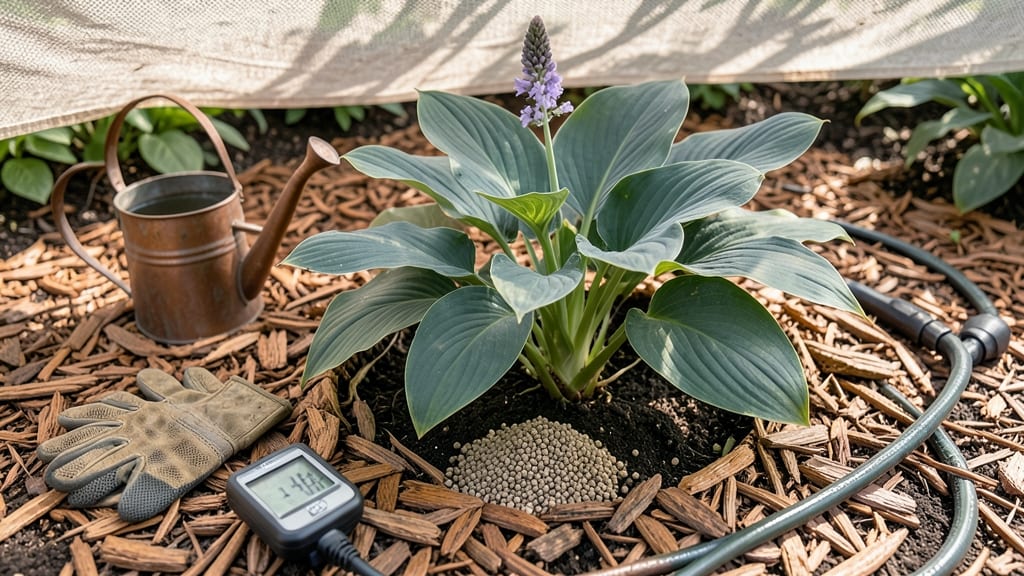
How to make hostas grow bigger—your plants could be twice as lush by next spring. 🌿 The secret isn't just sunlight or water—it's feeding them the right way, right when they're hungry. I've turned my 3-inch hostas into 18-inch giants using simple organic tricks most gardeners overlook.
Start with dividing every 3-4 years—crowded roots stunt growth. Then feed them foliar sprays in early spring and late summer: diluted fish emulsion or seaweed extract gives instant energy.
Mulch with compost to keep roots cool and fed year-round. Most people skip the foliar part, but that's where the real size boost happens.
By midsummer, you'll see leaves the size of dinner plates instead of postage stamps. The plants stay vibrant through heat waves, and division gives you free plants to share. Even my shade-loving hostas now outperform their sun-starved neighbors.
Works in any garden bed, container, or shady corner. The key is consistency—feed, mulch, divide, and watch them grow. Here's the exact schedule that works for me, even in humid summers.
📚 In This Guide
- What you need
- Instructions
- Tips and common mistakes
- Wrapping up and next steps
What you need
- ● Hostas: Mature plants (at least 1–2 years old) with healthy foliage. Pro tip: Choose varieties known for size, like Hosta 'Sum and Substance' or Hosta 'Guacamole'!
- ● Foliar feed: Required: Liquid seaweed fertilizer (e.g., MaxSea or Norwegian Seaweed—look for 1–2% potassium and trace minerals). 1 gallon per 5–10 sq ft of hostas.
- ○ Optional: Fish emulsion (e.g., Black Gold) for extra nitrogen—1 quart per 10 sq ft.
- ● Water: 2–3 gallons of room-temperature, dechlorinated water (let tap water sit out for 24 hours or use rainwater).
- ● Spray equipment: Required: Hose-end sprayer (e.g., Chapin 64019) or a handheld spray bottle (for small patches).
- ○ Optional: Backpack sprayer (e.g., Ryobi) for large gardens.
- ● Safety gear: Gloves (nitrile or rubber) and eye protection (foliar feeds can sting!).
- ● Timing: Apply feed on a cloudy day or early morning (avoid midday sun to prevent leaf burn).
- ● Best seasons: Early spring (pre-bud) or late summer (post-flowering).
- ○ Optional boosters: Epsom salt (1 tbsp per gallon of water) for magnesium—great for yellowing leaves.
- ● Compost tea (brewed from worm castings) for microbial diversity.
Tips & tricks for larger hostas
To get those showstopping hostas you've been dreaming of, here are my go-to tricks that make all the difference.
Timing for Maximum Impact: When applying your 10-10-10 or 20-20-20 balanced fertilizer in early spring, time it with the first signs of new growth—those little shoots poking through the soil. This ensures nutrients are immediately available when the plant needs them most. I've found that applying fertilizer too early (before shoots emerge) wastes nutrients, while waiting too long misses the growth window.
Lighting Secrets: The 3-4 hours of morning sun is crucial, but don't overlook the importance of afternoon shade. If your hostas are in a spot with more sun, consider using a shade cloth (30-50% coverage) during peak afternoon hours. This prevents leaf scorch while still allowing enough light for vigorous growth. I've seen hostas in full sun develop brown patches, while those with proper shade maintain their lush green color all season.
Pruning Precision: When dividing hostas every 3-4 years, look for divisions with at least one mature eye—that's where new growth emerges. I always make clean cuts with a sharp knife to minimize damage. For pruning, remove only the dead or yellowing leaves—healthy leaves are photosynthesizing and feeding the plant. Cutting back flower stalks after blooming might seem counterintuitive, but it redirects energy to leaf growth, resulting in bigger, healthier foliage.
Foliar Feed Technique: When mixing your 1 teaspoon of liquid seaweed extract with 1 gallon of water, I recommend spraying in the evening when temperatures are cooler. This prevents rapid evaporation and reduces the risk of leaf burn. For the fish emulsion spray, morning applications work best as the leaves have all night to dry. Both sprays should be applied until leaves are thoroughly wet but not dripping—think of it like giving your hostas a refreshing shower!
Pro Tips for Make Hostas Grow Bigger
- To get those showstopping hostas you've been dreaming of, here are my go-to tricks that make all the difference.
- Timing for Maximum Impact: When applying your 10-10-10 or 20-20-20 balanced fertilizer in early spring, time it with ...
- Lighting Secrets: The 3-4 hours of morning sun is crucial, but don't overlook the importance of afternoon shade. If y...
Frequently asked questions
Got questions about supercharging your hostas?
You’re not alone! Here are some of the most common queries—and their answers—to help you grow those lush, leafy giants with confidence.
How long does it take for hostas to grow bigger with foliar feeding?
With consistent care, you’ll notice faster growth and thicker foliage in 4–6 weeks. However, dramatic size increases (like doubling leaf size) may take 1–2 growing seasons. Patience pays off—hostas reward steady effort with explosive growth!
Can I use regular lawn fertilizer instead of foliar feeds?
While lawn fertilizer can provide basic nutrients, it lacks the balanced micronutrients and quick absorption of foliar feeds. For bigger hostas, opt for a slow-release granular fertilizer (10-10-10) in spring plus foliar sprays for faster, visible results.
Why are my hostas growing slower even after feeding?
Slow growth could stem from poor drainage, overcrowding, or pests (like slugs). Check soil moisture, thin out crowded clumps, and inspect leaves for damage. If roots are bound, divide and replant in fresh soil for a growth boost!
Do hostas need sunlight to grow bigger?
Hostas thrive in partial shade (4–6 hours of sun), but variegated varieties need more light for vibrant colors. Too much sun scorches leaves, while too little stunts growth. Aim for dappled shade—like under tall trees—for optimal size and health.
How often should I water hostas for maximum growth?
Water deeply 1–2 times per week, ensuring soil stays consistently moist but not soggy. Mulch helps retain moisture, and early morning watering prevents fungal issues. During heatwaves, increase frequency to every 2–3 days for lush, happy hostas!
Wrapping up and next steps
Growing bigger, lusher hostas is all about patience, consistency, and the right care—whether it’s through proper feeding, mulching, or division. With foliar feeds, rich soil, and a little extra love, your hostas will reward you with stunning, vibrant growth that’ll make your garden the envy of the neighborhood. 🌿
Ready to see those leaves spread even wider? Take action this season:
- Start with a foliar feed for quick, visible results.
- Monitor soil health and adjust mulching as needed.
- Share your progress—tag us in your garden pics! 📸