
Size
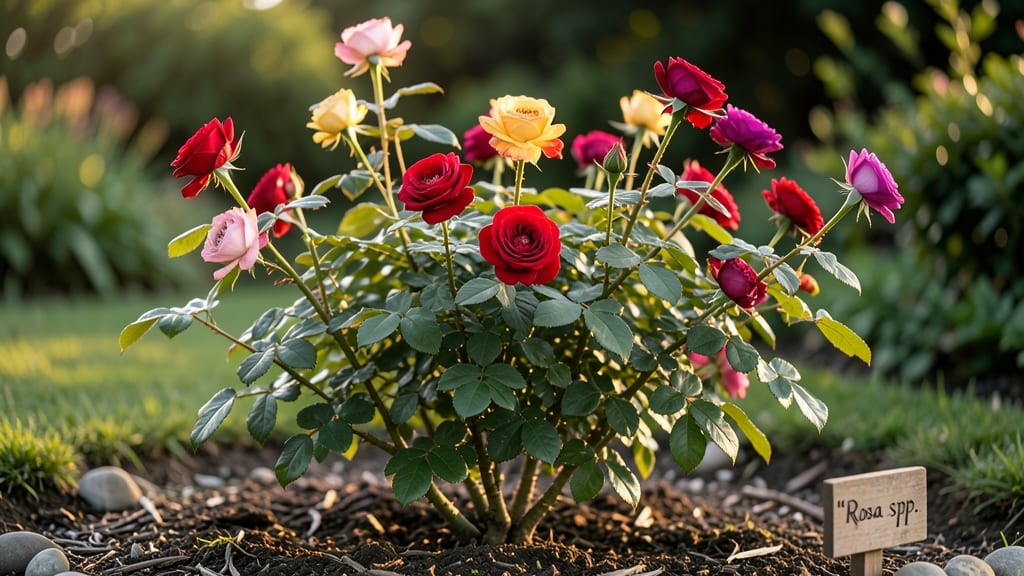
Making roses grow isn’t about luck—it’s about the right conditions. 🌹 I’ve turned my once-bare patches into blooming gardens by focusing on three key things: soil that breathes, sunlight that fuels, and pruning that directs energy where it counts.
The secret isn’t complicated; it’s consistent care that mimics what roses crave in the wild.
Start with well-draining soil—roses hate soggy roots. Mix in compost at planting time and top-dress annually. Give them at least 6 hours of sun daily, and water deeply once a week (more in extreme heat). The payoff? Healthy canes that support more blooms, not just bigger leaves.
Prune in early spring to remove dead wood and shape the plant. Cut just above an outward-facing bud—this encourages lush, bushy growth. Organic fertilizers like fish emulsion or bone meal give roses the nutrients they love without the harsh chemicals that stress them.
Seasonal tweaks make all the difference: mulch in winter to protect roots, and deadhead spent blooms to keep flowers coming. Even in small spaces, these steps turn roses into year-round stars—no green thumb required, just attention to detail.
📚 In This Guide
- What you need
- Instructions
- Tips and common mistakes
- Wrapping up and next steps
What you need
- ● Rose plants: Choose disease-resistant varieties (e.g., Knock Out® or David Austin roses). Buy 3–5 bare-root plants (fall/early spring) or 1–2 potted roses (year-round).
- ● Well-draining soil: 6–8 bags (20–40 lbs each) of garden loam mixed with 2–3 bags of compost or aged manure.
- ● Organic fertilizer: 1 lb of balanced 10-10-10 or rose-specific fertilizer (e.g., Espoma Rose-Tone).
- ● Mulch: 2–3 cubic feet of wood chips or straw to retain moisture.
- ● Water: 5–10 gallons per plant weekly (adjust for climate).
- ● Garden trowel (for planting).
- ● Pruning shears (sterilized with rubbing alcohol).
- ● Gloves (heavy-duty for thorns).
- ● Watering can or hose with adjustable nozzle.
- ● Measuring tape (to space plants 2–4 feet apart).
- ○ Optional: Drip irrigation system (for automated watering).
- ● Rose trellis or cage (for climbing varieties).
- ● pH test kit (to check soil acidity, ideal: 6.0–6.5).
- ● Sunlight: 6+ hours of direct sun daily (south-facing spot ideal).
- ● Location: Sheltered from strong winds (use a fence if needed).
- ● Climate prep: In cold climates, plant in spring (after last frost).
- ● In hot/dry areas, water deeply 2–3x/week.
Step-by-Step instructions for cultivating thriving roses
Here's the straightforward approach I've used for decades to coax roses into blooming like crazy with almost no extra work.
🌱 Step 1: Select and Prepare the Right Location
Roses demand 6-8 hours of direct sun daily, so scout your yard for the sunniest spot possible. I always check for at least 5 hours of afternoon sun—that's when roses need the most energy to develop strong blooms. Avoid low-lying areas where cold air settles, as roses hate soggy roots.
Dig a hole twice as wide as the root ball but only as deep. This encourages roots to spread horizontally rather than sitting compacted in a deep hole. Loosen the native soil at the bottom with your hands or a trowel—this breaks up any hardpan that could restrict root growth. The key is creating a loose, airy environment for those roots to establish quickly.
☀️ Step 2: Plant at the Correct Depth and Water Thoroughly
Position the rose so the graft union (that little bump near the base) sits 2-3 inches below soil level. This protects the graft from sun exposure and potential damage. Backfill with a mix of native soil and compost or aged manure (about 20% compost by volume) to give roots a nutrient boost right from planting.
Water immediately after planting to settle the soil and eliminate air pockets. The soil should feel damp to your touch 6-8 inches deep. I always water deeply again in 2-3 days to encourage roots to spread outward. Avoid letting the soil dry out completely during the first month—this is when roots establish their foundation.
✂️ Step 3: Prune Strategically for Maximum Blooms
Cut back any dead or crossing branches first—these compete with healthy growth. Then make your main cuts just above an outward-facing bud, using clean pruners. I angle cuts slightly downward to prevent water from pooling on the wound. For hybrid teas and floribundas, aim to leave 3-5 strong canes per plant after pruning.
The secret to continuous blooms is deadheading—remove spent flowers immediately. This redirects the plant's energy from seed production back into new buds. In late summer, I give my roses a light trim to encourage one last flush of fall blooms before winter dormancy. Never remove more than ⅓ of the plant's foliage at once, or you'll shock the rose into dormancy.
💧 Step 4: Feed and Protect Through the Growing Season
Apply a balanced rose fertilizer (10-10-10) when new growth appears in spring, then again every 4-6 weeks through summer. I switch to a low-nitrogen formula in late summer to encourage bloom production rather than leafy growth. Water at the base in the morning to prevent fungal diseases—never overhead water after dark.
Mulch heavily around the base (but keep it 2-3 inches away from the stem) to retain moisture and regulate soil temperature. A 3-inch layer of organic mulch like wood chips or straw works perfectly. This also suppresses weeds that compete for nutrients. In winter, add an extra 4-6 inches of mulch to protect roots from freeze-thaw cycles.
🌿 Step 5: Monitor and Adjust for Year-Round Success
Check roses weekly for signs of pests like aphids or Japanese beetles. A strong spray of water often dislodges these pests, but for serious infestations, I use neem oil—it's organic and safe for beneficial insects. Yellowing leaves usually mean overwatering or poor drainage, while brown edges signal underwatering or salt buildup from tap water.
Adjust your care based on what you observe. If blooms are small or sparse, increase sunlight exposure or switch to a bloom-boosting fertilizer. If new growth looks weak, the plant may need more phosphorus (the middle number in NPK ratios). The goal is to keep roses healthy enough that they focus energy on producing those stunning, repeat blooms all season long.
Tips & tricks for perfect rose cultivation
Common pitfalls—and how to sidestep every one—when growing roses that bloom like crazy with minimal effort.
Sunlight Strategy: The 6-8 hours of direct sun requirement is non-negotiable, but here's the thing about afternoon sun: if your roses aren't getting at least 5 hours of it, they'll struggle to develop strong blooms. I've found that southern exposures work best in northern climates, while eastern exposures are ideal in southern regions. Consider using reflective surfaces like white walls or gravel near the planting area to bounce extra light onto your roses during their critical afternoon growth window.
Root Environment: That wide, shallow hole in Step 1 isn't just about aesthetics—it's about creating the perfect root environment. When loosening the native soil, aim to break up any compacted layers down to at least 12 inches deep. I've seen roses planted in unamended soil struggle even with perfect sunlight because their roots couldn't expand properly. Adding a handful of perlite or coarse sand to the backfill mix improves drainage dramatically, especially in clay-heavy soils.
Watering Wisdom: The 6-8 inch deep dampness check after planting is crucial, but here's what nobody tells you: your watering routine changes as seasons shift. In summer, I water deeply every 2-3 days, while in winter I reduce to once every 7-10 days. The key is maintaining consistent moisture without waterlogging—roses hate soggy roots. I use soaker hoses for this reason—they deliver water directly to the root zone without wetting the foliage, which helps prevent fungal diseases.
Pruning Precision: When you're making those cuts just above outward-facing buds in Step 3, here's my pro tip: always make your cuts at a 45-degree angle about 1/4 inch above the bud. This creates more surface area for water to evaporate from, reducing the chance of rot. And for that late summer trim? I cut back to the first set of 5 strong leaves on each stem—this gives you enough foliage for photosynthesis while still encouraging new growth before winter.
Pro Tips for Make Roses Grow
- Common pitfalls—and how to sidestep every one—when growing roses that bloom like crazy with minimal effort.
- Sunlight Strategy: The 6-8 hours of direct sun requirement is non-negotiable, but here's the thing about afternoon sun: if your roses aren't getting at least 5 hours of it, they'll struggle to develop strong blooms.
- Root Environment: That wide, shallow hole in Step 1 isn't just about aesthetics—it's about creating the perfect root environment.
Frequently asked questions
Got questions about growing roses like a pro?
Here are answers to the most common ones—so you can keep those blooms thriving with confidence!
How often should I water my roses?
Water deeply 1-2 times per week, giving them about 1-2 inches of water per session. Early morning is best to prevent fungal diseases. Pro tip: Check soil moisture—if the top inch feels dry, it’s time to water!
When is the best time to plant roses?
Plant bare-root roses in early spring or fall (4-6 weeks before frost). Container-grown roses can go in anytime, but spring is ideal for warmer climates. Why? Cooler temps help roots establish before summer heat.
What do I do if my roses get pests or diseases?
Start with neem oil or insecticidal soap for pests like aphids. For fungal issues (e.g., black spot), prune infected leaves and apply a fungicide. Prevent future problems: Space plants for airflow and avoid overhead watering.
Can I grow roses indoors or in containers?
Yes! Choose dwarf or patio varieties (like ‘Knock Out’ roses) and use well-draining pots. Place them in bright, indirect light and fertilize monthly. Bonus: Move containers outside in summer for extra blooms!
How do I protect roses in winter?
Mulch the base with 3-4 inches of organic mulch (straw or leaves) after the first frost. For tender varieties, wrap canes in burlap or rose cones and cover with frost cloth. Timing matters: Do this after soil freezes but before heavy snow.
Wrapping up and next steps
Growing roses year-round is totally achievable with the right care—sunlight, soil, pruning, and patience are your best friends! 🌹 Whether you’re a beginner or a seasoned gardener, these tips will help you nurture stunning blooms with minimal stress. Start small, experiment with varieties, and enjoy the process.
Ready to see your garden flourish? Pick a rosebush today, grab your tools, and get growing! 🌱 For extra inspiration, check out our guide on rose varieties or join a local gardening group—you’ve got this!