
Picking
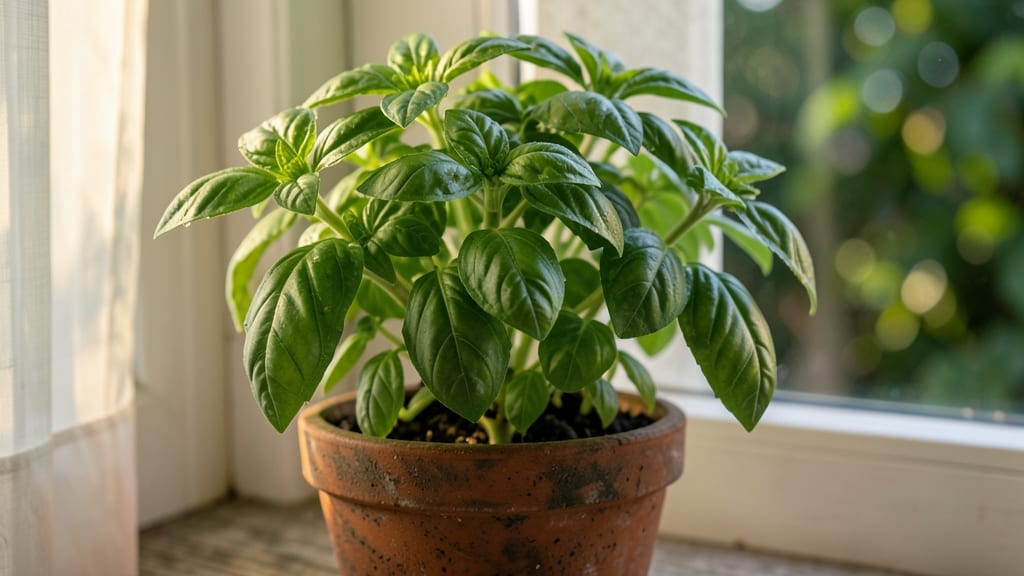
Picking the right plant feels like solving a puzzle—one wrong move and your garden suffers. 🌱 I’ve learned the hard way that matching plants to their perfect conditions is the secret to thriving growth, not just wishful thinking. Start by asking three simple questions: What’s your climate?
How much sunlight does the spot get? And what do you actually want from the plant—fluffy blooms, crisp veggies, or buzzing pollinators? The biggest mistake? Ignoring soil type. Sandy soil drains too fast for moisture-lovers like hostas, while clay holds water forever—perfect for drought-tolerant lavender.
Check your garden’s drainage by digging a hole, filling it with water, and timing how long it takes to disappear. Pro tip: Amend heavy soil with compost or perlite to give roots room to breathe. Once you’ve matched the plant to its needs, think long-term.
Ornamental grasses like fountain grass need space to spread, while bush beans stay tidy in containers. Even "easy-care" plants like snake plants need occasional pruning or repotting—skipping maintenance is how gardens turn into sad, overgrown messes. Here’s the game-changer: Start with just 3-5 plants that fit your conditions perfectly.
Master those before expanding. My first garden failed because I crammed in too many varieties—now I plan like a pro, and my plants reward me with lush growth and zero stress.
📚 In This Guide
- What you need
- Instructions
- Tips and common mistakes
- Wrapping up and next steps
What you need
- ● Gloves (1 pair) – Opt for breathable, lightweight garden gloves to protect your hands from dirt and sharp edges.
- ● Pruning shears (1 pair) – Sharp, clean shears (bypass or anvil type) for trimming dead leaves or stems.
- ● Trowel (1 medium-sized) – A sturdy, 6-8 inch trowel for digging or transplanting.
- ● Watering can or spray bottle (1) – A 1-2 gallon watering can with a rose attachment or a spray bottle for delicate plants.
- ● Plant food or fertilizer (1 small bag) – Choose a balanced, slow-release fertilizer (e.g., 10-10-10 NPK ratio) for general use.
- ● Pot or container (1-2, depending on plant size) – Small plants: 4-6 inch pots with drainage holes.
- ● Medium plants: 8-12 inch pots.
- ● Large plants: 14+ inch pots or garden beds.
- ● Potting soil (1 bag) – A high-quality, well-draining mix (e.g., 50% peat moss, 30% perlite, 20% compost).
- ○ Mulch (optional but helpful) – Shredded bark or coconut coir to retain moisture and suppress weeds.
- ● Basic plant care research – Know your plant’s sunlight, water, and soil needs (e.g., succulents vs. ferns).
- ● Local plant availability – Check nurseries, garden centers, or online stores for healthy, disease-free options.
- ● Seasonal timing – Avoid picking plants during extreme heat, frost, or peak pest seasons.
- ● Budget planning – Factor in costs for plants, tools, and long-term upkeep.
- ● pH testing kit – To check soil acidity/alkalinity (critical for picky plants like blueberries or hydrangeas).
- ● Grow lights or LED bulbs – For indoor plants needing supplemental light.
- ● Plant labels or markers – To track varieties and care notes.
- ● Humidity tray or pebble tray – For tropical plants that love moisture in the air.
- ● Plant support (stakes, trellis) – For vining plants like ivy or tomatoes.
Step-by-Step guide to choosing a healthy plant
Here's how I evaluate plants from nursery to home—this checklist saves me from bringing home sickly specimens.
🌱 Step 1: Inspect the Roots First
Gently remove the plant from its pot and examine the root system. Healthy roots should be white or light tan and firm to the touch. If you see mushy black roots, that's a sign of rot from overwatering. Roots should spread out evenly—if they're circling tightly, the plant has been root-bound and needs repotting immediately.
Run your finger through the roots gently. They should feel springy, not brittle or slimy. If the root ball is dry and crumbly, the plant hasn't been properly watered. I always give root-bound plants a quick soak before bringing them home to help them adjust.
🌿 Step 2: Examine the Stem Structure
Look for stems that are straight and sturdy, not weak or bending. Press lightly on the main stem—it should feel firm, not hollow or mushy. Check for green color all the way to the base; yellowing or brown spots indicate disease or poor circulation.
If the plant has multiple stems, they should be evenly spaced and not crowded. Crowded stems compete for nutrients and light, leading to weak growth. I avoid plants with stems that have white powdery residue—that's often powdery mildew, which spreads quickly indoors.
☀️ Step 3: Assess the Leaves for Vitality
Turn your attention to the leaves—this is where you'll spot most problems. Healthy leaves should be bright green and free of spots, holes, or discoloration. Run your fingers over the leaf surface; it should feel smooth, not rough or sticky.
Check the undersides of leaves for pests like spider mites or aphids. If you see tiny webs or tiny moving insects, walk away—that plant will be a headache. I also look for even leaf distribution; if leaves are clustered only at the top, the plant is likely leggy from insufficient light.
💧 Step 4: Test the Soil Moisture Level
Stick your finger about 1 inch into the soil. It should feel slightly damp but not soggy. If it's completely dry, the plant may have been neglected. On the other hand, if it feels cold and clumpy, the soil might be overwatered.
I always give the soil a gentle squeeze—healthy soil should hold together but not drip water. If the pot feels extremely light, the soil may be too dry and compacted. A quick watering before bringing it home helps the plant recover faster.
⏰ Step 5: Consider the Plant's Growth Stage
Observe the plant's overall size and growth pattern. If it's too large for your space, it will outgrow its welcome quickly. Look for new growth at the tips—this shows the plant is actively growing, not just surviving.
I avoid plants that are already flowering unless I'm specifically looking for blooms. Flowering plants often have weaker root systems because they're putting energy into blooms instead of establishing themselves. If you're buying for foliage, choose plants with tight, compact growth rather than leggy stems.
Tips & tricks for perfect plant selection
Confession: I've brought home plants that looked perfect but died within weeks. Here's what I learned the hard way about choosing winners.
Root Check Pro Tip: In Step 1, when you're inspecting roots, take note of how easily they separate from the pot. If roots pull away cleanly with minimal resistance, that's a good sign. But if you're pulling hard and chunks of soil stick to the roots, the plant has been neglected—those roots won't recover quickly. I've found that giving these plants a 10-minute soak in room-temperature water before bringing them home gives them a fighting chance.
Stem Toughness Test: When examining stems in Step 2, squeeze them gently between your fingers. A healthy stem should spring back immediately. If it stays bent or feels mushy, that's a red flag. I once bought a snake plant with stems that felt hollow—it lasted exactly one week. The green color all the way to the base is especially important for indoor plants, as they won't get much natural light.
Leaf Inspection Shortcut: For Step 3, don't just look at the leaves—give them a quick sniff. Healthy leaves should smell fresh and slightly earthy. Musty or sour smells indicate fungal issues or poor air circulation. I also check leaf edges: slightly curled edges are normal, but crispy or brown edges mean the plant has been overwatered or exposed to drafts.
Soil Moisture Hack: In Step 4, if you're unsure about the soil moisture, try this trick: press your finger into the soil about 1 inch deep, then hold it up to your cheek. The soil should feel slightly warm and moist, like a damp sponge. Cold soil means it's been overwatered, while bone-dry soil indicates underwatering. I keep a small spray bottle handy to give newly purchased plants a light misting if their soil feels too dry.
Pro Tips for Pick A Plant
- Confession: I've brought home plants that looked perfect but died within weeks.
- Root Check Pro Tip: In Step 1, when you're inspecting roots, take note of how easily they separate from the pot.
- Stem Toughness Test: When examining stems in Step 2, squeeze them gently between your fingers.
Frequently asked questions
Got questions about picking the perfect plant? You’re not alone! Here are some of the most common concerns—plus quick, actionable answers to help you avoid mistakes and grow with confidence.
What’s the best time of year to pick plants?
For most plants, late spring or early fall is ideal—soil is warm, pests are fewer, and plants have time to establish roots before extreme weather. Herbs and leafy greens thrive in cooler seasons, while tomatoes and peppers love summer heat. Always check your plant’s specific needs!
How do I tell if a plant is healthy enough to pick?
Look for vibrant leaves (no yellowing or spots), firm stems (not mushy or brittle), and root systems (white, not brown or slimy). Avoid plants with wilting, pests, or mold. Pro tip: Gently tug the plant—healthy roots resist slightly but pull out cleanly.
Can I pick plants from grocery stores or farmers’ markets?
Yes! Grocery stores and markets often carry pre-picked herbs (basil, cilantro) and greens (spinach, kale). Just check for freshness (no wilting) and organic labels if pesticide-free is a priority. For home gardens, local nurseries or seed-starting kits are better bets for long-term growth.
What if my picked plant starts dying after bringing it home?
Don’t panic! Common fixes:
- Too much water: Let soil dry slightly between waterings.
- Not enough light: Move to a sunny windowsill or grow light.
- Shock from transplanting: Trim damaged leaves and give it 1–2 weeks to adjust.
If it’s beyond saving, learn from it—next time, pick hardier varieties like rosemary or mint!
Are there any plants I should avoid picking?
Skip:
- Wild or unknown plants (could be toxic—never eat unless 100% identified).
- Plants treated with pesticides (look for “organic” labels).
- Overly mature produce (e.g., bruised tomatoes or wilted lettuce—better to pick younger!).
When in doubt, ask the vendor about growing conditions!
Wrapping up and next steps
Picking the perfect plant is all about matching your lifestyle, space, and care level with the right leafy companion. 🌱 Whether you’re a seasoned gardener or a newbie, trust your instincts—confidence grows with every pot you choose!
Now that you’re armed with this root-to-stem checklist, take the next step: visit your local nursery, snap a photo of your space, and let your plant instincts guide you. Happy growing—your future green buddy is waiting!