
How To
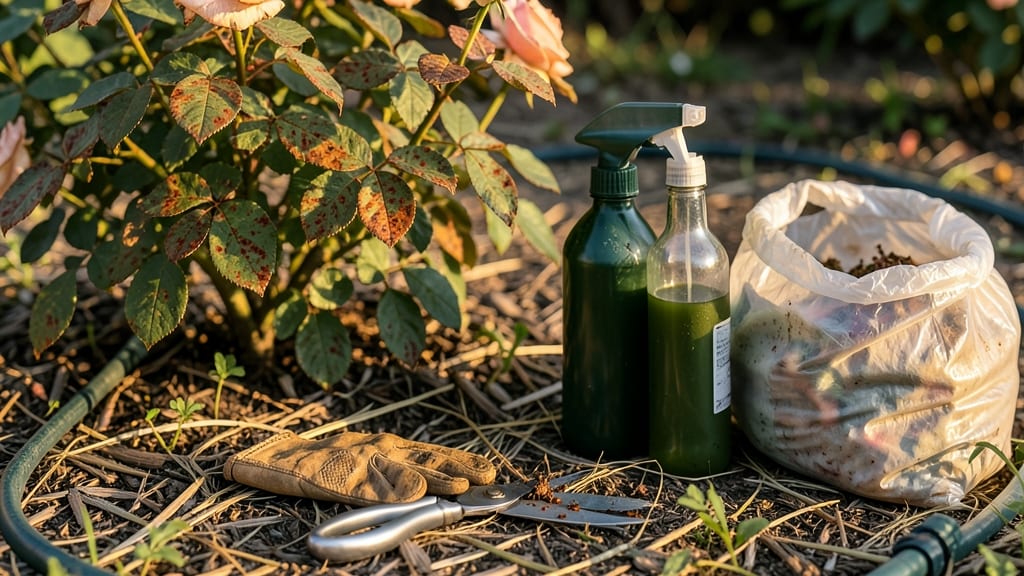
How to get rid of rust on roses—before it turns your garden into a powdery orange nightmare. 🌿 That ugly fungus (Phragmidium mucronatum) doesn’t just ruin looks—it saps your roses’ energy, leaving them weak and wilted. The good news? A simple vinegar soak can stop it in its tracks before it ruins your blooms.
Most gardeners panic and grab the first fungicide they see, but the real fix starts with prevention: space your roses for airflow, water at the base (not the leaves), and clean up fallen debris.
Once rust appears, a 1:1 vinegar-water spray (applied at dusk) kills spores without harming beneficial insects. For stubborn cases, neem oil or copper fungicide does the trick—just follow label instructions.
You’ll see fresh, rust-free leaves within 7-10 days if you act fast. The key is acting before the fungus spreads to new growth. Prune infected leaves (sterilize your shears!) and compost them far from your garden to break the cycle.
This works for hybrid teas, floribundas, and even shrub roses—no matter your zone. The secret? Catching it early and giving your roses the airflow they crave. Let’s get those leaves shining again.
The Hidden Triggers Behind Rusty Roses
Rust on your roses isn’t just an unsightly nuisance—it’s a plant disease caused by fungal spores that thrive in specific conditions. Understanding why it happens is the first step to stopping it before it spreads.
Below, we break down the real culprits behind rusty rose leaves, stems, and buds, so you can address the root cause and keep your garden healthy.
Rust fungi (Phragmidium mucronatum and related species) love dampness. When humidity levels stay high—especially above 70%—or when foliage remains wet for prolonged periods (like after rain or overhead watering), fungal spores germinate and infect your roses.
- Why it matters: Water droplets create a perfect breeding ground for spores. The fungus penetrates leaf tissue through tiny openings called stomata, then forms rust-colored pustules on the undersides of leaves.
- Actionable clue: Check for rust most often after morning dew or frequent rain. If your garden stays soggy, rust will follow.
- Pro tip: 💡 Mulch properly to regulate soil moisture, but avoid piling it against stems—this traps dampness and encourages fungal growth.
Roses with crowded, thick growth suffer from stagnant air, which traps moisture and heat. Fungal spores spread faster in these conditions because there’s no airflow to dry out leaves quickly.
- Why it matters: Without proper ventilation, spores hitchhike on wind currents or splashing water, jumping from plant to plant. Overgrown bushes are high-risk zones for outbreaks.
- Actionable clue: If your roses are tall and bushy with little space between branches, rust is likely lurking in the shadows.
- Pro tip: ✨ Prune strategically—remove crossing branches and thin out dense areas in early spring to improve airflow.
Roses under stress—whether from nutrient deficiencies, over-fertilization, drought, or transplant shock—are vulnerable to fungal infections. A healthy rose resists rust, but a struggling one becomes an easy target.
| Stress Factor | How It Helps Rust Spread |
|---|---|
| Nitrogen deficiency (yellowing leaves) | Weakens leaf structure, making it easier for spores to penetrate. |
| Overwatering (soggy soil) | Roots suffocate, reducing the plant’s ability to fight off pathogens. |
| Pests (aphids, spider mites) | Damage leaves, creating entry points for fungal spores. |
Actionable clue: If your roses are wilting, discolored, or dropping buds before blooming, they’re already compromised. Rust will exploit this weakness.
Fungal spores hibernate in old rose leaves, mulch, and even on pruning shears. If you reuse tools or leave infected plant matter in the garden, spores re-infect your roses season after season.
- Why it matters: Spores can survive years in dead leaves or soil. One rusty leaf left behind = a future outbreak.
- Actionable clue: Check for orange pustules on fallen leaves or compost piles. If you see them, remove and dispose of the debris immediately.
- Pro tip: 🔥 Sterilize tools with rubbing alcohol or a 10% bleach solution between uses to kill lingering spores.
Rust fungi peak in spring and early summer when temperatures hover between 60–75°F (15–24°C) and humidity is high. Mild winters (where fungi don’t die off completely) mean spores linger and reinfect in the next growing season.
- Why it matters: Cooler, wet springs create the perfect storm for rust. If your area has frequent rain followed by warm days, expect an outbreak.
- Actionable clue: Monitor weather patterns. If your region has prolonged dampness in spring, proactively treat your roses before symptoms appear.
- Pro tip: 🌡️ Water in the morning so leaves dry by evening, reducing overnight humidity.
Quick Fixes for Rusty Roses
Now that you know what’s causing that unsightly rust on your roses, let’s tackle it head-on with practical, garden-friendly solutions. Whether it’s fungal spores, water splashes, or environmental stress, these methods will help restore your roses to their former glory—and keep them looking fresh for seasons to come.
---
If the rust is just on the leaves or stems (not deep-rooted), these easy fixes will work wonders.
#### 🔥 Vinegar Soak (Best for Mild Rust) Vinegar isn’t just for cleaning—it’s a natural fungicide that cuts through rust spores without harsh chemicals. What you’ll need: - 1 gallon warm water - 1 cup white vinegar (or apple cider vinegar for a milder option) - Spray bottle or watering can
Steps: 1. Mix the solution in a bucket or large container. 2. Spray or soak the affected leaves and stems thoroughly (aim for the undersides of leaves where spores hide). 3. Let it sit for 10–15 minutes, then rinse with clean water. 4. Repeat every 5–7 days until rust disappears.
> 💡 Pro Tip: For extra power, add 1 tsp baking soda to the mix—it boosts fungicidal properties while balancing pH.
---
#### 🧼 Baking Soda Spray (Gentle & Effective) Baking soda is a buddy to roses—it’s alkaline, so it disrupts fungal growth without harming plants. What you’ll need: - 1 tbsp baking soda - 1 quart water - A few drops of dish soap (like Dawn) as a surfactant
Steps: 1. Dissolve baking soda in warm water until fully mixed. 2. Add soap to help the spray stick to leaves. 3. Spray early in the morning (avoid midday sun to prevent leaf burn). 4. Apply weekly until rust clears up.
> ✨ Bonus: This spray also prevents powdery mildew—another common rose nemesis!
---
If rust is spreading fast or you’ve tried natural methods without luck, it’s time for targeted treatments.
#### 🔪 Copper Fungicide (The Heavy Hitter) Copper-based sprays (like Bordeaux mixture or copper sulfate) are highly effective against fungal rust. How to use: - Follow the package instructions (usually 1–2 tbsp per gallon of water). - Apply at dusk or dawn to avoid leaf scorch. - Reapply every 7–14 days until rust is gone.
> 🎯 Warning: Copper can be toxic to pets and beneficial insects—wear gloves and avoid overspraying.
#### 🍄 Organic Fungicide (Safer for Ecosystems) For a chemical-free but still powerful option, try: - Neem oil (1 tsp per quart of water + a drop of soap) - Potassium bicarbonate (2 tbsp per gallon of water) Application: - Spray both sides of leaves and stems. - Reapply every 7–10 days until rust disappears.
---
The best defense? Stop rust before it starts. Here’s how:
| Cause | Prevention Tip | When to Do It | |-------------------------|--------------------------------------------|---------------------------| | Poor air circulation | Prune roses to open up the center of bushes. | Early spring or after blooming. | | Overhead watering | Use a soaker hose or drip irrigation. | Water in the morning so leaves dry by night. | | High humidity | Space plants 3–4 feet apart for airflow. | Prune in late winter. | | Old debris | Remove fallen leaves & stems (burn or compost them far from roses). | Fall cleanup & spring. | | Stressed plants | Fertilize with low-nitrogen rose food. | Early spring & mid-summer. |
> 🔥 Fire Prevention: Mulch around roses with pine needles or straw—they repel fungi and improve drainage!
---
Don’t wait until your roses look like a rusty relic—act fast! - First signs (tiny orange spots)? → Vinegar or baking soda spray (2–3 treatments). - Spots spreading? → Switch to neem oil or copper fungicide. - Severe infection? → Prune infected stems (sterilize shears with rubbing alcohol) and treat aggressively.
--- Final Thought: Rusty roses don’t have to stay that way! With consistent care and these easy fixes, your roses will bloom rust-free and radiant in no time. 🌹✨
Frequently asked questions
Can I use vinegar spray on roses every week?
While vinegar is effective for treating rust, using it weekly can harm your roses over time. Limit applications to every 5-7 days during treatment, then switch to preventive measures like baking soda spray or neem oil. Always dilute vinegar properly (1:1 ratio) and avoid spraying in direct sunlight.
Will pruning infected leaves stop rust from spreading?
Pruning helps, but it's only part of the solution. Remove infected leaves completely (don't compost them near your garden) and sterilize your tools with rubbing alcohol. Combine pruning with fungicidal treatments for best results. The key is to act quickly when you first see orange pustules.
Is rust on roses contagious to other plants?
Yes, rust spores can spread to other plants through wind, water splashes, or garden tools. The same fungal species can infect berries, vegetables, and other ornamental plants. Always clean tools between plants and remove infected debris immediately to prevent cross-contamination.
How do I know if my rose's rust is severe enough for chemical treatments?
Use chemical fungicides like copper only when natural methods fail or rust covers more than 25% of leaves. Look for signs like wilting, leaf drop, or blackened stems—these indicate severe infection. Start with organic options first and monitor progress before resorting to chemicals.
Can I still harvest roses with rust?
It's best to avoid harvesting roses showing rust symptoms. The fungus can weaken stems and reduce vase life. Cut only healthy blooms from unaffected parts of the plant. If you must use infected roses, remove all leaves before arranging to prevent spreading spores to other flowers.