
Container Gardens
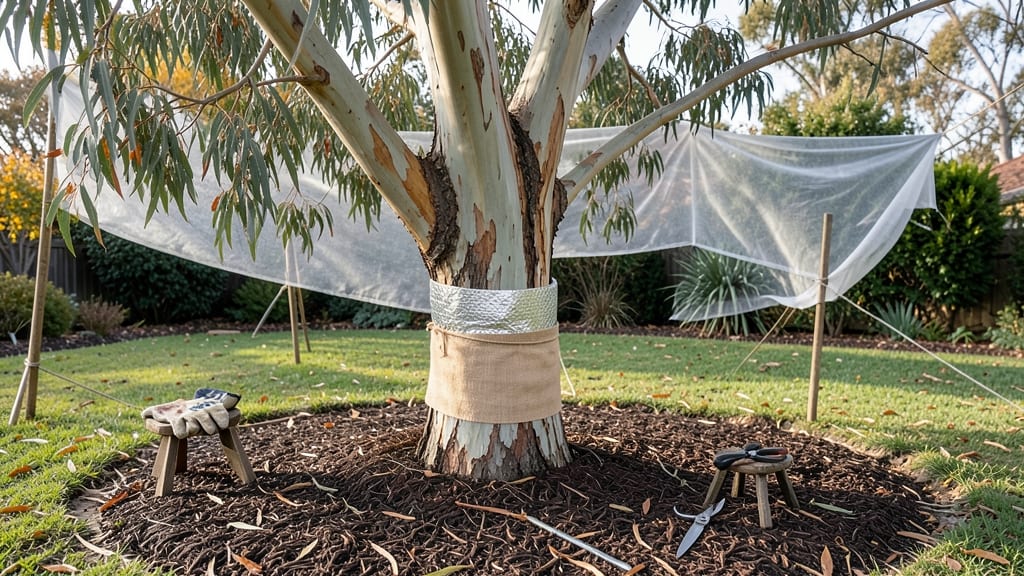
Overwintering eucalyptus feels like cheating winter—keeping that silvery-green beauty alive when everything else fades. 🌿 I’ve brought mine through three winters now, and the secret isn’t complicated: it’s about protecting the roots, sheltering the foliage, and adjusting water just enough.
Most people think eucalyptus can’t handle cold, but with the right prep, they’ll bounce back greener than ever in spring.
The key moves are simple: prune back about a third of the growth before frost, mound extra mulch around the base (think 4-6 inches of straw or leaves), and wrap the trunk in burlap if temps dip below 20°F.
For container plants, move them to an unheated garage or under a thick blanket—just don’t let them freeze solid. The goal is to slow growth, not stop it completely.
By spring, you’ll see fresh shoots pushing through, and the plant will look like it never took a break. The foliage stays fragrant, the branches stay sturdy, and you avoid the heartbreak of losing a plant you’ve nurtured for years.
Even in Zone 5, this method works—just give it patience and consistent care.
Here’s the catch: eucalyptus hates soggy roots in winter. Water only when the soil is bone-dry to the touch, and avoid fertilizing until new growth appears in spring.
And if you’re in a particularly harsh climate? A temporary greenhouse or cold frame can make all the difference. Let’s get your eucalyptus through winter unscathed.
📚 In This Guide
- What you need
- Instructions
- Tips and common mistakes
- Wrapping up and next steps
What you need
- ● Cold-hardy eucalyptus varieties: Choose species like Eucalyptus pauciflora (Snow Gum) or Eucalyptus cinerea (Argyle Apple), which tolerate temps down to 15–20°F (-9 to -7°C).
- ● Large containers: 1–2 15–20 gallon pots (or larger) with drainage holes. Use fabric grow bags for flexibility.
- ● High-quality potting mix: 1 bag (2–3 cubic feet) of well-draining mix (e.g., 50% peat moss, 30% perlite, 20% compost). Avoid garden soil!
- ● Slow-release fertilizer: 1 lb of balanced 10-10-10 or organic fertilizer (like fish emulsion).
- ● Mulch: 2–3 inches of straw, wood chips, or pine bark to insulate roots.
- ● Burlap or frost cloth: 1–2 rolls (at least 3 ft x 5 ft) to wrap pots or shield plants.
- ● Watering can or hose: With a fine-mist nozzle for gentle hydration.
- ● Pruning shears: Sharp, sterilized (clean with rubbing alcohol).
- ● Thermometer: Soil or air thermometer to monitor temps (aim for 40–60°F for optimal growth).
- ● Heat mat: For extreme cold zones (below 10°F/-12°C).
- ● Anti-desiccant spray: Like Wilt-Pruf to protect leaves from windburn.
- ● Container insulation: Styrofoam cups or pool noodles to wrap pots for extra warmth.
- ● LED grow lights: If overwintering indoors (12–14 hours/day for light-loving eucalyptus).
- ● Moisture meter: To check soil moisture without overwatering.
Step-by-step instructions for overwintering eucalyptus safely
Here's how I protect my eucalyptus through winter—no fancy tools, just smart techniques.
🌿 Step 1: Assess Your Plant's Cold Tolerance
Eucalyptus varieties differ wildly in cold hardiness. Most tropical types (like Eucalyptus globulus) die below 20°F, while some cold-hardy hybrids (like Eucalyptus gunnii) survive down to 5°F. Check your plant's tag or research its exact species—this determines your entire overwintering strategy.
Look for signs of stress: yellowing leaves, leaf drop, or brown tips. If your plant has already suffered damage, it needs extra protection. I always move borderline varieties indoors before temps drop below 30°F, regardless of the forecast.
🪴 Step 2: Prepare for Indoor Protection
Choose a bright location indoors—near a south-facing window gets the best light. Eucalyptus needs at least 6 hours of sunlight daily, or it will drop leaves and weaken. If natural light is insufficient, supplement with a grow light for 12-14 hours daily. I place mine under a full-spectrum LED to mimic outdoor conditions.
Before moving, trim any dead or yellowing branches with clean, sharp pruners—this reduces stress on the plant. Water thoroughly 24 hours before bringing indoors so the roots have moisture reserves. Use a 1-gallon watering can to soak the soil to a depth of 6 inches—this prevents transplant shock.
☀️ Step 3: Transition Gradually to Indoor Conditions
Don't rush the move—acclimate your plant over 3-5 days. Start by moving it to a protected outdoor spot (like a garage or covered porch) during the day, then bring it inside at night. Each day, extend the indoor time by 1-2 hours. This prevents leaf drop from sudden temperature changes.
Watch for leaf curling or wilting—these are signs of shock. If you see them, slow down the transition. Once fully indoors, place the plant on a drip tray to catch excess water. Reduce watering to every 7-10 days—indoor air is drier, and overwatering causes root rot.
⏰ Step 4: Maintain Ideal Indoor Conditions
Keep temperatures between 60-70°F—avoid drafts from heating vents or cold windows. Eucalyptus hates dry indoor air, so mist the leaves weekly or place the pot on a pebble tray filled with water. I also run a small humidifier nearby to keep humidity above 40%.
Fertilize lightly once a month with a balanced, water-soluble fertilizer (like 10-10-10) diluted to half strength. Avoid heavy feeding—your plant is in survival mode, not growth mode. Prune lightly if needed, but never cut more than 20% of the foliage at once.
🌱 Step 5: Prepare for Spring Transition
Start hardening off 4-6 weeks before your last frost. Move the plant outdoors for 2-3 hours daily, gradually increasing exposure. Watch for new growth—this signals the plant is ready for full outdoor life. If frost threatens, cover it with a frost blanket for extra protection.
Reintroduce outdoor conditions slowly. After a week of full-day outdoor time, you can plant it back in the ground. Water deeply to help roots re-establish. If your plant looks stressed (yellow leaves, slow growth), give it 2-3 weeks of extra care before expecting full recovery.
Tips & tricks for overwintering eucalyptus safely
Common pitfalls—and how to sidestep every one when protecting your eucalyptus through winter.
Cold Tolerance Check: The 20°F threshold for most tropical eucalyptus isn't just a number—it's a survival line. I learned this the hard way after losing a beautiful Eucalyptus globulus when temps dipped to 18°F. If you're unsure about your variety, check local hardiness zone maps or ask at your local nursery. Borderline varieties (those that survive down to 20°F) need extra protection when temps approach 30°F, even if the forecast says otherwise.
Lighting Strategy: That 6 hours of sunlight indoors isn't just a suggestion—it's non-negotiable for eucalyptus health. I've seen plants drop 80% of their leaves when placed in dim corners. If your south-facing window isn't enough, invest in a basic full-spectrum LED grow light for the 12-14 hours the plant needs daily. Place it 6-12 inches above the plant and adjust based on leaf color—yellowing means more light is needed.
Transition Timing: The 3-5 day acclimation period in Step 3 is where most people rush and regret it. I've watched eucalyptus leaves curl dramatically after being moved too quickly from 60°F indoors to 40°F outdoors. Start with just 1-2 hours outside during the day, then gradually increase. Watch for leaf wilting—this is your plant's SOS signal to slow down the process.
Humidity Hack: Indoor air can be 50% less humid than outdoors, which stresses eucalyptus. While the instructions suggest misting weekly, I've found a pebble tray with water works better—just place the pot on top of pebbles in a shallow tray filled with water. The evaporation creates consistent humidity without the hassle of daily misting. Aim to keep humidity above 40% to prevent leaf browning.
Pro Tips for Overwinter Eucalyptus
- Common pitfalls—and how to sidestep every one when protecting your eucalyptus through winter.
- Cold Tolerance Check: The 20°F threshold for most tropical eucalyptus isn't just a number—it's a survival line. I lea...
- Lighting Strategy: That 6 hours of sunlight indoors isn't just a suggestion—it's non-negotiable for eucalyptus health...
Frequently asked questions
about overwintering eucalyptus—because even the toughest plants need a little TLC in chilly months!Can eucalyptus survive freezing temperatures?
Most eucalyptus varieties are not cold-hardy and will suffer damage below 20°F (-7°C). Container-grown plants are especially vulnerable. If your area dips lower, use protective measures like mulch, frost cloth, or indoor relocation. Eucalyptus gunnii is the hardiest, tolerating down to 10°F (-12°C) with proper care.
When should I start preparing my eucalyptus for winter?
Begin 4-6 weeks before the first frost (typically late summer to early fall). This gives roots time to adjust to cooler temps, and you’ll have enough time to cover, mulch, or move potted plants indoors. Pro tip: Prune lightly in early fall to reduce stress before winter.
Can I overwinter eucalyptus indoors?
Yes! Potted eucalyptus can thrive indoors with bright, indirect light (like a sunroom or south-facing window) and humidity (mist leaves or use a pebble tray). Avoid drafts, and reduce watering—overwatering is a common killer in low-light spaces. Expect slower growth until spring.
What if my eucalyptus loses leaves or turns brown?
Brown leaves or defoliation often signal cold stress, overwatering, or transplant shock. Trim dead branches, but avoid heavy pruning until spring. Check soil moisture (it should be slightly dry before watering) and ensure good airflow. Most plants rebound in spring with proper care!
Are there cold-hardy alternatives to traditional eucalyptus?
If your climate is too harsh for eucalyptus, try these low-maintenance, cold-tolerant evergreens:
- Dwarf Italian Cypress (Cupressus sempervirens ‘Stricta’) – Hardy to 10°F (-12°C)
- Boxwood (Buxus sempervirens) – Thrives in 15°F (-9°C)
- Inkberry Holly (Ilex glabra) – Survives 0°F (-18°C) in sheltered spots
Wrapping up and next steps
Overwintering your eucalyptus isn’t just about survival—it’s about keeping that lush, fragrant greenery thriving through chilly months! With the right prep—like choosing cold-hardy varieties, protecting roots, and monitoring moisture—you’ll give your plant the best shot at bouncing back stronger. Your effort now means vibrant foliage and fresh air come spring!
Ready to take the next step? Test your setup this fall—adjust mulch, check drainage, or even move containers to a sheltered spot. Grab your notes and start prepping today—your eucalyptus will thank you! 🌿❄️