
How To
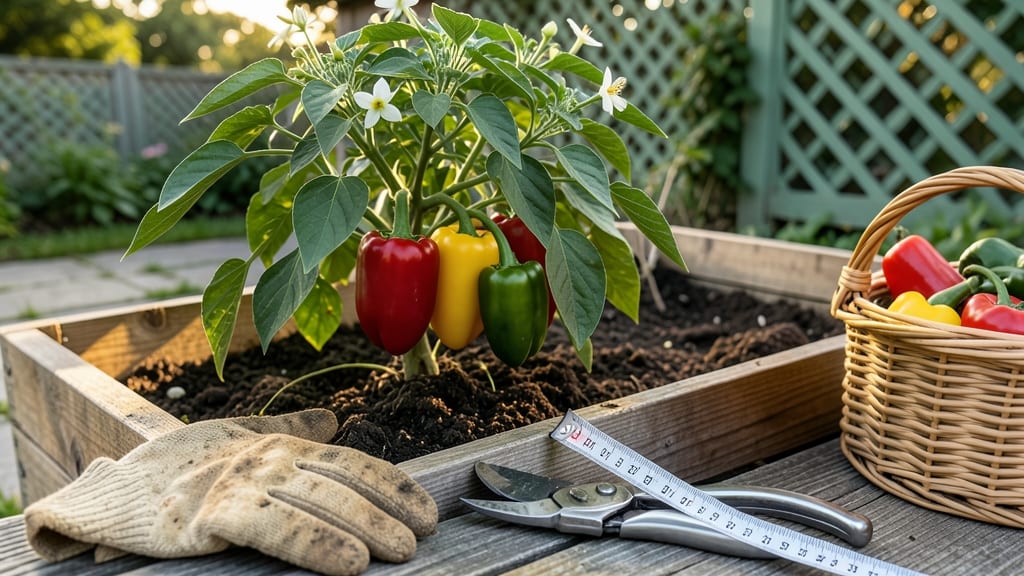
How to know when a bell pepper is ready to pick makes all the difference between a sweet, crisp harvest and a bland, underripe disappointment. That perfect moment isn't just about color—it's about texture, size, and even how the pepper feels in your hand.
If you've ever wondered why some peppers taste watery or others turn bitter, you're not alone. The key lies in understanding the subtle cues that signal peak ripeness.
From vibrant color shifts to the way the pepper yields slightly when you touch it, these visual and tactile clues are your ticket to garden-fresh flavor.
I'll walk you through exactly what to look for, including how sunlight exposure speeds up ripening and why harvesting at the right stage boosts your yield. No more guessing—just confident, delicious peppers straight from your garden.
Ready to transform your harvest? Let's dive into the simple tests that'll have you picking peppers at their absolute best every time.
Bell pepper ripening stages by color: the exact signs to watch for
Bell peppers start green but ripen into vibrant colors like red, yellow, orange, or purple, each signaling a unique flavor profile. Understanding these color transitions helps you harvest at peak sweetness and texture.
For example, a green bell pepper is technically ripe but lacks the complex sugars of its colored counterparts.
Sunlight exposure dramatically speeds up ripening—full sun (6+ hours daily) turns green peppers into their mature hues in 2-4 weeks. Partial shade slows color change, often leaving peppers green longer. Pay close attention to stem color shifts, which are your first visual cue that ripening is underway.
Color changes don’t always mean flavor readiness. A red bell pepper might look ripe but still feel hard—this means it needs 1-2 more weeks to soften. Always combine color with other ripeness tests for accuracy. Overripe peppers lose crispness and develop a mealy texture, so timing is everything.
| Stage | Color | Flavor Profile | Texture | Harvest Window |
|---|---|---|---|---|
| Immature | Solid green | Mild, grassy | Firm, crisp | 60-70 days |
| Early Ripening | Yellowing at stem | Sweet, slightly tangy | Slightly softer | 70-75 days |
| Mature | Full red/yellow/orange | Sweet, rich | Firm but yielding | 75-90 days |
| Overripe | Dull, wrinkled | Bland, mealy | Soft, spongy | 90+ days |
Yellow bell peppers often ripen first, especially in warmer climates (Zones 8-10). These varieties develop a sweeter, almost tropical taste compared to greens. Red peppers, however, pack the most vitamin C and antioxidants, making them worth the wait.
Purple beauties, like Black Beauty, transition from green to deep purple and offer a milder, earthier flavor.
Watch for glossy skin and a slight sheen—this indicates full hydration and peak ripeness. Dull or matte peppers may be underwatered or overripe. In cooler climates (Zones 3-6), peppers may stay green longer due to slower photosynthesis.
Use a plant clip or marker to track individual peppers’ ripening progress if colors blend together.
Some gardeners prefer harvesting green bell peppers for cooking, but they’ll never reach their full sweet potential. If you’re growing for fresh eating, wait for the color transition.
For example, a red bell pepper harvested at 80 days will be sweeter than one picked at 70 days, even if it’s not fully red yet.
Temperature also plays a role—peppers ripen 20% faster in 85°F+ weather than in 70°F conditions. If your summer heatwave slows ripening unexpectedly, check for pests like aphids, which can stress plants. A light spray of neem oil keeps pests at bay while peppers mature.
Pro tip: Harvest in the morning when peppers are coolest and crispest. Use a sharp pair of pruners to avoid damaging the plant. Twisting peppers off can bruise the stem and reduce future yields. Always leave 1 inch of stem attached—this preserves freshness longer.
Remember, not all bell peppers ripen to color. Some varieties, like Banana peppers, stay yellow or green. These are best harvested when firm and fully sized, regardless of color. When in doubt, combine color cues with the physical tests we’ll cover next to guarantee perfect ripeness every time.
5 Key physical tests to confirm bell pepper ripeness (beyond color)
Color is just the beginning—bell peppers reveal their true ripeness through subtle physical cues that guarantee peak flavor and texture.
First, examine the stem end. A ripe pepper’s stem will naturally detach when twisted gently, leaving a clean break. If it resists or tears, the pepper needs more time.
Next, press the skin lightly. A ripe pepper should yield slightly under pressure—like a ripe avocado—without feeling mushy. Overripe peppers collapse easily, while underripe ones feel rock-hard.
🌶️ 5 Physical Tests for Perfect Ripeness
- Stem Test: Twists off cleanly
- Firmness: Slight give when pressed
- Size: Reaches variety’s mature dimensions
- Seed: Small, white, and fully developed
- Gloss: Shiny, not dull or wrinkled
Size matters too—compare your pepper to the variety’s expected dimensions. A California Wonder should be about 3-4 inches long when ripe, while Jalapeños stay smaller but thicker.
Peek inside by cutting one open (if needed). Ripe seeds should be white and fully formed, not green or shriveled. This confirms the pepper’s sweetness potential.
Finally, check for glossiness. A ripe pepper’s skin has a natural shine, while underripe peppers look dull. Avoid harvesting when skin feels waxy or develops spots.