
Tools
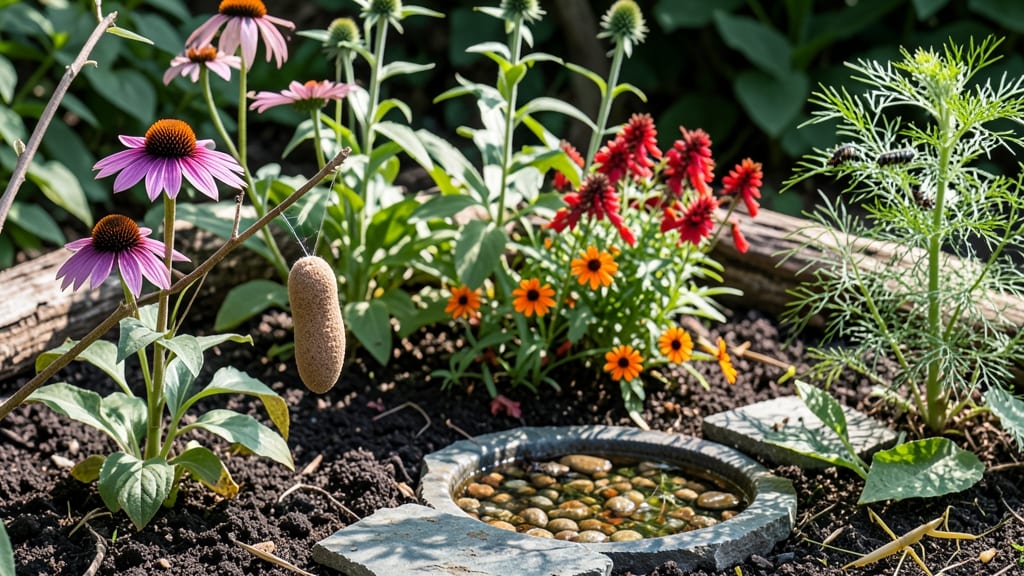
Your garden can become a pest-eating paradise with how to attract praying mantis to the garden—these silent hunters devour aphids, caterpillars, and beetles but need the right conditions to stick around.
I’ve learned the hard way that just hoping for them to show up won’t work; you need to design their dream habitat.
The secret lies in three key elements: dense foliage for hiding, shallow water sources, and plants they love. Native shrubs like buttonbush and milkweed are mantis magnets, while tall grasses and wildflowers give them perfect hunting perches.
Even a simple 5-gallon container with pebbles and water can lure them in—no fancy setups needed.
Within weeks, you’ll spot their signature stillness as they blend into the greenery, waiting to strike. The best part? They’re harmless to humans and only hunt pests, so your veggies and flowers get extra protection without chemicals. No more spraying—just let nature handle the cleanup crew.
Works in any climate, from desert gardens to shady forests. The only rule? Don’t disturb their hiding spots—they’re shy but effective. Ready to turn your yard into their favorite hunting ground?
📚 In This Guide
- What you need
- Instructions
- Tips and common mistakes
- Wrapping up and next steps
What you need
- ● Native host plants (5–10 plants per type, depending on garden size): Passionflower vines (Passiflora spp.) – 2–3 mature plants
- ● Lantana (Lantana camara) – 3–5 bushes
- ● Dill or fennel (Anethum graveolens or Foeniculum vulgare) – 1–2 plants
- ● Sunflowers (Helianthus annuus) – 3–5 plants
- ○ Milkweed (Asclepias spp.) – 2–3 plants (optional but highly attractive)
- ● Water source: Shallow dish or saucer filled with 1–2 inches of water + pebbles (to prevent drowning)
- ● Misting bottle (for daily hydration in hot climates)
- ● Shelter options: Dense foliage (e.g., Lantana, Rosemary) or artificial shelters (e.g., hollow logs, bark pieces)
- ● Potted plants (for moving mantises to safer spots if needed)
- ● Pest control (organic): Neem oil spray (1 tbsp neem oil + 1 tsp mild soap per quart of water) – 1–2 sprays/week (to deter harmful chemicals)
- ● Diatomaceous earth (food-grade, 1 lb) – for safe pest management
- ● Insectary plants (to attract mantis prey): Marigolds (Tagetes spp.) – 5–10 plants
- ● Cosmos (Cosmos bipinnatus) – 3–5 plants
- ● Zinnias (Zinnia elegans) – 4–6 plants
- ● Artificial lighting: Low-wattage UV or blacklight bulb (to attract nocturnal prey)
- ● Mantis egg cases (oothecae) (if available locally – 1–2 cases for a head start!)
- ● Garden journal (to track mantis activity and plant performance)
Step-by-Step instructions for creating a praying mantis-friendly garden
Here's how to transform your garden into a natural haven that invites these beneficial predators.
🌿 Step 1: Plant Native Shrubs and Perennials
Start with native shrubs like elderberry, serviceberry, and buttonbush—they provide both food and shelter for mantises. These plants offer dense foliage for camouflage while attracting the insects mantises hunt. I always plant at least three different species to create layered habitat, which mimics their natural environment.
Add native perennials like milkweed, coneflowers, and goldenrod in clusters of 5-7 plants each. These flowers provide nectar and pollen while supporting the prey insects mantises rely on. Space them 18-24 inches apart to allow for natural movement between plants. The key is variety—mantises need both tall and low-growing options for hunting and resting.
☀️ Step 2: Add Tall Grasses and Wildflower Meadows
Plant tall ornamental grasses like switchgrass, little bluestem, and Indian grass in 3-foot-tall clumps. These grasses create vertical structure where mantises can perch and ambush prey. I like to place them near shrubs to form natural corridors between different habitat layers.
Leave wildflower meadow sections with sun-loving natives like black-eyed Susans, bee balm, and purple coneflowers. These flowers attract pollinators, which in turn attract mantis prey like flies and beetles. Mow these areas once per year in late fall to allow seed heads to persist through winter—mantises use these for overwintering shelter.
🪴 Step 3: Create Water Sources and Shelter
Place a shallow birdbath or saucer filled with 1-2 inches of water and add small pebbles for safe landing. Mantises need hydration but can't swim, so they'll visit frequently. Position it near shade but in partial sunlight—they avoid full sun during peak heat.
Add rock piles and brush piles in shady corners. These provide daytime hiding spots and overwintering sites. Use flat rocks (about 6-12 inches across) arranged loosely—mantises squeeze between them. For brush piles, bundle 1-inch diameter sticks in 3-foot tall piles and leave undisturbed for at least a season.
✂️ Step 4: Maintain a Natural, Low-Maintenance Garden
Stop using broad-spectrum pesticides—these kill mantises and their prey. Instead, handpick pests when visible and use neem oil sprays only as a last resort. I've found that one application in early spring (when mantises aren't active) does minimal harm while keeping pests in check.
Leave some leaf litter in garden beds—mantises overwinter here and hunt among the debris. Mulch with wood chips (not plastic) around plants to maintain moisture and provide microhabitats. Water deeply 2-3 times per week during dry spells, focusing on early morning to allow foliage to dry and prevent fungal issues.
🌱 Step 5: Monitor and Adjust Seasonally
Check for mantises weekly in late summer when they're most active. Look for them perched on foliage (they blend perfectly with leaves) or hunting near flowers. If you see them, they're already using your garden—just provide more of what they need.
In early spring, add new host plants like hollyhocks or sunflowers to attract more prey insects. In fall, leave standing dead plants (like coneflowers) for overwintering. I've seen mantises survive winters in these protected spots, emerging stronger in spring. The more you observe, the better you can tailor your garden to their needs.
Tips & tricks for creating a praying mantis haven
Here's how to maximize your garden's appeal to these fascinating predators with simple but effective adjustments.
Layered Habitat Matters: When planting your three different native shrubs in Step 1, aim for varying heights—tall like elderberry, medium like serviceberry, and low like buttonbush. This creates a natural vertical ecosystem that mantises use for hunting different prey at various levels. I've noticed they prefer gardens where they can move between sun and shade throughout the day.
Seasonal Planting Strategy: In Step 5, when adding new host plants in early spring, choose varieties that bloom at different times. For example, pair early bloomers like hollyhocks with later bloomers like sunflowers. This ensures a continuous food source for mantis prey throughout the growing season, which keeps the mantises themselves sticking around longer.
Water Placement Precision: For the shallow birdbath in Step 3, position it where morning sunlight will warm it slightly but afternoon shade will protect it from evaporating too quickly. Mantises are most active in the cooler parts of the day, so they'll appreciate a water source that's available during their peak activity hours.
Natural Pest Control Insight: The one application of neem oil in early spring mentioned in Step 4 is crucial—it targets soft-bodied pests that mantises eat while being safe for the mantises themselves once established. I've found that applying it in the evening when mantises are less active gives it even more time to work before they become active again.
Pro Tips for Attract Praying Mantis To Garden
- Here's how to maximize your garden's appeal to these fascinating predators with simple but effective adjustments.
- Layered Habitat Matters: When planting your three different native shrubs in Step 1, aim for varying heights—tall like elderberry, medium like serviceberry, and low like buttonbush.
- Seasonal Planting Strategy: In Step 5, when adding new host plants in early spring, choose varieties that bloom at different times.
Frequently asked questions
Got questions about luring these fascinating predators to your garden? Here are some common ones—and their answers!
What’s the best time of year to attract praying mantises?
Praying mantises are most active during late summer and early fall (August–October), when temperatures are warm and insects are abundant. However, they’ll arrive earlier if you provide shelter and food year-round. Start planting host plants in spring to give them a head start!
Will praying mantises harm my garden plants?
Not usually! While they do eat pests (aphids, caterpillars, etc.), they rarely damage flowers, fruits, or vegetables. Exception: They may nibble on young seedlings or tender leaves if hungry. To prevent this, avoid overcrowding plants or placing them near mantis hotspots like tall grasses.
Can I attract praying mantises without native plants?
Yes, but it’s trickier! If native plants aren’t an option, try these alternatives:
- Artificial shelters: Hollow gourds, bamboo stakes, or rolled-up bark.
- Insect buffet: Place a shallow dish of water with floating twigs (for roosting) near your garden.
- Companion plants: Marigolds, dill, or sunflowers attract prey insects they’ll hunt.
What do I do if mantises don’t show up after trying everything?
Don’t panic! Try these troubleshooting steps:
- Check your location: Mantises thrive in warm, humid climates (Zones 7–10). If you’re in a cooler area, consider relocating a wild mantis (gently!) or buying egg cases online.
- Increase prey: Add a small water feature or birdbath to attract more bugs.
- Be patient: It can take 1–2 seasons for a stable population to establish.
Are praying mantises safe around kids and pets?
Generally, yes! They’re harmless to humans and won’t bite unless provoked (which is rare). However:
- Pets: Curious cats/dogs might try to hunt them—supervise interactions.
- Kids: Teach them to admire mantises from a distance (they’re skittish and may “play dead” if threatened).
Wrapping up and next steps
Attracting praying mantises to your garden is easier than you think—just create a welcoming space with native plants, water sources, and hiding spots. These predators are natural pest controllers, so they’ll reward you with less spraying and more balance in your ecosystem.
Start small: pick one tip from this guide and test it this season!
🌱 Next step: Plant a few native flowers or herbs today—your garden (and the mantises) will thank you! 🐞