
Planting
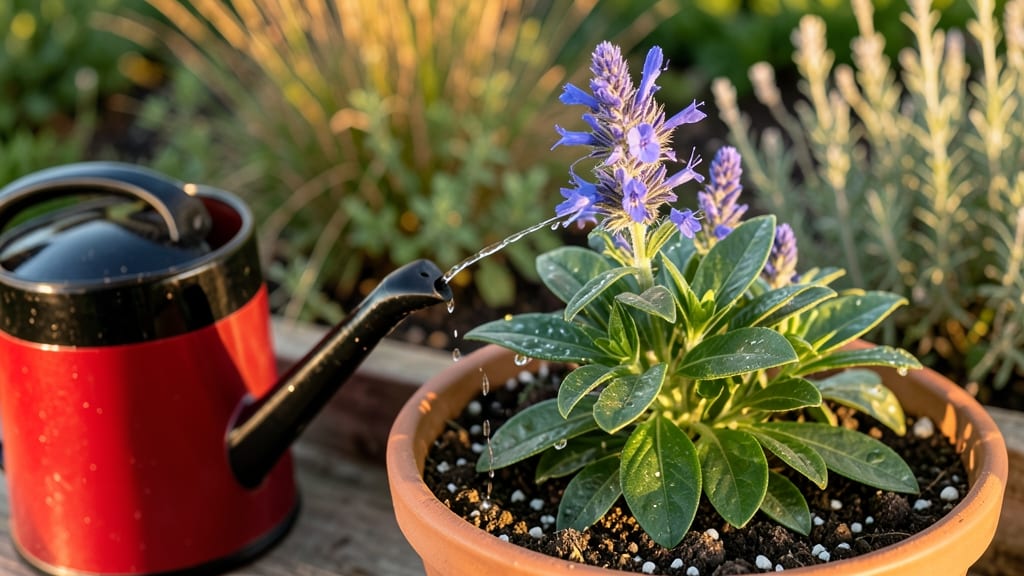
How to care for the angelonia plant rewards you with nonstop summer color—if you give them the right conditions. 🌿 I’ve grown these sun-loving annuals for years, and the secret to their vibrant blue-purple blooms isn’t complicated: full sun, consistent moisture, and a little strategic pruning. Skip any of those, and you’ll end up with leggy stems and sparse flowers. The good news? They’re beginner-friendly once you know their preferences. Angelonia thrives in well-draining soil (no soggy roots!) and bright, direct sunlight for at least 6-8 hours daily. Water when the top inch of soil feels dry—overwatering is their biggest enemy, but they’ll forgive you if you’re consistent. Prune spent blooms regularly to encourage more flowers and keep them compact. By mid-summer, your plants will be bursting with color, attracting pollinators while looking like a pro-designed border. The key is balancing care with hands-off patience—they’re tougher than they look. Once you nail these basics, you’ll have months of effortless blooms with minimal fuss. Works in containers or garden beds, and they even handle light frost if brought indoors. Let’s get those stems sturdy and flowers abundant—your neighbors will be asking for cuttings!
📚 In This Guide
- What you need
- Instructions
- Tips and common mistakes
- Wrapping up and next steps
What you need
- ● Angelonia plants – Start with healthy nursery-grown seedlings or cuttings (choose Angelonia angustifolia varieties like 'Angelface' or 'Summer Snap').
- ● Well-draining potting mix – 5–10 gallons (for containers) or enrich your garden soil with compost (1 part compost to 3 parts native soil).
- ○ Containers (optional but recommended) – 12–18 inch pots with drainage holes (if growing in pots). Use terracotta or fabric pots for best airflow.
- ● Slow-release fertilizer – 10–10–10 or balanced granular fertilizer (e.g., Miracle-Gro All Purpose).
- ● Watering can or hose with a gentle nozzle – Avoid over-saturating the roots.
- ● Pruning shears – Sharp, clean shears (sterilize with rubbing alcohol between cuts).
- ○ Gloves (optional) – To protect hands from soil and thorns.
- ● Mulch – 1–2 inches of organic mulch (e.g., shredded bark) to retain moisture and suppress weeds.
- ● Plant supports (for tall varieties) – Stakes or cages to prevent flopping in windy conditions.
- ● pH testing kit – To ensure soil pH is 6.0–7.0 (angelonias thrive in slightly acidic to neutral soil).
- ● Liquid bloom booster – Like Fish emulsion or seaweed extract for extra color pop.
- ● Shade cloth (30–50%) – For seedlings or scorching afternoons in hot climates.
Step-by-Step instructions for cultivating thriving angelonia plants
Angelonia thrives when you match its bold needs with precise care—here’s how to keep yours blooming like clockwork.
🌱 Step 1: Select the Perfect Planting Spot
Angelonia demands full sun exposure—at least 6-8 hours of direct sunlight daily. Choose a location where it receives morning sun and afternoon light, as intense midday heat can stress the plant. I always check the spot for at least 4 hours of afternoon sun, which is critical for vibrant blooms.
If growing in containers, place them where they’ll get unobstructed sun. Watch for nearby trees or structures casting shade—angelonia wilts quickly in partial shade. You’ll know you’ve got it right when the plant grows upright and sturdy, not stretching toward light.
💧 Step 2: Master Watering for Consistent Blooms
Water angelonia when the top 1-2 inches of soil feel dry to the touch. This plant hates soggy roots but also won’t tolerate drought. I water deeply at the base, avoiding the leaves to prevent fungal issues. A self-watering container helps maintain moisture without overwatering.
During hot spells, you may need to water every 2-3 days. Check the soil with your finger—if it’s dry past your first knuckle, it’s time. Overwatering is the fastest way to kill angelonia, so always let excess water drain completely. You’ll see healthy growth when leaves stay deep green and firm, not yellowing or wilting.
☀️ Step 3: Feed for Nonstop Flowering
Angelonia is a heavy feeder, so I use a balanced liquid fertilizer (10-10-10) every 2-3 weeks during the growing season. Dilute it to half-strength to avoid burning roots. Start fertilizing when you see new growth in spring and continue until late summer.
Look for signs of nutrient deficiency—yellowing leaves or sparse blooms mean it’s time to feed. I also add a slow-release granular fertilizer at planting time for a steady nutrient supply. Stop fertilizing in fall to let the plant prepare for dormancy.
✂️ Step 4: Prune for Bushier Growth and Longer Blooms
Deadhead spent blooms regularly to encourage continuous flowering. Pinch back the stems just above a set of leaves or a leaf node. I do this every 1-2 weeks during peak bloom season. This prevents the plant from putting energy into seed production and keeps it focused on producing more flowers.
In early spring, give angelonia a light pruning to shape it and remove any dead or leggy growth. Cut back about ⅓ of the plant’s height to encourage bushier growth. You’ll see new shoots emerge within 2-3 weeks, signaling it’s responding well to the pruning.
🪴 Step 5: Overwinter for Next Season’s Success
Angelonia is a tender perennial in warm climates but often treated as an annual in cooler regions. If you’re growing it as a perennial, cut back the plant to 4-6 inches tall in late fall. Mulch around the base with 2-3 inches of organic mulch to protect the roots from freezing temperatures.
In colder climates, dig up container-grown angelonia before the first frost and store it indoors in a cool, dry place. Keep it lightly watered every 3-4 weeks to prevent root rot. In spring, repot and return it to the garden once temperatures stay above 50°F at night.
Tips & tricks for perfect angelonia care
Common pitfalls—and how to sidestep every one when growing angelonia. These insights will help you avoid the most frequent mistakes that turn vibrant blooms into struggling survivors.
The Light Factor: Angelonia's love for sunlight is non-negotiable, but quality matters as much as quantity. In Step 1, focus on morning sun and afternoon light rather than just total hours. I've seen plants receive 8 hours of harsh midday glare burn their leaves despite meeting the 6-8 hour requirement. For indoor growers, supplement with grow lights that provide the full 12-14 hours spectrum—regular LED bulbs won't cut it for these sun worshippers.
Pruning Precision: When you reach Step 3 and pinch back those 4-6 inch stems, aim for just above a leaf node where new growth will emerge. I used to cut too close to the main stem, which left unsightly stubs. The key is to make clean cuts at a 45-degree angle to prevent water from pooling. For continuous blooms, I deadhead every 2 weeks but always use sterilized scissors to avoid introducing pathogens that could stress the plant.
Fertilizer Timing: The 4-6 week feeding schedule in Step 4 is perfect, but timing matters just as much as frequency. Always fertilize in the morning when temperatures are cooler and the plant can absorb nutrients more efficiently. I've noticed that fertilizing in hot afternoon sun can actually burn tender new growth. When switching to phosphorus-heavy formulas for bud formation, start this about 6 weeks before your desired bloom time for maximum impact.
Overwintering Strategy: For colder climates, don't wait until the last minute to move your angelonia indoors before hitting that 30°F threshold. I've learned the hard way that sudden temperature drops can shock the plant. Start monitoring weather forecasts and begin the transition process when nighttime temps consistently drop below 40°F. This gradual acclimation gives your plant time to adjust before the real cold hits.
Pro Tips for Care For Angelonia Plant
- Common pitfalls—and how to sidestep every one when growing angelonia.
- The Light Factor: Angelonia's love for sunlight is non-negotiable, but quality matters as much as quantity.
- Pruning Precision: When you reach Step 3 and pinch back those 4-6 inch stems, aim for just above a leaf node where new growth will emerge.
Frequently asked questions
Got questions about keeping your angelonia thriving? Here are answers to common concerns—from pruning to pests—to help you grow stunning blooms with ease!
How often should I water my angelonia plant?
Water your angelonia consistently—about 1-2 times per week, depending on your climate. Let the top inch of soil dry out between waterings to prevent root rot. In hot, dry weather, increase frequency to every 2-3 days. Mulching helps retain moisture!
When and how should I prune angelonia for bushier growth?
Prune angelonia after flowering (late summer/early fall) to encourage new growth. Trim 1/3 of the plant back, cutting just above a leaf node. For continuous blooms, lightly pinch back in spring. Use clean, sharp shears to avoid damage!
What pests commonly attack angelonia, and how do I treat them?
Angelonia is generally pest-resistant, but watch for aphids, spider mites, or whiteflies. Spray with neem oil or insecticidal soap for mild infestations. For severe cases, use horticultural oil or introduce ladybugs. Keep plants healthy to deter pests!
Can angelonia survive in partial shade, or does it need full sun?
While angelonia loves full sun (6+ hours/day), it can tolerate partial shade (4-6 hours)—though blooms may be less vibrant. In shady spots, ensure well-draining soil and fertilize regularly. Avoid deep shade, which can lead to leggy growth.
Are there drought-tolerant alternatives if angelonia struggles in my climate?
If angelonia proves too high-maintenance, try these low-water, sun-loving alternatives:
- Lantana – Drought-resistant with colorful clusters.
- Salvia – Thrives in heat and attracts pollinators.
- Verbena – Hardy and blooms prolifically.
- Zinnia – Fast-growing and great for cut flowers.
Wrapping up and next steps
Caring for your angelonia plant is all about balancing the right conditions—sunlight, water, and soil—to unlock those stunning, snapdragon-like blooms! 🌸 With deadheading, proper spacing, and a little seasonal attention, you’ll enjoy vibrant flowers from spring to frost.
Remember, patience and consistency are key, and soon, your garden will be buzzing with life (and pollinators!).
Ready to watch your angelonia thrive? Start by planting one today—or share your newfound tips with fellow plant lovers! Whether you’re a beginner or a seasoned gardener, every bloom is a reward worth growing. Happy gardening! 🌿