
Orchid Care
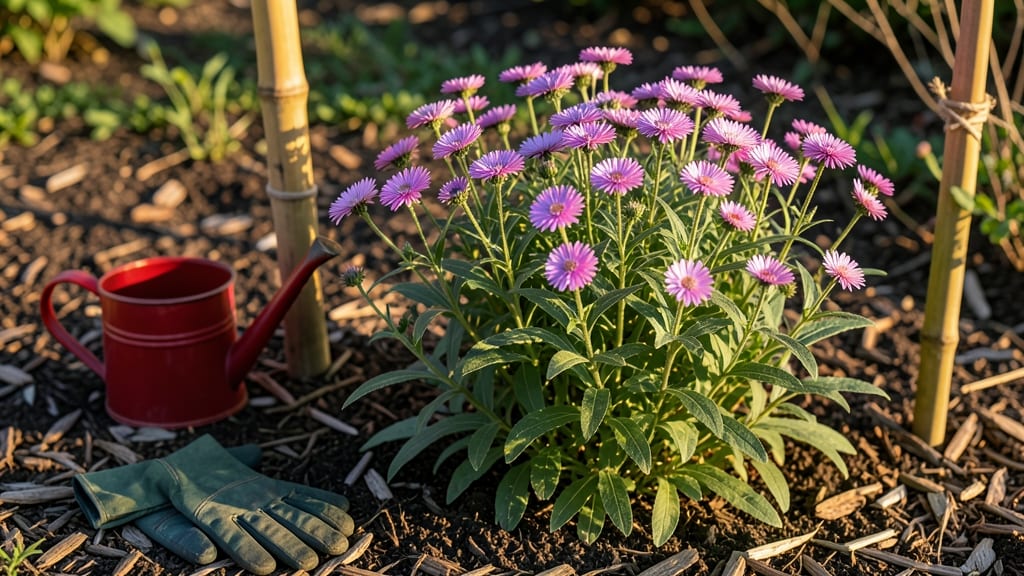
Caring for asters means bold purple blooms from summer to frost—if you nail these four basics. 🌿 I’ve grown New England asters for years, and the secret isn’t complicated: they thrive on neglect but demand one critical thing most gardeners overlook.
The soil needs to drain like a sandy loam, never soggy. Water deeply once a week (more in heat), and fertilize lightly with balanced 10-10-10 in spring. Deadhead spent blooms to encourage more flowers, and prune back by ⅓ in early spring—this keeps them bushy and disease-free.
By summer, you’ll have vibrant clusters that attract butterflies and hummingbirds. The key is consistency: too much water causes rot, too little stunts growth. Even in shade, they’ll reward you with late-season color when other perennials fade. Works for all varieties—China asters, alpine asters, even the tall New England types.
Let’s get those stems sturdy and those blooms popping!
📚 In This Guide
- What you need
- Instructions
- Tips and common mistakes
- Wrapping up and next steps
What you need
- ○ Potting Soil: Well-draining, peat-based or organic mix (10-15 lbs for repotting or 5-10 gallons for in-ground planting). Optional: Add perlite or sand (20-30%) for extra drainage.
- ● Containers: Pots with drainage holes (6-12 inches in diameter for mature plants) or garden beds with loose, fertile soil.
- ● Fertilizer: Balanced liquid fertilizer (10-10-10 or 20-20-20, diluted to half-strength).
- ● Slow-release granules (e.g., 14-14-14) for seasonal feeding.
- ● Watering Can or Hose: With a gentle spray nozzle for hydration without disturbing roots.
- ● Pruning Shears: Sharp, sterilized shears for trimming dead blooms or overgrowth.
- ● Mulch: Organic mulch (e.g., straw or shredded bark) to retain moisture and regulate soil temperature.
- ● Plant Stakes or Supports: For tall varieties (e.g., Symphyotrichum novi-belgii) to prevent flopping.
- ● pH Test Kit: To monitor soil acidity (ideal range: 6.0–7.0).
- ● Insecticide (Natural): Neem oil or insecticidal soap for pest control (e.g., aphids or spider mites).
Step-by-step instructions for caring for aster plants
Here's how to keep your aster blooms vibrant from spring through frost—no guesswork, just results.
🌱 Step 1: Choose the Perfect Planting Spot
Asters thrive in full sun to partial shade, with at least 6 hours of direct sunlight daily. I always plant mine where they get morning sun and afternoon shade in hotter climates—this prevents the flowers from scorching. The soil should drain well; asters hate soggy roots, so avoid low spots where water pools.
Dig a hole twice as wide as the root ball but only as deep. Loosen the roots gently if they're circling—this encourages outward growth. The plant's crown should sit just above soil level; burying it too deep causes rot. Water thoroughly after planting to settle the soil around the roots.
☀️ Step 2: Water Deeply and Consistently
Water asters at the base 1-2 inches deep every 2-3 days until the top inch of soil feels dry. I check by sticking my finger in—if it comes out clean, it's time to water. Avoid wetting the leaves to prevent fungal diseases like powdery mildew, which asters are prone to.
Once established, asters are drought-tolerant, but they'll reward you with bigger blooms if you keep the soil evenly moist. Mulch around the base with 2-3 inches of organic mulch to retain moisture and suppress weeds. This also keeps roots cool during summer heat.
💧 Step 3: Feed for Continuous Blooms
Fertilize asters every 4-6 weeks during the growing season with a balanced, water-soluble fertilizer (like 10-10-10). I mix it at half-strength to avoid burning the roots—too much nitrogen makes them leafy but flower-sparse. Stop fertilizing in late summer to encourage strong fall blooms.
You'll notice the first flush of buds in early summer, but a mid-season feeding boosts their second, more abundant bloom cycle. Look for dark green leaves and sturdy stems—this is your sign the plant is thriving. If leaves yellow, it's either overwatering or a nutrient deficiency.
✂️ Step 4: Prune for Health and More Flowers
Deadhead spent blooms regularly to encourage more flowers. I pinch off faded flowers with my fingers—no need for shears. This redirects the plant's energy from seed production to growing new buds. Cut back leggy stems to 6 inches in early summer to promote bushier growth.
After the first hard frost, cut the entire plant back to 2-3 inches above the ground. This prevents disease overwintering in dead stems and gives the plant a fresh start in spring. I mark the spot with a small stake so I don’t accidentally dig up the crown when spring cleaning.
⏰ Step 5: Overwinter for Next Year's Blooms
Asters are perennial in USDA zones 3-8, but they need protection in colder climates. After cutting back, mound 3-4 inches of mulch around the base to insulate the roots. I use straw or shredded leaves—they break down slowly and add nutrients.
In spring, remove the mulch once new shoots appear, usually in late April or early May. Water lightly to help the soil warm up gradually. You'll see fresh growth within 2-3 weeks—this is your cue to start fertilizing again for the new season.
Tips & tricks for perfect aster plant care
Between us, these little details make all the difference between asters that just survive and ones that thrive like showstoppers.
Lighting Strategy: I learned this the hard way after watching my asters wilt in afternoon sun—morning sun is your best bet in hot climates. If you must plant in full sun all day, choose varieties like 'Alma Potschke' which handles heat better. The key is that 6 hours of sunlight must be gentle, not scorching. Watch for leaves curling or browning at the edges—this is your plant's SOS signal for too much direct heat.
Watering Wisdom: That 1-2 inch deep watering every 2-3 days is non-negotiable, but here's what nobody tells you: water in the morning. This gives leaves all day to dry, preventing fungal infections. I use a rain gauge to track rainfall—if we get 1 inch of rain, I skip watering that cycle. And always water at the base, never overhead, to keep those leaves dry and disease-free.
Fertilizer Timing: The 4-6 week feeding schedule works, but I've found the real magic happens with a mid-season boost. Around July 4th, I give my asters a light feeding with a higher phosphorus fertilizer (like 5-10-5) to push that second bloom cycle. Stop fertilizing after August 15th—this signals the plant to harden off for winter. Too late feeding leads to tender new growth that won't survive frost.
Pruning Precision: When you're cutting back those leggy stems to 6 inches in early summer, here's my secret: use clean, sharp pruners and make cuts just above a leaf node. This encourages branching and bushier growth. After the first frost, I cut back to 2-3 inches but leave a few stems standing—these often produce surprise spring blooms before the main season.
Pro Tips for Care For Aster
- Between us, these little details make all the difference between asters that just survive and ones that thrive like showstoppers.
- Lighting Strategy: I learned this the hard way after watching my asters wilt in afternoon sun—morning sun is your best bet in hot climates.
- Watering Wisdom: That 1-2 inch deep watering every 2-3 days is non-negotiable, but here's what nobody tells you: water in the morning.
Frequently asked questions
Got questions about keeping your aster plants happy and blooming? You’re not alone! Here are answers to the most common queries—from seasonal care to troubleshooting—so you can enjoy vibrant flowers all year.
When is the best time to plant asters?
Asters thrive when planted in early spring (after the last frost) or early fall. This gives their roots time to establish before extreme heat or cold. For container gardening, plant anytime in mild climates—just ensure well-draining soil and consistent moisture. Pro tip: Harden off seedlings if starting indoors!
How often should I water aster plants?
Water asters 1–2 times per week, ensuring the top 1–2 inches of soil stay moist but not soggy. Drought-tolerant once established, but they wilt quickly in dry spells. Mulch around the base to retain moisture, and water deeply in the morning to prevent fungal issues. Overwatering = root rot!
Why aren’t my asters blooming?
Non-blooming asters often lack sunlight, nutrients, or deadheading. Ensure they get 6+ hours of sun daily and fertilize with a balanced bloom booster (like 10-10-10) every 4–6 weeks. Deadhead spent blooms to encourage new flowers—and avoid overcrowding! Bonus: Pinch back leggy stems in early summer for bushier growth.
Can asters survive winter outdoors?
Most aster varieties are hardy to USDA zones 3–9, but young plants or tender types need protection. Cut back foliage to 2–3 inches in late fall, then mulch heavily (3–4 inches) with straw or shredded leaves. Evergreen varieties (like Symphyotrichum) may stay green year-round with light winter care.
What are some low-maintenance alternatives to asters?
If asters seem high-maintenance, try these perennial workhorses:
- Coneflowers (Echinacea): Drought-tolerant, pollinator magnets.
- Black-eyed Susans (Rudbeckia): Thrives in poor soil, long bloom time.
- Shasta Daisies (Leucanthemum): Classic, cut-and-come-again blooms.
- Russian Sage (Perovskia): Silvery foliage, zero-fuss perennial.
Wrapping up and next steps
Caring for aster plants is all about patience, consistency, and a little love—and the rewards are stunning! 🌸 With the right balance of sunlight, water, soil, and seasonal adjustments, your aster blooms will thrive year after year. Remember, even the most vibrant gardens start with small, mindful steps.
Ready to watch your aster plants shine? Start small: pick one tip from this guide—like adjusting watering or pruning—and observe how your plants respond. Soon, you’ll be a pro, and your garden will be the talk of the neighborhood! 🌟