
Pruning
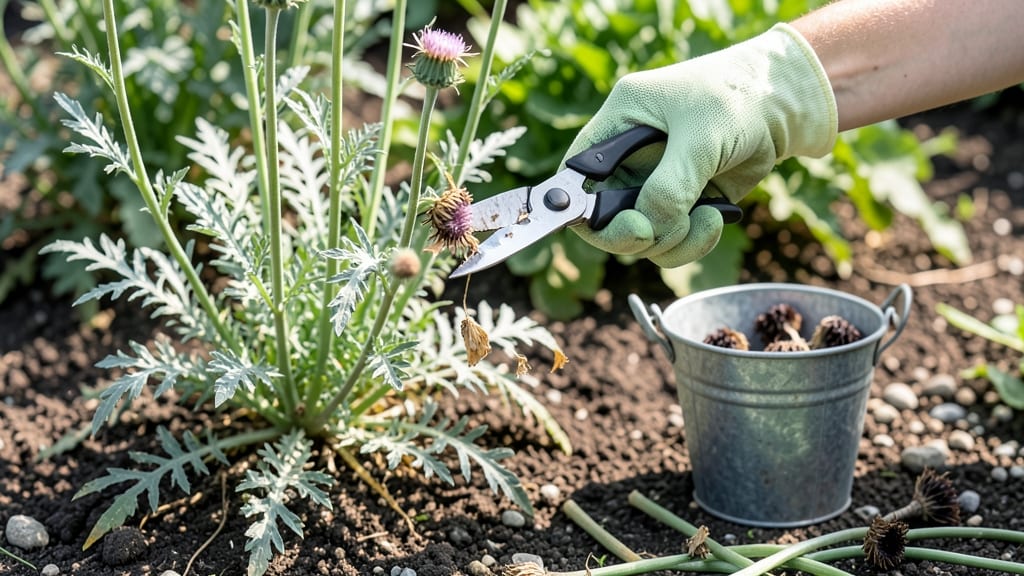
How to deadhead cornflowers keeps them blooming all summer. 🌸 After my first cornflower plant faded early last year, I learned this simple trick that turned one plant into a nonstop blue cloud of flowers—no extra fertilizer or fuss. The secret lies in timing and technique, and it works for any cornflower variety.
You’ll need just two things: sharp pruners and a sunny day. The best time to deadhead is right after a flower fades—before it forms seed heads. A quick cut above the next set of leaves (about ½ inch down) keeps the plant focused on new blooms instead of seed production.
Gloves help if your plants are prickly.
Within days, you’ll see fresh buds opening where faded blooms once were. My plants now produce flowers for 8+ weeks instead of just a few weeks, and they stay bushier with fewer leggy stems. The more you deadhead, the more your cornflowers reward you with vibrant color.
Works for both garden beds and containers, and the same method applies to other long-blooming annuals like zinnias or cosmos. Here’s exactly how to do it without ruining your plants—no green thumb required.
📚 In This Guide
- What you need
- Instructions
- Tips and common mistakes
- Wrapping up and next steps
What you need
- ● Sharp pruning shears or garden scissors – Opt for bypass pruners (clean cuts!) or small, sharp scissors. Avoid dull tools to prevent crushing stems.
- ○ Gloves (optional but recommended) – A pair of gardening gloves (lightweight, breathable) to protect your hands from prickly stems or thorns.
- ● Water spray bottle or hose – A 1-gallon spray bottle (for precision) or a gentle hose nozzle to rinse off debris after trimming.
- ● Bucket or trash bag – A small 5-gallon bucket or sturdy bag to collect spent blooms and stems.
- ● Sunny day or overcast morning – Deadhead on a dry, calm day (avoid wet or windy conditions) to keep your garden tidy and prevent disease.
- ● Knee pad or stool – For comfort if your cornflowers are tall or you’re working in a large garden.
- ● Disinfectant spray (70% isopropyl alcohol) – Spray pruners between cuts to prevent bacterial spread.
- ● Floral preservative (for cut flowers) – If you’re harvesting blooms for bouquets, a clear vase solution extends their life.
- ● Notebook & pen – Jot down notes on bloom cycles or garden layout for future reference!
Step-by-Step instructions for deadheading cornflowers
Here's my foolproof method to keep your cornflowers blooming like crazy all season long.
✂️ Step 1: Wait for the Right Blooms to Deadhead
Only deadhead cornflowers after they've finished blooming and the petals start to wilt. Look for flowers where the petals have fully opened and begun to droop slightly—this is your signal that the bloom cycle is complete. I always check in the morning when the dew has evaporated, as this gives me the clearest view of which flowers are ready.
Never cut healthy blooms in full color. You want to remove only the flowers that have already finished their show. This ensures you're not cutting off potential new buds that could still develop. If you're unsure, wait one more day—cornflowers are forgiving and will keep blooming even if you're a day late.
✂️ Step 2: Make the Perfect Cut
Use clean, sharp pruning shears or scissors to make your cut. Angle the blade just above a set of healthy leaves or a side bud. This encourages the plant to branch out and produce even more flowers. I like to make my cut about ½ inch above the leaf node—this gives the plant enough energy to regrow while keeping the cut neat and tidy.
Don't cut too close to the leaves or stem, or you risk damaging the plant. A clean cut also prevents disease from entering the plant through jagged edges. If you're working with a large cluster of cornflowers, take your time and make each cut deliberately—rushing leads to uneven cuts and can stress the plant.
✂️ Step 3: Remove Only the Spent Blooms
Focus solely on the spent blooms—don't be tempted to trim back the entire stem. Cornflowers are annuals and will naturally die back as the season progresses, so cutting back too much will only shorten their overall blooming time. Instead, just remove the faded flowers and leave the rest of the plant intact.
If you notice any stems with multiple spent blooms, you can trim them back to just above the lowest healthy set of leaves. This helps redirect the plant's energy toward producing new blooms rather than maintaining old ones. Just be sure to leave at least a few leaves on the stem to keep the plant healthy.
🌱 Step 4: Keep Up the Routine
Deadheading cornflowers is an ongoing process, not a one-time task. Check your plants every 2-3 days during peak blooming season to remove any spent flowers. This frequent maintenance keeps your cornflowers looking fresh and encourages continuous blooming. I set a reminder on my phone to check them in the morning—it only takes a few minutes and makes a huge difference.
As the season progresses, you'll notice that some stems produce fewer blooms. This is normal and a sign that the plant is focusing its energy on seed production. At this point, you can reduce your deadheading frequency, but keep an eye out for any new blooms that pop up—removing those spent flowers will keep your garden looking its best right up until frost.
💧 Step 5: Water and Feed for Long-Lasting Blooms
After deadheading, give your cornflowers a good drink of water to help them recover. Water at the base of the plant in the early morning to allow the foliage to dry out during the day, which reduces the risk of fungal diseases. I always water until the soil is moist about 2 inches down—this ensures the roots have enough hydration to support new growth.
For extra-long blooming, feed your cornflowers with a balanced, water-soluble fertilizer every 2-3 weeks during the growing season. This gives them the nutrients they need to produce more flowers. I use a 10-10-10 fertilizer diluted to half strength—this prevents overfeeding, which can lead to lush foliage but fewer blooms. Always water the plants well before and after fertilizing to avoid burning the roots.
Tips & tricks for perfect cornflower maintenance
These simple strategies will help you keep your cornflowers blooming beautifully all season long.
Timing is Everything: The 2-3 day routine mentioned in Step 4 is perfect for peak blooming, but I've found that checking every 3-4 days works just as well if you're busy. The key is consistency—even if you miss a day, don't panic. Cornflowers are hardy and will forgive occasional lapses. Just get back on track as soon as you can. The plant responds best to regular attention rather than perfect timing.
Tool Selection: While pruning shears are ideal, don't stress if you only have regular scissors. Just make sure they're clean and sharp—dull tools crush stems and create jagged cuts that invite disease. I keep a small pair of clean scissors dedicated just to garden tasks to avoid cross-contamination with kitchen or other tools. A clean cut at a 45-degree angle (just above that leaf node) is what really makes a difference in plant health.
Seasonal Adjustments: As the season progresses and you notice fewer blooms, that's your cue to shift focus. Instead of deadheading every 2-3 days, check your plants every 5-7 days during late summer. This gives the plant energy to produce seeds while still keeping your garden looking tidy. The goal shifts from continuous blooms to maintaining plant health for next year's growth.
Disease Prevention: After deadheading, I always wipe down my tools with rubbing alcohol to prevent spreading any potential pathogens. Also, avoid working with wet plants—this is when fungal diseases like powdery mildew can take hold. If you must deadhead in the evening, wait until the foliage has dried completely. The morning check mentioned in Step 1 is perfect because dew has evaporated, leaving plants dry and ready for trimming.
Pro Tips for Deadhead Cornflowers
- These simple strategies will help you keep your cornflowers blooming beautifully all season long.
- Timing is Everything: The 2-3 day routine mentioned in Step 4 is perfect for peak blooming, but I've found that check...
- Tool Selection: While pruning shears are ideal, don't stress if you only have regular scissors. Just make sure they'r...
Frequently asked questions
Got questions about deadheading cornflowers? You’re not alone! Here are answers to the most common queries to keep your garden thriving with vibrant blooms.
When is the best time to deadhead cornflowers?
Deadhead cornflowers after they’ve fully bloomed but before their seed pods form. Aim for early morning when flowers are dry—this prevents mold and keeps your garden tidy. Repeat every 2–3 days for continuous blooms!
Do I need special tools to deadhead?
Nope! A sharp pair of clean scissors or pruners works best, but you can also pinch blooms with your fingers. Just avoid tearing stems—clean cuts encourage healthier regrowth. Pro tip: Sterilize tools with rubbing alcohol between plants to prevent disease.
What if I miss deadheading and seed pods form?
Don’t stress! Seed pods are harmless and can even attract pollinators. If you want to remove them, snip just above the next set of leaves (not the stem base). For next year, collect seeds to replant or let nature handle it—cornflowers self-seed easily!
Can I deadhead cornflowers in rain or after heavy watering?
Wait until plants are completely dry to avoid spreading fungal spores. Wet stems or flowers can rot if cut improperly. If rain is in the forecast, deadhead in the morning so blooms have time to dry before evening moisture sets in.
Will deadheading stop cornflowers from blooming?
Not at all! Deadheading encourages more flowers by redirecting the plant’s energy toward new buds. Without it, cornflowers may focus on seed production instead. Think of it as giving your plants a little “bloom boost”!
Wrapping up and next steps
Deadheading cornflowers is your secret weapon for a garden bursting with vibrant blooms all season long! 🌸 With just a pair of clean shears and a little patience, you’ll keep your plants healthy, encourage new growth, and enjoy a nonstop show of color.
Remember, consistency is key—check your flowers regularly and trim with confidence.
Ready to take your gardening game to the next level? Try deadheading a few stems today and watch your cornflowers thrive! For even more tips, explore how to extend the blooming season with other pruning techniques.