
Pruning
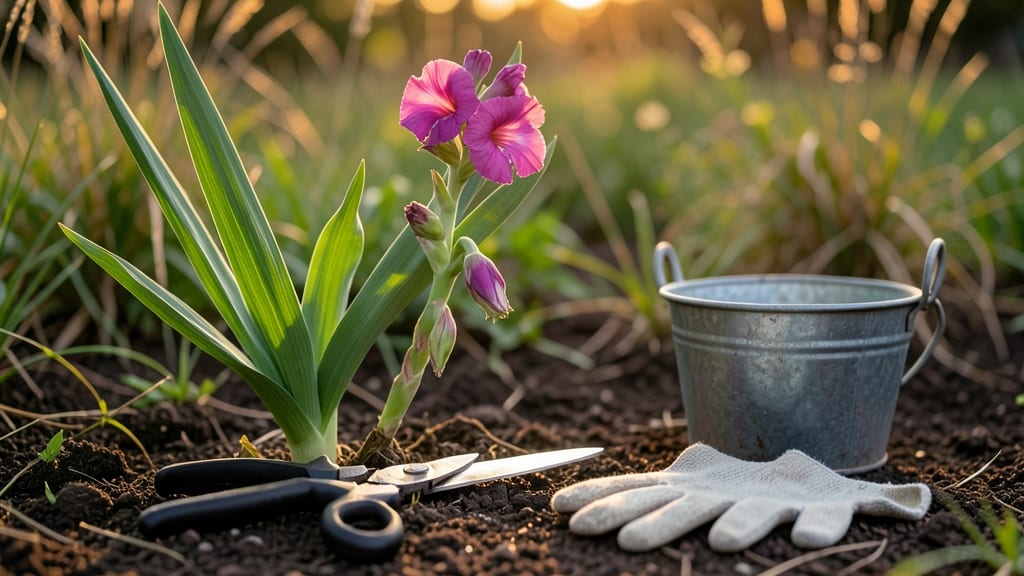
Gladioli demand a simple snip to keep blooming all summer. ✨ I learned the hard way—skipping deadheading means fewer flowers and more seed pods. The secret is timing and technique, not fancy tools. You’ll need clean pruners and a sunny day after blooms fade.
Cut stems just above the next healthy bud, never below. This redirects energy to side shoots, giving you weeks of extra flowers instead of one-time blooms. Most varieties respond the same way, but check your specific type—some heirlooms produce stunning seed heads worth saving.
The key is consistency: check plants twice weekly during peak bloom. Mistakes like cutting too low or using dirty tools spread disease. With this method, your gladioli will stay vibrant until frost—no guesswork, just results.
📚 In This Guide
- What you need
- Instructions
- Tips and common mistakes
- Wrapping up and next steps
What you need
- ● Sharp pruning shears or garden scissors – Choose a pair with bypass blades (not anvil-style) for clean cuts. A 4- to 6-inch blade works best for precision.
- ● Clean, disinfected gloves – Protect your hands and prevent spreading disease. Opt for nitrile or latex gloves for grip and durability.
- ● Small bucket or wheelbarrow – A 5-gallon capacity is ideal for collecting spent blooms and debris.
- ● Compost bin or bag – For repurposing deadheaded flowers into nutrient-rich compost.
- ● Hand sanitizer or rubbing alcohol – Quickly disinfect tools between cuts to avoid bacterial spread.
- ● Knee pad or stool – For comfort if you’re working with tall gladioli beds.
- ● Spray bottle with water – Keeps blades cool and prevents clogging with sap.
Instructions for deadheading gladioli: a simple snip to keep them blooming
This foolproof method takes just minutes and keeps your gladioli flowering for weeks longer.
✂️ Step 1: Wait for the Right Moment
Deadhead when the blooms open fully but before they start wilting—usually when the petals are fully unfurled but still firm to the touch. I check my gladioli daily at this stage because once they begin drooping, the plant diverts energy to seed production instead of new blooms.
Use sharp, clean pruners or your fingers (if the stems are thin enough) to pinch or snip. The goal is to remove the entire spent flower head cleanly. Never leave any flower stalk behind—those nodes can sprout new blooms if you're impatient, but they'll be smaller and weaker than fresh growth.
🌱 Step 2: Cut at the Correct Spot
Make your cut just above the first set of healthy leaves below the spent bloom—this is where new buds will form. I like to look for the leaf node that's about 2-3 inches below the flower head. This ensures you're not cutting into the next potential bloom and that the plant has enough energy to produce a strong replacement.
If you're unsure where to cut, imagine drawing a line at the base of the flower stalk where it meets the stem. Then, cut about ½ inch above that line. This prevents water from pooling in the stem and keeps the plant healthy. The cut should be clean—no jagged edges that could invite disease.
💧 Step 3: Encourage New Growth with Proper Care
After deadheading, give your gladioli a drink of water to help them recover. Water deeply at the base of the plant, ensuring the soil is moist but not soggy. Gladioli are drought-tolerant once established, but they'll reward you with more blooms if you keep the soil consistently moist during their active growing season.
Here's the thing—gladioli need full sun (6+ hours daily) to produce their best blooms. If your plants start looking leggy or the stems stretch too tall, they're reaching for more light. You'll see new buds forming within 1-2 weeks if the conditions are right. Keep an eye out for fresh growth emerging from the leaf nodes you left intact.
☀️ Step 4: Repeat for Continuous Blooms
Gladioli are repeat bloomers, and this is where the magic happens. As long as you keep deadheading the spent flowers and the plant has enough energy, you'll get a steady stream of new blooms. I've had gladioli in my garden flowering for 6-8 weeks with consistent deadheading.
Don't stop just because the first flush of blooms fades. Keep snipping those spent flowers, and your gladioli will keep producing. Real talk: the later blooms might not be as large as the first ones, but they'll still add color to your garden. Plus, you'll have cut flowers for weeks longer than if you'd let them go to seed.
Tips & tricks for perfect gladiolus deadheading
Here's what nobody tells you about keeping your gladioli blooming like clockwork.
Timing is Everything: I learned this the hard way after watching my first batch of gladioli go to seed prematurely. The key is to deadhead in the morning when blooms are fully open but still firm. Check daily during peak bloom season—those petals should feel like crisp paper, not wilted silk. If you wait until they droop, you've missed the window for new blooms.
Tool Matters More Than You Think: Sharp pruners are non-negotiable for clean cuts. I keep a pair dedicated just to deadheading because dull blades crush stems and invite disease. For thin stems, fingers work fine, but always make the cut clean—no jagged edges. Think of it like giving your plant a fresh haircut rather than a messy buzz cut.
Sunlight Secret: Those 6+ hours of full sun aren't just about initial growth—they're what keeps your gladioli producing new blooms after deadheading. I've noticed that plants in partial shade might take longer to show new buds (sometimes up to 3 weeks instead of the usual 1-2 weeks). If your garden has shady spots, consider moving potted gladioli to sunnier locations during their blooming season.
Watering Wisdom: After deadheading, give your plants a deep drink—but don't drown them. I water at the base until moisture reaches 6 inches down, then let the soil dry slightly before watering again. Overwatering causes root rot, which can kill your plants faster than any disease. Think "moist, not soggy" for best results.
Pro Tips for Deadhead Gladioli
- Here's what nobody tells you about keeping your gladioli blooming like clockwork.
- Timing is Everything: I learned this the hard way after watching my first batch of gladioli go to seed prematurely.
- Tool Matters More Than You Think: Sharp pruners are non-negotiable for clean cuts.
Frequently asked questions
Got questions about deadheading gladioli? You’re not alone! Here are answers to the most common queries to help you keep your garden blooming beautifully.
When is the best time to deadhead gladioli?
Deadhead gladioli as soon as blooms fade—typically in late summer to early fall. This prevents seed formation, redirects energy to new growth, and extends your bloom season. Wait until flowers wilt but before they turn brown or drop on their own.
Do I cut the entire flower stalk or just the blooms?
Cut only the spent blooms (or the entire flower head if it’s fully wilted). Avoid pruning the lower leaves or the stalk itself—this removes food-producing foliage. For a cleaner look, trim just above the first healthy leaf or bud below the bloom.
What if I miss deadheading? Will my gladioli still rebloom?
If you skip deadheading, gladioli may still produce some blooms, but they’ll focus energy on seed pods instead. You might see fewer flowers or shorter stalks. Regular deadheading ensures stronger, longer-lasting blooms—worth the 2-minute effort!
Can I deadhead gladioli in rain or humidity?
Deadhead on dry days to avoid fungal issues or soggy cuts. If you must prune after rain, wait until the foliage dries (usually a few hours). Wet conditions can spread disease, so clean your shears with rubbing alcohol between cuts for extra safety.
Are there alternatives to deadheading for lazy gardeners?
If deadheading feels tedious, try pinching spent blooms with your fingers (no tools needed!) or letting them self-seed for next year’s garden. Just note that self-seeded gladioli may not match the parent plant’s vigor or color.
| Quick Tip | Pro Move |
|---|---|
| Use sharp scissors or pruners to avoid crushing stems. | Deadhead every 2–3 days during peak bloom for maximum results. |
| Wear gloves if your gladioli have thorns (some varieties do!). | Compost deadheaded blooms—they’re nutrient-rich! |
Wrapping up and next steps
Deadheading gladioli is a simple yet powerful way to keep your garden vibrant and encourage longer, showier blooms—no green thumb required! 🌸 By snipping spent flowers at the right time and with the right tools, you’ll not only boost next year’s growth but also enjoy a stunning display all season.
Now that you’re armed with the know-how, grab those shears and get pruning—your gladioli will thank you with bold, healthy blooms for weeks to come.
Ready to take it further? Plan your next steps:
- 📅 Mark your calendar for seasonal deadheading reminders.
- 🌱 Fertilize lightly after pruning to support new growth.
- 📸 Snap photos of your progress—share your garden wins!