
Pruning
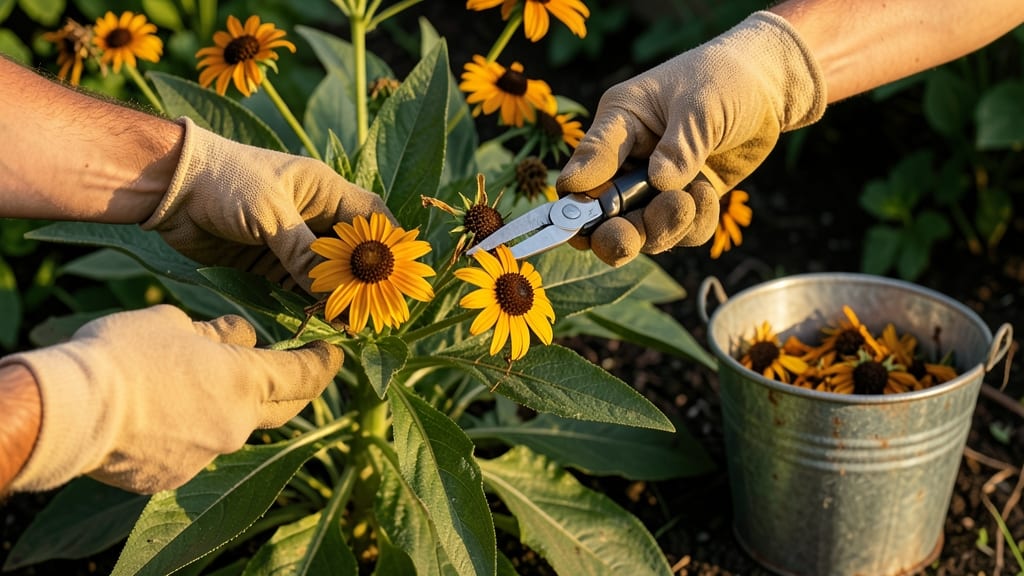
Deadheading rudbeckia isn’t just about tidy flowers—it’s the secret to nonstop summer blooms until frost. 🌻 I’ve watched my golden coneflowers go from sporadic blooms to a six-week flowering marathon just by spending 10 minutes every two weeks with the right technique.
The tools are simple: sharp pruners (or even clean scissors), gloves for thorny stems, and a clear day when the flowers are dry. Timing matters too—cut back right after the petals fade but before the seed head turns brown, or you’ll trigger a second flush of blooms. Over-pruning?
That’s how you end up with bare stems by August. What you’ll get is a plant that keeps producing instead of putting energy into seed heads. The flowers stay vibrant, the stems stay sturdy, and you’ll have more cut stems for arrangements than you know what to do with.
Just avoid cutting into the green center—leave that for next season’s blooms. This method works for all rudbeckia varieties, from the classic ‘Goldsturm’ to dwarf types. The key is consistency: 10 minutes every couple weeks keeps your plants looking fresh and flowering like crazy until the first hard frost.
Let’s get those stems trimmed!
📚 In This Guide
- What you need
- Instructions
- Tips and common mistakes
- Wrapping up and next steps
What you need
- ● Pruning shears or sharp garden scissors: Choose a pair with clean, sharp blades (4–6-inch blades work best for precision). Pro tip: Disinfect with rubbing alcohol before and after use to prevent disease spread! 💡
- ○ Gloves (optional but recommended): Lightweight gardening gloves protect your hands from thorns (some Rudbeckia varieties have them!) and dirt. Look for breathable, flexible material.
- ● Bucket or trash bag: A small container (5-gallon size) to collect spent blooms and debris. Line it with a plastic bag for easy cleanup.
- ○ Water spray bottle (optional): A 16–32 oz bottle with a fine mist nozzle helps rinse off pollen or dirt before pruning.
- ● Compost bin or pile: For repurposing spent flower heads—rich in nutrients for your garden! 🌿
- ● Knee pads: If you’re working close to the ground, these save your joints during long sessions.
- ● Hand lens or magnifying glass: Helpful for spotting hidden buds or pests in dense foliage.
- ● Pruning saw (for large clumps): Only needed if your Rudbeckia has thick, woody stems—use a fine-tooth saw for clean cuts.
- ● Fertilizer (balanced 10-10-10 or bloom booster): Apply after deadheading to encourage new growth (follow package rates!).
Step-by-step instructions for deadheading rudbeckia
Here's how to keep your rudbeckia blooming all season with just a few snips.
✂️ Step 1: Identify the Right Blooms to Trim
Wait until at least 50% of the petals have fallen naturally or turned brown. This tells you the flower has fully matured and set seed. You'll notice the center cone becomes prominent as petals drop—this is your cue to act. I always check in the morning when dew is present; the contrast between fresh and spent petals is easiest to spot then.
Leave the first few blooms on the plant if you want seeds for next year. The rest can go. Focus on flowers that are fully open and showing signs of fading rather than those still in bud form. This ensures you're not accidentally removing potential future blooms.
✂️ Step 2: Use the Proper Cutting Technique
Grab your pruners and make a clean cut just above the next set of leaves or side bud. You'll see a small bump or growth point where new stems emerge—this is where the plant will send out fresh growth. Cutting here prevents the plant from putting energy into an empty stem. I like to hold the stem at a slight angle to avoid tearing the tissue.
Never cut into the main stem unless you're ready to prune back the entire plant. Rudbeckia is hardy and will regrow, but it's better to encourage multiple side shoots by cutting back to lateral buds. This creates a bushier, more productive plant with more blooms.
🌿 Step 3: Encourage New Growth After Deadheading
After trimming, step back and observe the plant's shape. You'll notice new side buds forming where you made your cuts—this is the plant's way of compensating for the removed flowers. Water the base thoroughly right after pruning to help the plant recover and stimulate new growth. I use a gentle spray to avoid disturbing the soil around the roots.
Rudbeckia responds well to regular deadheading, so repeat this process every 1-2 weeks throughout the blooming season. You'll see a noticeable increase in new flowers within 7-10 days of consistent pruning. The key is to stay on top of it—don't let spent blooms linger for more than a week.
☀️ Step 4: Maintain Light and Water for Extended Blooming
Ensure your rudbeckia gets full sun (6+ hours daily) after deadheading. The plant needs energy to produce new blooms, and sunlight is the primary driver. If you notice leaves wilting or stems growing leggy, it's a sign the plant isn't getting enough light. Move it to a sunnier spot if possible.
Water deeply once a week (or more in extreme heat) to encourage strong root growth. The soil should be dry to the touch 1-2 inches down before watering again. Mulch around the base with 2-3 inches of organic mulch to retain moisture and protect roots. This simple step can make a huge difference in how long your rudbeckia continues to bloom.
⏰ Step 5: Time Your Final Pruning for Fall
When the first frost threatens, give your rudbeckia one last look. If the stems are still green and upright, cut them back to 4-6 inches tall to promote new growth in spring. This late pruning removes dead foliage and prevents disease from overwintering in the plant. I always use clean, sharp pruners to make the cuts—dull tools can crush stems and invite infection.
Leave the cut stems in place until spring unless pests like slugs are a problem in your area. The dried stems provide winter interest and protect the crown from temperature swings. Mark the spot with a small stake so you don't accidentally dig it up when clearing garden debris in early spring.
Tips & tricks for perfect rudbeckia deadheading
These simple tricks will help you keep your rudbeckia blooming beautifully all season long.
Timing is Everything: The 1-2 week interval between deadheading sessions is key—this matches the plant's natural growth cycle. I've found that morning is the best time to check for spent blooms, as dew makes it easier to spot the contrast between fresh and fading petals. If you notice more than a few flowers starting to seed, it's time to act before they divert energy away from new blooms.
Tool Matters: Always use sharp, clean pruners for deadheading. Dull tools crush stems instead of making clean cuts, which can introduce disease. I like to wipe my pruners with rubbing alcohol between cuts to prevent spreading any potential pathogens. A small pair of pruners is perfect for reaching into tight spaces where rudbeckia often grows.
Visual Cues for Success: After deadheading, look for new side buds forming at the base of where you cut. These tiny growth points are your plant's way of telling you it's ready to produce more flowers. If you don't see new buds within 7-10 days, your plant might need more sunlight or water. This visual feedback is the best indicator that your pruning is working.
Seasonal Strategy: For fall pruning, cutting back to 4-6 inches tall gives the plant enough energy to establish strong roots before winter. I've noticed that plants pruned this way often bloom even more vigorously the following spring. If you're in a colder climate, consider adding a light layer of mulch after your final pruning to protect the crown from freezing temperatures.
Pro Tips for Deadhead Rudbeckia
- These simple tricks will help you keep your rudbeckia blooming beautifully all season long.
- Timing is Everything: The 1-2 week interval between deadheading sessions is key—this matches the plant's natural growth cycle.
- Tool Matters: Always use sharp, clean pruners for deadheading.
Frequently asked questions
Got questions about deadheading Rudbeckia? You’re not alone! Here are answers to the most common ones to keep your black-eyed Susans thriving.
When is the best time to deadhead rudbeckia?
Deadhead Rudbeckia as soon as the flowers fade—usually in late spring or summer, depending on your climate. This encourages more blooms and prevents seed formation. For fall-blooming varieties, wait until after the first frost to avoid cutting back too early.
Do I need special tools to deadhead rudbeckia?
Nope! A clean pair of pruners or even your fingers work great. Just avoid cutting into the green foliage—focus on the spent blooms and stems just above a leaf node. For large clumps, hand pruners make the job easier and faster.
Will deadheading rudbeckia stunt its growth?
Not at all! Deadheading actually promotes bushier, healthier growth by redirecting energy to new blooms. Just avoid over-pruning—never trim more than ⅓ of the plant at once. Rudbeckia is hardy and rebounds quickly with proper care.
What if my rudbeckia keeps producing seeds instead of blooming?
If your plant is seed-heavy, it’s likely not getting enough deadheading. Try snipping off seed heads immediately after they fade. Also, ensure it gets full sun (6+ hours daily) and well-draining soil—stressed plants focus on survival, not flowers.
Can I deadhead rudbeckia in fall or winter?
For most varieties, wait until spring to prune back dead stems. However, if you’re dealing with a messy, overgrown clump in late fall, you can cut back stems to 6–12 inches above the ground. Just leave the foliage for winter interest (and to protect the crown).
Wrapping up and next steps
Deadheading rudbeckia is a simple yet powerful way to keep your garden vibrant and blooming all season long! 🌸 With just a few minutes of care, you can encourage more flowers, prevent seed formation, and enjoy a longer display of those cheerful golden-yellow blooms.
Now that you’re equipped with the right tools and techniques, grab your pruners and head outside—your rudbeckia will thank you!
Ready for even more gardening tips? Try experimenting with companion plants to boost your rudbeckia’s growth or explore other low-maintenance perennials to add to your landscape. Happy pruning! ✂️