
Blooming
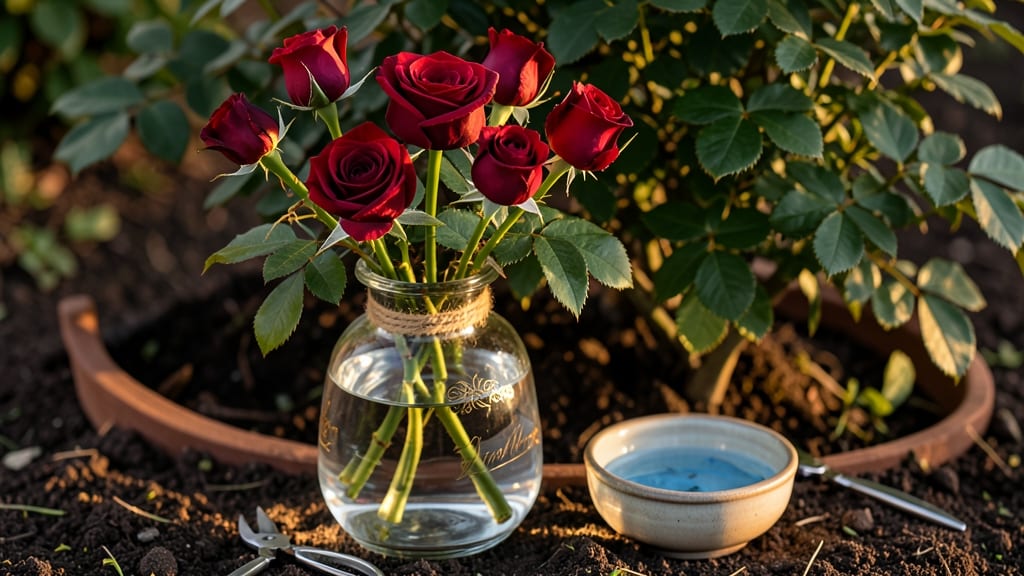
Long-stem roses deserve a display as dramatic as their blooms. ✨ I used to let them languish in basic vases, but after experimenting with garden-friendly arrangements, I discovered how to make them the star of any outdoor space—without sacrificing freshness.
The secret starts with the right vessel: vintage milk cans, terracotta urns, or even repurposed garden tools add rustic charm while keeping stems hydrated.
For maximum freshness, recut stems at an angle every 2-3 days and change the water every 48 hours—this simple habit extends vase life by nearly a week.
Imagine roses spilling over a patio table, framing a garden arch, or lining a winding path—each arrangement becomes a living centerpiece. The key is balancing height and texture: pair tall stems with trailing foliage like ivy or ferns for a lush, layered look that feels effortless yet intentional.
Seasonal swaps keep displays fresh: swap heavy glass vases for lightweight ceramic in summer, or use heated vases in winter to prevent freezing. Even a single stem in a simple mason jar on a windowsill becomes a focal point—proof that great displays don’t need complexity, just intention.
📚 In This Guide
- What you need
- Instructions
- Tips and common mistakes
- Wrapping up and next steps
What you need
- ● Long-stem roses: 3–12 stems (depending on vase size), with stems trimmed to at least 12 inches in length. Choose buds or partially bloomed roses for longer vase life.
- ● Clean vase: A tall, narrow vase (e.g., glass, ceramic, or crystal) with a minimum diameter of 3–4 inches to accommodate stems without overcrowding.
- ● Fresh water: Room-temperature or slightly warm water (about 1–2 cups, depending on stem count). Avoid tap water with high chlorine—let it sit out for 24 hours or use filtered water.
- ○ Floral preservative: A commercial floral food packet (like Floralife or FTD) or a DIY mix (see optional section below).
- ● Sharp floral shears or pruners: Clean, sterilized shears to avoid crushing stems and blocking water uptake.
- ● Newspaper or towel: For trimming and cleaning stems to minimize bacteria.
- ● DIY floral preservative: Mix 1 tsp sugar + 1 tsp bleach (or ½ tsp white vinegar) + 1 quart water for a budget-friendly boost.
- ● Vase liner or floral foam: For vases without a narrow neck (e.g., mason jars). Use clear floral tape to secure stems.
- ● Decorative elements: Gravel, pebbles, or marbles (cleaned) to weigh down stems and keep them submerged.
- ● Ribbon or twine: For wrapping stems or adding a rustic touch to the vase.
- ● Pruning sealant: A commercial product like Floral Seal to coat freshly cut stems and lock in moisture.
Step-by-Step instructions for creating a stunning long stem rose display
Here’s how to showcase those luscious roses with professional flair while keeping them fresh for days.
🪴 Step 1: Prep Your Vase for Hydration and Stability
Choose a clean vase with a narrow neck—this creates a tight seal around the stems, preventing air from entering and slowing water loss. I like tall, slender vases because they hold more water and support the roses’ height without tipping. Fill it with lukewarm water (never cold—it shocks the stems) about 2 inches deep at first. The water should cover the stems by 1-2 inches once they’re placed.
Add a commercial floral preservative (like Chrysal Clear) or make your own by mixing 1 teaspoon sugar, 1 teaspoon white vinegar, and a pinch of bleach (for cleanliness) per quart of water. This blend feeds the roses, balances acidity, and prevents bacterial growth. Swirl the water gently to dissolve everything before adding the stems.
✂️ Step 2: Trim and Condition the Stems for Maximum Freshness
Hold each stem at a 45-degree angle and make a clean, diagonal cut about 1 inch above a leaf node (the bump where leaves or buds attach). Use sharp floral shears—dull blades crush stems and block water uptake. Immediately place the cut stems in a bucket of lukewarm water to hydrate while you finish trimming. This step is critical: a fresh cut opens the stem’s vascular system, allowing it to drink up water and preservative.
Strip off any leaves that would sit below the waterline—submerged foliage rots and clouds the water. You’ll see the stems perk up almost instantly in the water bucket. If the roses arrived in a foil wrapper, peel it off completely; plastic traps ethylene gas, which accelerates wilting.
🌿 Step 3: Arrange Stems for Balance and Visual Impact
Start by placing the tallest stems first, fanning them outward in a natural, asymmetrical pattern. Avoid clustering stems too tightly—they’ll compete for water and crowd the arrangement. I like to weave the stems in a loose spiral, letting them lean slightly for a relaxed look. The goal is to create a triangle shape with the tallest stems at the back and shorter ones filling in the front.
Adjust stems so the buds face outward, not inward. You’ll see the arrangement come to life as you step back—this is where the magic happens. If a stem feels wobbly, tuck it behind others for support. The vase should feel stable enough to hold a book on top without toppling.
💧 Step 4: Secure and Hydrate for Long-Lasting Beauty
Once the stems are arranged, trim any remaining leaf stems to ½ inch above the next leaf node—this prevents air pockets from forming and ensures continuous water flow. Gently lower the stems into the vase, spreading them evenly. If the vase is too narrow, use floral tape to secure stems together in small bundles before inserting them. This keeps the arrangement intact without looking rigid.
Fill the vase with additional lukewarm water until the stems are fully submerged by 1-2 inches. Check the water level daily and top off as needed—never let it drop below the stems. Place the arrangement in a spot with bright, indirect light (direct sun overheats the water) and away from drafts, heating vents, or ripe fruit (ethylene gas speeds up wilting).
⏰ Step 5: Maintain Freshness with Daily Care
Every 2-3 days, trim the stems again at a 45-degree angle and refresh the water with a new preservative solution. You’ll notice the roses drink more water the first day—this is normal as they rehydrate. Remove any wilted leaves or buds that fall into the water to keep it clean. A quick swirl of the water with a clean, dry cloth removes debris and helps the stems absorb fresh solution.
Rotate the vase ¼ turn daily so all stems get even light exposure. This prevents leaning and keeps the arrangement looking full and balanced. With this care, your long stem roses will stay vibrant for 7-10 days—sometimes even longer if you catch them at peak freshness when purchased.
Tips & tricks for perfect rose arrangements
These little details make the difference between a vase of roses that wilt in days and one that stays stunning for over a week.
Water Temperature Matters: That lukewarm water isn't just a suggestion—it's a game-changer. Cold water shocks the stems and restricts their ability to absorb the preservative solution, while hot water can cook the delicate tissue. Fill your vase with water that feels comfortable to your wrist (about 70°F). The stems will drink eagerly, and you'll see them perk up almost instantly in the water bucket during Step 2.
The Angle of Your Cut: That 45-degree angle in Step 2 isn't arbitrary—it's about maximizing surface area for water uptake. Imagine slicing a straw diagonally versus straight across: the angled cut creates more openings for water to enter the stem's vascular system. For stubborn stems, make a second cut slightly deeper if the first one doesn't yield cleanly. This ensures you're not sealing the stem's pores with crushed tissue.
Light Exposure Strategy: Bright, indirect light is the secret to longevity. Direct sunlight causes the water to overheat, which accelerates wilting, while low light slows the roses' natural processes. Position your arrangement within 3 feet of a north-facing window or under a grow light if natural light is limited. You'll notice the buds open more slowly in ideal conditions, preserving their shape and color for days longer than in harsh light.
Preservative Refresh: The 2-3 day refresh schedule in Step 5 is non-negotiable for maximum freshness. Don't wait until the water looks murky—preventative care is key. I like to set a timer on my phone for every 48 hours as a reminder. When refreshing, pour out the old water completely (don't just top it off) and rinse the vase with clean water before adding fresh preservative solution. This removes built-up bacteria that can shorten your roses' lifespan.
Pro Tips for Display Long Stem Roses
- These little details make the difference between a vase of roses that wilt in days and one that stays stunning for ov...
- Water Temperature Matters: That lukewarm water isn't just a suggestion—it's a game-changer. Cold water shocks the ste...
- The Angle of Your Cut: That 45-degree angle in Step 2 isn't arbitrary—it's about maximizing surface area for water up...
Frequently asked questions
about displaying long-stem roses—because even the pros need a little guidance! Here are answers to the most common queries to help you keep your blooms looking showstopping.How long can I keep long-stem roses fresh in a vase?
With the right care, long-stem roses can last 7–14 days! Change the water every 2–3 days, trim stems at an angle, and keep them in a cool spot away from direct sunlight. A drop of bleach or floral preservative can extend their life even longer.
What’s the best time of day to trim the stems?
Trim stems early in the morning or right before arranging them. This ensures they absorb the most water and nutrients. Avoid trimming at night, as the stems may not hydrate as effectively.
Can I use tap water for long-stem roses?
Yes, but let it sit out for 24 hours first to allow chlorine to evaporate. For even better results, use filtered or distilled water, as it’s free of impurities that can shorten bloom life.
What’s the best way to arrange long-stem roses in a tall, narrow vase?
For a dramatic look, place 3–5 stems in the vase, trimming each at a 45-degree angle. Remove lower leaves to prevent bacterial growth, then add floral preservative. Let the stems fan out naturally for a lush, full appearance.
What if my long-stem roses wilt quickly, even with fresh water?
Wilting can happen due to air bubbles blocking the stems or ethylene gas from other flowers. Try recutting the stems under water, adding a sugar + bleach mix (1 tsp sugar + 1 drop bleach per quart of water), and keeping them away from fruits/vegetables.
Can I reuse a vase that already had flowers in it?
Yes! Just clean it thoroughly with hot, soapy water and rinse well to remove any residue. A quick vinegar soak can help eliminate bacteria. Never reuse water—always use fresh!
Wrapping up and next steps
Displaying long stem roses beautifully—and keeping them fresh—is all about the right techniques and a little creativity! 🌸 Whether you’re trimming stems at the perfect angle, choosing the ideal vase, or adding a splash of floral food, these secrets will make your bouquet last longer and look stunning.
Now that you’re armed with the know-how, it’s time to experiment with textures, colors, and arrangements to make each display uniquely yours.
Ready to elevate your floral game? Grab a pair of scissors, pick your favorite blooms, and start arranging! Your future bouquets will thank you—and so will your guests. 💐✨