
Blooming
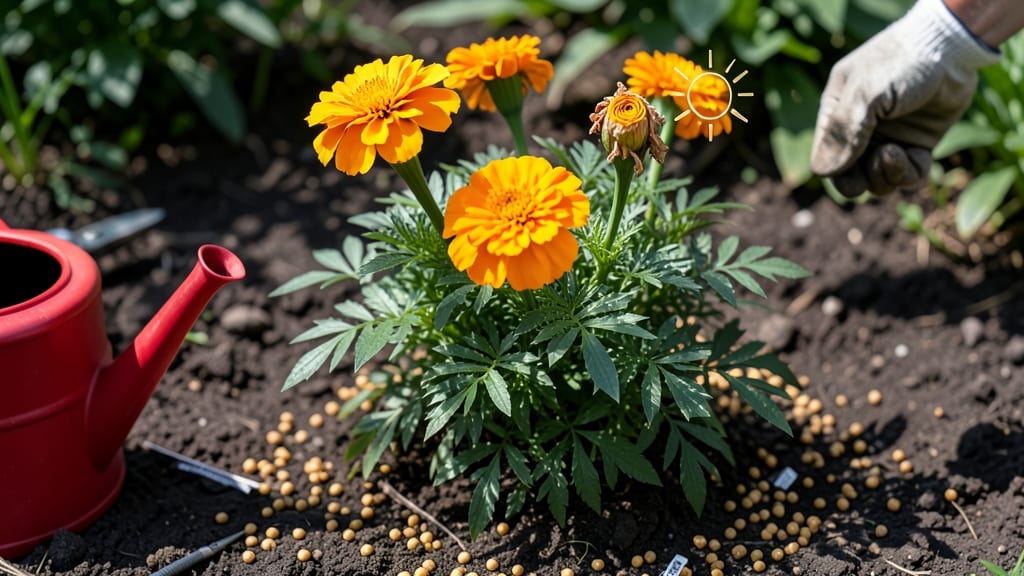
How to keep marigolds blooming is all about sunlight, trimming, and feeding—three simple tricks that turn patchy summer flowers into a never-ending display. 🌼 I've turned my patchy summer flowers into a continuous show by mastering just these techniques—none of them require fancy tools or expensive fertilizers. The secret starts with sunlight: marigolds demand 6+ hours daily of bright light, or they'll stretch and produce fewer blooms. Once they're planted in the right spot, regular deadheading (snipping spent flowers) tells the plant to keep producing. I do this every 3-4 days during peak bloom, and the difference is shocking—plants stay compact and keep flowering until frost. Add a balanced fertilizer (10-10-10) every 4-6 weeks after planting, and you'll see blooms thicken and last longer. The key is consistency: don't over-fertilize or they'll leaf out instead of flower. My French marigolds now bloom from June through October without a break. This works for all marigold types—African, French, or signet—and even container gardens. The only rule? Never skip the deadheading. Your neighbors will be asking for cuttings by summer's end.
📚 In This Guide
- What you need
- Instructions
- Tips and common mistakes
- Wrapping up and next steps
What you need
- ● Pruning shears or sharp scissors – Choose bypass pruners (not anvil-type) to avoid crushing stems. A sterilized pair prevents disease spread. Budget pick: $10–$15; Premium pick: Felco F-2 ($30+).
- ● Balanced, water-soluble fertilizer – Opt for a 10-10-10 or 20-20-20 NPK ratio (e.g., Miracle-Gro All-Purpose). Organic alternative: Fish emulsion (5-1-1) or compost tea.
- ● Garden gloves – Protect your hands from thorns (especially in French marigolds) and dirt. Lightweight, breathable fabric is ideal.
- ● Watering can or hose with a gentle spray nozzle – Marigolds need 1–1.5 inches of water weekly. A soaker hose ($15–$25) reduces waste and fungal risks.
- ● Compost or aged manure – Mix 2–3 inches into the soil before planting or top-dress mid-season for nutrients.
- ○ Mulch (optional but highly recommended) – Use 2–3 inches of straw, shredded leaves, or wood chips to retain moisture and suppress weeds.
- ● Slow-release fertilizer granules (e.g., Osmocote) – Sprinkle around the base every 6–8 weeks for steady nutrition.
- ● Epsom salt (magnesium sulfate) – Dissolve 1 tbsp in 1 gallon of water monthly for vibrant blooms (especially if leaves yellow between veins).
- ● Neem oil or insecticidal soap – Treat pests like aphids or spider mites proactively (1 tsp neem oil + 1 tsp mild soap per quart of water).
- ● Garden journal or app – Track pruning dates, fertilizer types, and bloom cycles to refine your routine.
Step-by-Step instructions for keeping marigolds blooming all season
Marigolds reward consistent care with nonstop color. Here’s how to keep them flowering like champs.
✂️ Step 1: Deadhead Regularly for Continuous Blooms
Snip off spent blooms the moment they fade—this prevents seed formation and redirects energy to new flowers. Use clean, sharp pruners or even your fingers to pinch off the entire flower head down to the first set of healthy leaves. I do this every 2-3 days during peak bloom, and you’ll see buds opening within a week.
Watch for the first signs of wilting petals—those are your cues to act. If you skip this, marigolds will shift focus to seed production instead of more blooms. The goal is to keep the plant in a constant "bloom mode," so never let flowers go fully brown before deadheading.
💧 Step 2: Water at the Base Deeply and Early
Water marigolds at the soil level in the morning, aiming for 1 inch of water per week. Wet the roots thoroughly until moisture reaches 4-6 inches deep, then let the top inch dry out before watering again. Shallow watering encourages weak stems and attracts fungal diseases.
You’ll know you’ve watered enough when excess moisture runs out the drainage holes. Avoid overhead watering—wet foliage invites powdery mildew, which can defoliate plants in days. Mulch with 1-2 inches of organic mulch to retain moisture and keep roots cool.
☀️ Step 3: Feed with Balanced Fertilizer Mid-Season
Apply a balanced, water-soluble fertilizer (10-10-10 or 20-20-20) when you see the first signs of slowing bloom production, usually 4-6 weeks after planting. Mix the fertilizer at half-strength to avoid burning tender roots, then water deeply to distribute nutrients.
I like to fertilize every 3-4 weeks through summer, but cut back after mid-August to avoid late-season growth that won’t harden off before frost. Look for dark green leaves with vibrant new buds—those are your signals the plant is hungry for more nutrients.
🌿 Step 4: Prune for Bushier Growth and Airflow
Trim back leggy stems by one-third in early summer to encourage branching and denser foliage. Cut just above a set of leaves where new growth will emerge. This also improves airflow, reducing humidity around the plant and preventing fungal issues.
If your marigolds start looking top-heavy, pinch back the tips of the main stems to force side shoots. You’ll see bushier growth within 2-3 weeks, and the plant will support more blooms. Avoid heavy pruning late in the season—it stresses plants before winter.
⏰ Step 5: Adjust Care as Seasons Change
In hot climates, reduce watering slightly in late summer to prevent root rot, but keep the soil moist. In cooler regions, protect plants from early frosts by covering them with frost cloth or moving containers indoors until spring. Marigolds are tough but appreciate a little seasonal TLC.
Watch for color fading or slowed blooming—these are signs to reassess your care routine. A quick check of soil moisture, sunlight exposure, and fertilizer levels usually reveals what’s missing. With consistent deadheading, feeding, and pruning, your marigolds will keep flowering until frost.
Tips & tricks for perfect marigold maintenance
These garden-tested strategies will help you keep your marigolds flowering nonstop all season long.
Timing Secret: The 2-3 day deadheading schedule in Step 1 is critical—don't let those spent blooms linger! I've noticed that if I go even one day past the 3-day window, the plant starts diverting energy to seed production instead of new flowers. Keep a small pair of pruners handy near your garden seat so you can deadhead while you're already outside. This small habit makes all the difference for continuous blooms.
Pruning Wisdom: When you do your 4-6 week structural prune in Step 2, look for stems that are growing toward the center of the plant—they're the ones creating shade and preventing airflow. Cutting back these leggy stems by one-third doesn't just shape your plant, it prevents disease by letting air circulate. I always make my cuts at a 45-degree angle just above a leaf node to encourage new growth from that spot.
Fertilizer Strategy: The 4-6 week feeding schedule in Step 3 works perfectly, but here's what I've learned: if your marigolds are flowering heavily, you can extend that interval to 6-8 weeks. When they're in full bloom mode, they don't need as much fertilizer. The key is to always fertilize right after pruning—this gives the plant fresh energy to grow those lush new stems you just created.
Sunlight Insight: That 6-8 hours of direct sunlight in Step 4 is non-negotiable for marigolds, but here's what nobody tells you: if your plants start looking pale or stretching toward the light, they're not getting enough. Move them to a sunnier spot immediately—marigolds will actually grow toward light sources if they're not getting sufficient sun. I've had to relocate plants twice in my own garden when they started showing these signs.
Pro Tips for Keep Marigolds Blooming
- These garden-tested strategies will help you keep your marigolds flowering nonstop all season long.
- Timing Secret: The 2-3 day deadheading schedule in Step 1 is critical—don't let those spent blooms linger! I've notic...
- Pruning Wisdom: When you do your 4-6 week structural prune in Step 2, look for stems that are growing toward the cent...
Frequently asked questions
Got questions about keeping your marigolds in full, cheerful bloom? Here are answers to the most common ones—so you can enjoy those golden-orange flowers all season long!
Why aren’t my marigolds blooming as much as they used to?
Overcrowding, poor nutrition, or too much shade are usually the culprits. Marigolds need 6+ hours of sunlight daily and regular deadheading (snipping spent blooms). If they’re leggy or sparse, they might need fertilizer with phosphorus (the middle number on the label) to encourage flowering. Pro tip: Pinch back leggy stems to promote bushier growth!
How often should I trim marigolds to keep them blooming?
Trim them every 1-2 weeks during peak bloom season (spring to fall). Use clean, sharp scissors to snip just above a set of leaves or a new bud. Avoid cutting more than ⅓ of the plant at once—this can stress the marigold. Consistency is key! Pro tip: Morning trims help avoid fungal issues from wet foliage.
Can I use regular garden shears or do I need special pruners?
Regular garden shears work fine, but clean, sharp tools are best to avoid damaging stems or spreading disease. Sterilize your shears with rubbing alcohol between cuts if you’re trimming multiple plants. Dull blades can crush stems, slowing recovery. Pro tip: Keep a small spray bottle of water nearby to mist cut stems—it helps them heal faster!
What’s the best fertilizer for marigolds, and how much should I use?
Use a balanced, water-soluble fertilizer (like 10-10-10) every 3-4 weeks during the growing season. For extra blooms, switch to a high-phosphorus formula (like 5-10-5) mid-season. Follow label instructions—over-fertilizing can burn roots. Pro tip: Mix compost into the soil at planting for slow-release nutrients!
My marigolds stopped blooming after a heatwave—how do I revive them?
Heat stress can halt flowering, but marigolds are tough! Water deeply at the base (early morning is best) and provide afternoon shade if temps exceed 90°F (32°C). Trim any wilted blooms and feed with a diluted liquid fertilizer to encourage recovery. Most bounce back once temps cool slightly. Pro tip: Mulch around the base to retain moisture and protect roots!
Are there marigold varieties that bloom longer with less maintenance?
Yes! French marigolds (like ‘Bonanza’ or ‘Crackerjack’) and African marigolds (e.g., ‘Tangerine Gem’) are top performers. French types bloom nonstop with minimal trimming, while African varieties are drought-tolerant and heat-loving. Choose based on your climate and color preferences! Pro tip: ‘Jolly Tall’ marigolds are great for cutting—just keep deadheading!
Wrapping up and next steps
Keeping your marigolds blooming beautifully is all about regular care—deadheading spent flowers, feeding them right, and giving them the perfect growing conditions. With a little attention, your marigolds will reward you with vibrant, long-lasting blooms that brighten up your garden all season! 🌼
Ready to put these tips into action? Grab your pruners and head outside—your marigolds are waiting for their next round of TLC! And if you’re feeling inspired, why not share your progress or explore other blooming plants to add to your garden?