
Pruning
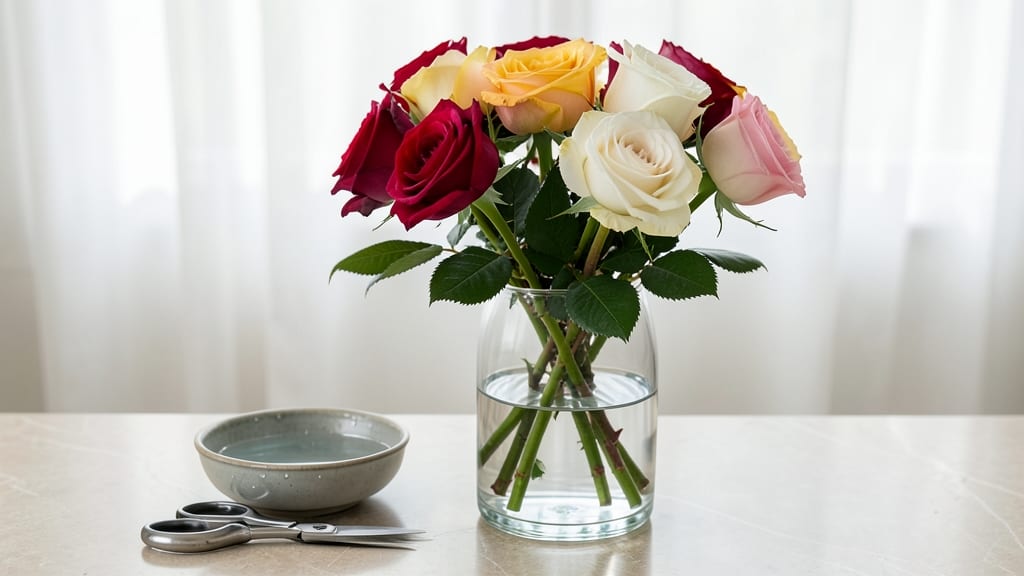
Your roses deserve a display as stunning as their scent. ✨ The secret to making cut roses last longer in a vase isn’t just about water—it’s about how you prepare them, choose the right vase, and arrange the stems.
I’ve turned wilt-prone bouquets into week-long centerpieces using these simple tricks that work for both garden-fresh and store-bought blooms.
Start with a clean vase—glass or ceramic—and 3-4 inches of room-temperature water mixed with a splash of bleach or flower food. Trim stems at a 45-degree angle right before arranging, and remove any leaves that’ll sit underwater.
The right vase isn’t just about size; it’s about proportion—tall, slender vases work for dramatic single stems, while wide bowls hold lush clusters beautifully.
Seasonal roses change the game: spring blooms like peonies need sturdy support, while winter roses benefit from a warm spot away from drafts. Play with color harmony—monochromatic arrangements feel elegant, while contrasting hues pop.
A single odd-numbered stem (3 or 5) creates natural balance, and adding foliage like eucalyptus or ivy extends the display’s life and visual appeal.
This method works for any space—kitchen counters, dining tables, or even bathroom vanities. The key is refreshing the water every 2-3 days and recutting stems to keep them drinking. Once you master these basics, you’ll never buy a bouquet that fades too fast again.
📚 In This Guide
- What you need
- Instructions
- Tips and common mistakes
- Wrapping up and next steps
What you need
- ● Fresh-cut roses: 3–12 stems (depending on vase size and desired fullness). Choose roses with tight buds or just-opened blooms for longevity.
- ● Clean vase: Glass or ceramic (6–12 inches tall). Ensure it’s spotless—soap and water work, but avoid residue!
- ● Pruning shears or sharp scissors: Not kitchen scissors! A clean cut at a 45° angle prevents air bubbles.
- ● Room-temperature water: 2–3 inches deep (adjust based on stem thickness). Never use cold water—it shocks the flowers!
- ○ Floral preservative (optional but recommended): Commercial mix (like Floralife) or DIY: 1 tsp sugar + 2 drops bleach per quart of water.
- ● Newspaper or towel: Protect surfaces from water spills.
- ● Rubbing alcohol or hydrogen peroxide: Quick wipe for vase sanitization.
- ● Floral tape or hot glue gun: Secure stems if using a heavy vase or outdoor display.
- ○ Decorative elements (optional): Gravel, pebbles, or floral foam for a showstopping look.
Step-by-step instructions for displaying roses in a vase
Here's how to keep your roses vibrant and fresh for up to two weeks with minimal effort.
🪴 Step 1: Select the Right Vase and Prepare Water
Choose a clean vase with a narrow neck to minimize water exposure to air—this reduces bacterial growth that shortens bloom life. I prefer glass because it lets me monitor water levels without disturbing the stems. Fill the vase with lukewarm water (never cold) to the 1/3 mark—enough to hydrate the stems but not so much that it encourages rapid evaporation.
Add 1 teaspoon of white vinegar to the water to lower its pH slightly. This acidic environment helps prevent bacteria from clogging the stems. You'll notice the water stays clearer longer with this simple trick. Avoid tap water with high chlorine levels—let it sit out overnight if your water tastes strongly of chlorine.
✂️ Step 2: Trim Stems at a 45-Degree Angle
Use sharp, clean pruners to cut stems at a 45-degree angle about 2 inches from the base. This angled cut increases the surface area for water absorption. I always recut stems under running water to remove any air bubbles that might block uptake. If the stems are woody or dry, make a second cut further up to expose fresh tissue.
Remove any leaves that will sit below the waterline—they'll rot and foul the water faster. Strip off lower foliage with your fingers or pruners, but leave the upper leaves intact. You'll see the stems drink up water immediately after cutting, which is your signal that the vascular system is open and ready to hydrate.
🌿 Step 3: Arrange Stems and Add Flower Food
Place stems close together in the vase to create a full look, but not so crowded that they compete for water. I like to spread them out slightly at the base and then fan them naturally as they rise. Add 1 packet of commercial flower food to the water—this contains sugar for energy and bleach to inhibit bacterial growth. Stir gently to dissolve completely before arranging the roses.
Adjust stems immediately after placing them in the vase. Roses often shift as they drink water, so give them a final tweak to ensure they're balanced and visually pleasing. If any stems look wilted, trim them again under water to revive them—this works surprisingly well for roses that arrive slightly limp.
☀️ Step 4: Position for Optimal Display and Maintenance
Keep roses away from direct sunlight, drafts, and heat sources like radiators. A spot with indirect light and room temperature (65-75°F) is ideal. You'll notice buds open more slowly in cooler conditions, which extends their display life. Change the water every 2-3 days—this prevents bacterial buildup that causes stems to seal off and wilt.
Recut stems and refresh the water whenever it looks cloudy or smells off. I also add a fresh ½ teaspoon of bleach to the water every few days to keep it sterile. Watch for buds that haven't opened yet—these will last longer than fully bloomed roses, so arrange them to open progressively for a longer-lasting display.
Tips & tricks for perfect rose display in a vase
Here's what nobody tells you about keeping roses fresh—simple secrets that make all the difference.
The Water Chemistry: The lukewarm water temperature matters more than you think. Cold water shocks the stems, while hot water can scald them. I always test the water with my wrist—it should feel like a warm bath, not a sauna. The 1 teaspoon of white vinegar is your secret weapon: it keeps the water crystal clear longer by preventing bacterial blooms. If your tap water has strong chlorine, let it sit out overnight in an open container to dissipate the chlorine before using it.
Stem Revival Technique: If your roses arrive looking wilted, don't toss them! Place the stems in a bucket of warm water for 10 minutes before arranging. This hydrates the stems and often brings them back to life. I've revived roses that looked completely spent this way—just give them a chance. For woody stems, make a second cut further up after the initial 2-inch trim to expose fresh tissue that can drink up water.
Flower Food Hack: That single packet of commercial flower food contains both sugar (for energy) and bleach (to fight bacteria). If you don't have it, make your own: mix 1 teaspoon of sugar with ½ teaspoon of bleach in 1 quart of water. The sugar gives the roses energy to stay vibrant, while the bleach keeps the water sterile. Stir it in thoroughly before arranging the stems—you won't see it, but your roses will thank you.
Positioning Secret: The room temperature range of 65-75°F is ideal because it's cool enough to slow down the opening process (which preserves freshness) but warm enough to keep the stems from getting chilled. Place your vase away from drafts—even a gentle breeze can cause roses to wilt faster. I like to position them near a window with indirect light where they get soft, diffused sunlight rather than harsh direct rays.
Pro Tips for Display Roses In A Vase
- Here's what nobody tells you about keeping roses fresh—simple secrets that make all the difference.
- The Water Chemistry: The lukewarm water temperature matters more than you think. Cold water shocks the stems, while h...
- Stem Revival Technique: If your roses arrive looking wilted, don't toss them! Place the stems in a bucket of warm wat...
Frequently asked questions
Got questions about keeping your roses fresh and fabulous? Here are some of the most common ones—plus quick, expert-approved answers to help you nail that vase display every time!
How long will roses last in a vase?
With the right care, roses can stay fresh for 7 to 10 days—sometimes even longer! Use clean water, trim stems at an angle, and refresh the water every 2–3 days. Avoid placing them near direct sunlight or drafts, which can shorten their lifespan.
Why are my roses wilting so fast?
Wilting roses often signal bacterial buildup or poor hydration. First, check if the stems are blocked (re-cut under water to clear clogs). Next, swap the water for a fresh vase with a flower food packet—it adds nutrients and fights bacteria. Also, avoid overcrowding the vase!
Can I use any vase for roses?
Not all vases are equal! Opt for a clean, roomy container (at least 2 inches wider than the stems) to prevent overcrowding. Glass or ceramic vases work best, but avoid metal or plastic, which can trap heat. Pro tip: Odd-shaped vases (like bud vases) work great for single stems!
How often should I change the water?
Change the water every 2–3 days to keep roses thriving. Stale water breeds bacteria, which clogs stems and speeds up wilting. While you’re at it, give the vase a quick rinse with hot, soapy water to remove gunk. Fresh water = happier roses!
What if I don’t have flower food?
No flower food? No problem! Mix 1 tsp of sugar + 1 tsp bleach (or white vinegar) into the water to feed the roses and kill bacteria. Alternatively, a pinch of aspirin (crushed) can work in a pinch—it’s a natural antibacterial! Just avoid overdoing it.
Wrapping up and next steps
Displaying roses in a vase isn’t just about beauty—it’s about making every bloom last longer and shine brighter! With the right preparation, pruning, and care, your roses can stay fresh for days (or even weeks) while adding elegance to any space.
Whether you’re a gardening pro or a beginner, these simple tricks will help you create stunning, long-lasting arrangements with confidence.
Ready to elevate your floral game? Grab a vase, pick your favorite roses, and start experimenting! Try different styles, play with colors, and don’t forget to share your masterpiece with the world—your friends (and Instagram followers) will thank you. 🌹✨