
How To
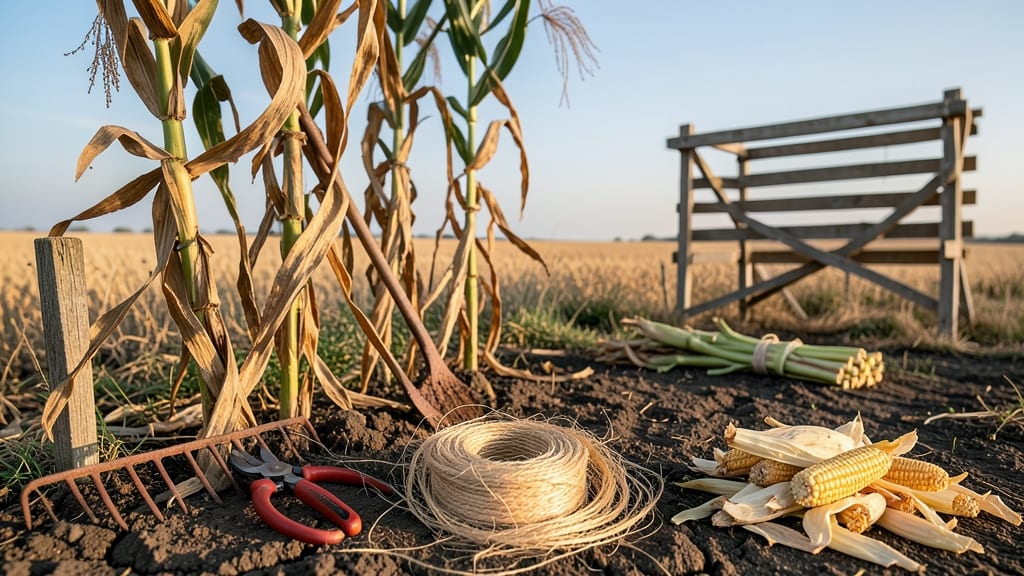
Harvest corn stalks when fully mature and dry, then bundle and hang upside-down in a well-ventilated, shaded area. Alternatively, lay them flat in single layers with spacing for airflow, rotating weekly until completely dry (2-4 weeks). Avoid direct sunlight or moisture buildup to prevent mold or rot.
Properly drying corn stalks requires precise timing and environmental control to maintain their structural integrity for long-term use. 🌾 The ideal moment to harvest is when kernels are fully mature but the stalks still contain some moisture—typically when the husks turn brown and dry.
A well-ventilated area with 50-70% humidity and temperatures between 60-80°F creates perfect drying conditions, preventing mold while preserving the stalks' strength for crafts or decorations.
For optimal results, I recommend using natural twine to bundle stalks in small groups of 5-10, leaving the bottoms open for airflow. This method ensures even drying throughout the stalk's length.
If space is limited, laying them flat with 6-inch spacing between rows works just as well, though it requires more frequent rotation to maintain airflow. The key is consistency—uneven drying creates weak points that can snap during storage or use.
💡 In This Article
- Optimal Harvesting and Drying Conditions for Corn Stalks
- Step-by-Step Corn Stalk Drying Techniques Compared
Optimal harvesting and drying conditions for corn stalks
The perfect time to harvest corn stalks hinges on kernel maturity and stalk moisture balance. Look for kernels that are fully plump and dented at the tip—a sure sign of 25-30% moisture content, ideal for drying.
Stalks should still have a slight green hue but feel dry to the touch when squeezed. Harvesting too early means excessive moisture that fuels mold; too late, and the stalks become brittle and prone to snapping during drying. 🌾
Temperature and humidity are the unsung heroes of successful stalk drying. Aim for a drying environment between 60-80°F with 50-70% humidity. This range mimics the natural conditions corn thrives in during late summer harvests.
Higher humidity slows evaporation, creating a breeding ground for fungal spores, while temperatures above 85°F accelerate moisture loss unevenly, causing cracks. The science here involves cellulose degradation—the plant's structural fibers weaken if dried too quickly, compromising the stalk's integrity for crafts or decorations.
Airflow is equally critical, as stagnant air traps moisture against the stalk's surface. A well-ventilated area with gentle breezes (like a covered porch or barn) ensures moisture escapes from all angles.
I've found that positioning stalks 2-3 feet apart creates optimal airflow channels, preventing moisture buildup in the center where stalks naturally thicken. This spacing also reduces the risk of pest infestation—mice and insects seek damp, enclosed spaces, so open drying conditions deter them naturally.
Light exposure plays a subtle but important role. While direct sunlight speeds up drying, it can cause the outer fibers to harden too quickly, creating a tough exterior that traps internal moisture. This creates the perfect environment for mold growth inside the stalk.
Instead, opt for dappled shade—like under a large tree or covered patio—which provides indirect light while maintaining airflow. The result is a gradual, even drying process that preserves both appearance and structural strength.
Moisture content is your best indicator of readiness. A properly dried stalk should feel light and hollow when tapped—like knocking on a dry pipe. If it sounds solid or feels damp to the touch, it needs more time.
For precise measurement, use a moisture meter (ideal reading: 10-15% moisture). This level ensures the stalk won't rot during storage while maintaining flexibility for crafts. 💫
Seasonal timing also matters. Early fall (September-October in most climates) offers the best balance of warm days and cool nights—ideal for natural drying without extreme temperature swings. If harvesting later, extend the drying time by 30-50% to account for cooler temperatures that slow evaporation.
The goal is to work with nature's rhythms rather than against them.