
Tools
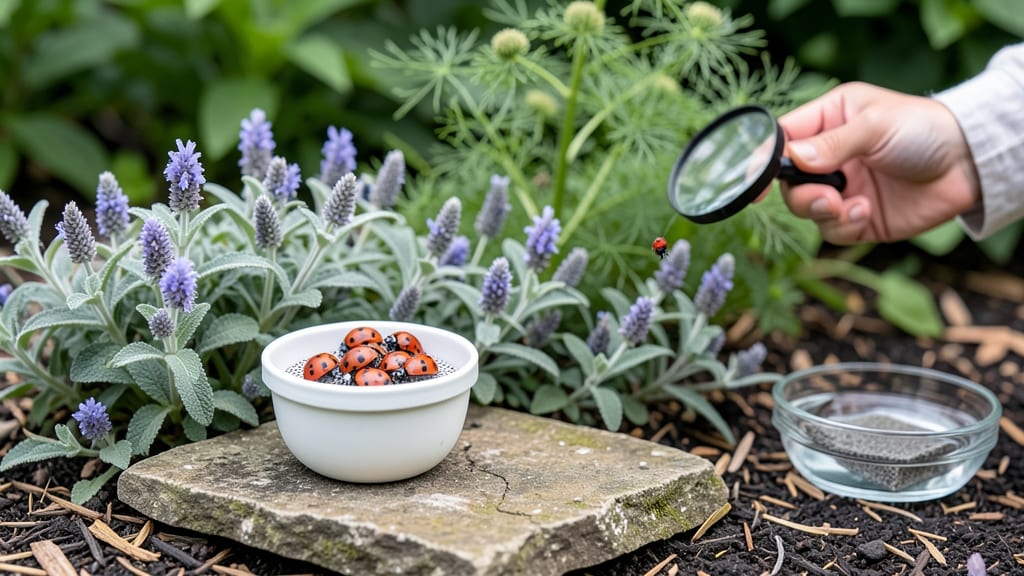
How to encourage ladybugs in your garden—it’s all about turning your plot into a pest-fighting paradise with these tiny, armored allies. 🌱 I’ve watched them turn aphid infestations into history with just a week of activity—no chemicals needed. The key? Creating a welcoming environment where they’ll stick around to do their work.
Start with their favorite plants: marigolds, dill, and cosmos. These flowers attract their prey while providing shelter. Avoid pesticides entirely—even "organic" ones can harm ladybugs. A shallow dish of water with pebbles gives them a safe drink, and leaf litter or a ladybug house offers winter hiding spots.
By summer, you’ll see them patrolling your plants, devouring aphids, mites, and even young caterpillars. The payoff is healthier plants and fewer pests without the hassle of sprays. It’s a system that works year after year with minimal effort.
Timing matters: release them in early morning or evening when it’s cooler, and plant their favorite flowers before they arrive. If you spot lookalikes (like Asian lady beetles), don’t panic—most still help, but focus on the classic red-and-black spotted ones for best results.
📚 In This Guide
- What you need
- Instructions
- Tips and common mistakes
- Wrapping up and next steps
What you need
- ● Native flowering plants: At least 5–10 varieties (e.g., marigolds, cosmos, yarrow, or dill). Choose plants that bloom at different times for year-round food.
- ● Ladybug habitat: A small wooden or clay ladybug house (or a DIY alternative like a hollowed log or inverted flowerpot with holes).
- ● 1–2 shallow water dishes (fill with pebbles and water to prevent drowning).
- ● Pest-free garden: Avoid chemical pesticides (ladybugs are sensitive to them!). Opt for organic solutions like neem oil or insecticidal soap.
- ● Companion plants: Add aphid-attracting plants like nasturtiums or fennel to lure pests away from your veggies.
- ● Ladybug eggs or larvae: Purchase from garden centers (check for Harmonia axyridis or native species).
- ● Mulch: Straw or wood chips to retain moisture and provide shelter.
- ● Sunny spot: Ensure your garden gets 6+ hours of sunlight daily—ladybugs love warmth!
Tips & tricks for creating a ladybug-friendly garden
A few strategic tweaks can turn your garden into a thriving ladybug haven—here's how to maximize their presence without the guesswork.
Seasonal Planting Strategy: The 24-hour window mentioned for aphid response is just the beginning—time your spring plantings to align with ladybug emergence. Early cosmos and dill should be in the ground by early May when temperatures stabilize between 60-80°F. I've found that planting cosmos slightly earlier than marigolds creates a staggered bloom sequence, ensuring continuous nectar sources throughout the season. This layered approach prevents gaps in their food supply during critical development periods.
Water Source Innovation: While the pebble saucer method works, I've had even better success with a slightly elevated water dish. Place a small, shallow dish on bricks or a saucer with pebbles, then add water up to the edge of the bricks. This creates a natural landing platform for ladybugs while keeping the water level safe. Refresh every 2-3 days as recommended, but always check for mosquito larvae—empty and scrub the dish weekly if needed.
Pest Management Nuance: The aphid monitoring tip is crucial, but here's what nobody tells you: ladybugs prefer aphids in their "crawling" stage rather than clustered colonies. If you see aphids moving actively across leaves, that's the perfect feeding signal. I've noticed ladybugs are more likely to stay when aphids are spread out—this gives them easier access to their prey without competition from other predators like lacewings.
Overwintering Preparation: Fall is when ladybugs seek shelter, so create microhabitats using dense ground covers like creeping thyme. I've had success with adding a few evergreen shrubs along borders—their year-round foliage provides both shelter and a visual cue for ladybugs returning in spring. Leave leaf litter in shady corners, but avoid compacting it—ladybugs need loose, airy spaces to overwinter successfully.
Pro Tips for Encourage Ladybugs In Your Garden
- A few strategic tweaks can turn your garden into a thriving ladybug haven—here's how to maximize their presence without the guesswork.
- Seasonal Planting Strategy: The 24-hour window mentioned for aphid response is just the beginning—time your spring plantings to align with ladybug emergence.
- Water Source Innovation: While the pebble saucer method works, I've had even better success with a slightly elevated water dish.
Frequently asked questions
When is the best time to start attracting ladybugs?
The ideal time is early spring or late summer, when ladybugs are most active. Plant nectar-rich flowers (like marigolds or dill) in spring to draw adults, and leave some aphids or eggs over winter so they’ll return. If you’re releasing purchased ladybugs, do it in the morning or evening when temperatures are mild (50–75°F).
What if ladybugs don’t stay in my garden?
Ladybugs may leave if they don’t find enough food, water, or shelter. Troubleshoot:
- Add aphids (their favorite snack) by planting aphid-attracting plants like cleome or nasturtiums.
- Provide water sources like shallow dishes with pebbles or a damp sponge.
- Include hibernation spots like leaf litter, brush piles, or a ladybug house.
Can I use ladybugs to control pests indoors?
While ladybugs can help indoors, they’re better suited for gardens. For indoor pest control, try:
- Lacewings (for soft-bodied pests like aphids).
- Parasitic wasps (for caterpillars).
- Sticky traps or neem oil for minor infestations.
Are store-bought ladybugs better than wild ones?
Store-bought ladybugs are convenient but may be less effective than wild populations. Here’s the breakdown:
Wild Ladybugs
Store-Bought Ladybugs
More adapted to your local pests and climate.
Guaranteed beneficial species (like Hippodamia convergens).
Free and self-sustaining if you create the right habitat.
Immediate results but may require repeated releases.
Risk of predatory species (like Harmonia axyridis, which can outcompete natives).
Higher upfront cost ($10–$20 per 1,000).
What if my garden has no pests—will ladybugs still visit?
Ladybugs need nectar and pollen even when pests are scarce. Plant herbs (dill, fennel, cilantro), flowers (cosmos, sunflowers), and vegetables (broccoli, kale) to keep them around. They’ll also help pollinate your garden while munching on mites, thrips, or whiteflies that might slip by unnoticed.
Wrapping up and next steps
Encouraging ladybugs in your garden isn’t just about adding a splash of color—it’s a simple, eco-friendly way to boost natural pest control while supporting biodiversity.
By planting their favorite flowers, providing shelter, and avoiding harsh chemicals, you’ll create a thriving haven that benefits both your garden and these tiny allies. 🌿
Ready to take the next step? Start small—pick one or two plants from our list and observe the changes over time. Before you know it, your garden will be buzzing with ladybugs, keeping pests in check without a single spray! 🐞✨