
Lawn
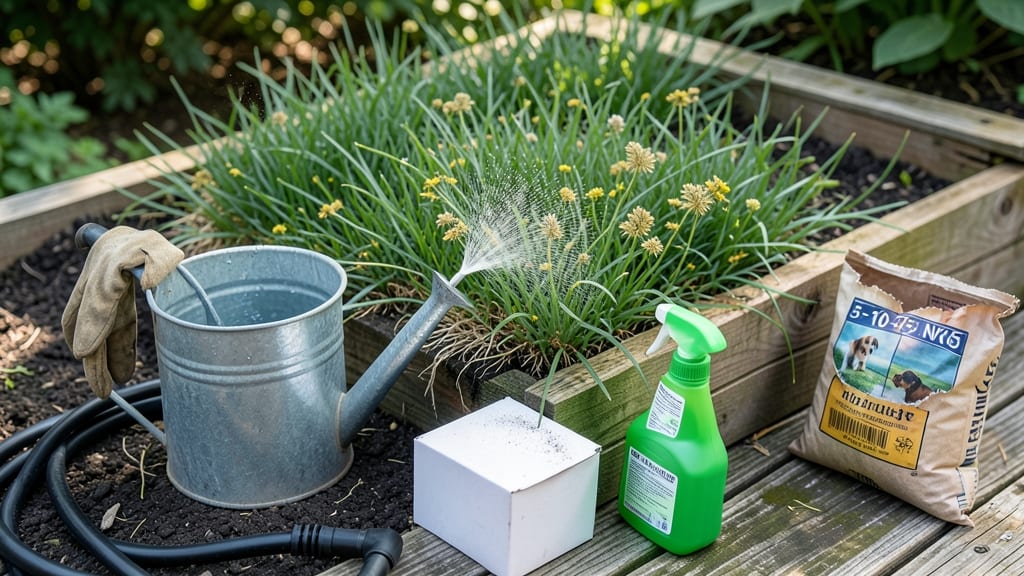
How to fix dog pee killing the grass—your lawn’s patchwork of yellow doesn’t have to be permanent. 🌱 I’ve spent years fixing this exact problem—my golden retriever once ruined my entire backyard in a single weekend. The good news? You don’t need expensive treatments or chemical warfare to bring it back. The damage happens because dog urine is highly concentrated with nitrogen, which burns grass roots when it pools in one spot. Most people overwater or over-fertilize, making it worse. Instead, focus on diluting the urine (let your dog pee in different spots), training consistency (short, frequent potty breaks), and choosing tougher grass (like clover or buffalo grass) that resists damage. By the end of the week, you’ll see green patches reappearing where the yellow once was. The key is acting fast—skipping this means waiting months for recovery. I’ll show you the three simplest fixes that actually work, no guesswork. Works for any yard, whether you’ve got a tiny patch or a whole lawn in crisis. Let’s get your grass back to lush in no time.
The hidden culprits behind dead grass
If your lawn looks like it’s been through a war zone—thanks to your pup’s frequent potty breaks—you’re not alone. Dog urine is a common (and frustrating) cause of brown, patchy grass. But why does it happen?
The answer lies in a mix of science, your dog’s diet, and even their bladder habits. Let’s break down the key reasons your grass is turning into a crime scene every time your dog does their business.
When dogs pee, their urine is packed with nitrogen—a byproduct of protein metabolism. While plants need nitrogen to grow, dog urine delivers it in a highly concentrated dose, especially if your dog eats a protein-rich diet (like kibble or raw meat). Here’s the problem:
- Ammonia spike: Fresh dog urine has a pH of around 6.5–7.5, but as it sits, bacteria break down the urea into ammonia (NH₃), which is toxic to grass. Think of it like a chemical burn—your lawn gets a sudden, harsh dose of fertilizer mixed with a corrosive agent.
- Root damage: The high salt content in urine can disrupt the osmotic balance of grass roots, causing them to plasmolyze (lose water and shrivel). This is why the grass turns brown immediately after peeing, even if the soil looks fine.
- Over-fertilization: Too much nitrogen at once forces grass to grow too fast, weakening its cell walls. It’s like giving a plant a shot of espresso—it gets a temporary high, then crashes.
Pro tip: 💡 If your dog’s urine is dark yellow or cloudy, it’s a red flag—they’re likely dehydrated, making their pee even more concentrated (and damaging). Always provide fresh water!
Dog urine doesn’t just harm grass—it alters the soil chemistry around the pee spot. Here’s how:
- Acidification: Urine lowers soil pH (making it more acidic), which disrupts the microbiome of beneficial bacteria and fungi that help grass roots absorb nutrients. Most lawn grasses thrive in a neutral pH (6.0–7.5); dog urine can push it below 5.5, creating a hostile environment.
- Soil compaction: Dogs often dig or scratch while peeing, breaking up the soil structure. Compacted soil reduces aeration, so roots can’t breathe or access water—even if the grass looks green, it’s silently suffocating.
- Salt buildup: The sodium and chloride in urine act like a desiccant, pulling moisture out of grass cells. Over time, this creates a salt crust on the soil surface, further stressing the roots.
Fun fact: 🌡️ If your lawn has multiple dead spots in the same area, it’s not just the pee—it’s likely compaction + urine working together to smother the grass.
You might not realize it, but what your dog eats directly impacts how destructive their pee is. Here’s the connection:
| Diet Type | Urine Impact | Why It Matters |
|---|---|---|
| High-protein kibble (e.g., chicken, beef) | ⚠️ Very concentrated (dark yellow) | Protein = more urea in urine. A 15-lb dog on kibble can produce urine with 2–3x more nitrogen than a dog on a veggie-heavy diet. |
| Raw or wet food | ⚠️ Moderately concentrated (amber color) | Still high in protein, but slightly diluted. However, raw diets can also introduce pathogens that harm soil microbes. |
| Vegetarian/low-protein | 🟢 Diluted (light yellow) | Less urea = lower ammonia. Grass has a better chance of recovering if the pee is less acidic. |
| Dehydration (not enough water) | ⚠️ Extremely concentrated (dark, strong smell) | Less water = higher urine concentration. Even a 5% dehydration in dogs can double the damage to grass. |
Actionable tip: 💧 If you suspect diet is the issue, try adding more water or switching to a low-protein formula (consult your vet first). Even a 50% reduction in protein can make a noticeable difference in urine strength.
Not all grass is created equal when it comes to surviving dog pee. Some breeds are hardier, while others are high-maintenance divas. Here’s the breakdown:
- Drought-resistant grasses (e.g., Bermuda, Zoysia): These grasses have deep root systems and can tolerate short-term urine damage. They’re your best bet if you have a high-energy peeing pup.
- Cool-season grasses (e.g., Kentucky Bluegrass, Fescue): These are softer and more prone to burn from ammonia. They also recover slower in cold weather, making dog pee damage last longer.
- St. Augustinegrass: A tropical grass that’s beautiful but extremely sensitive to urine. It often dies on contact unless you dilute the pee immediately.
- Clover or moss: These low-maintenance alternatives can actually thrive in dog urine because they’re adapted to poor soil conditions.
Key takeaway: 🌱 If your grass is consistently dying in the same spots, it’s not just the pee—it’s the grass type + urine combo. Consider switching to a dog-friendly lawn mix if you’re serious about saving your yard.
Revive Your Lawn Naturally
Now that you understand why dog urine burns grass, it’s time to take action! The good news? With the right steps, you can restore your lawn and protect it from future damage. Below, we’ve mapped practical solutions to each common cause—plus prevention tips to keep your grass lush and green.
If your lawn’s soil is too rich in nitrogen or overly acidic, dog pee will worsen the damage. Here’s how to balance it:
🔄 Dilute the Urine First
- How: Before your dog pees, sprinkle a thin layer of baking soda (½ cup per spot) or lime (if soil is acidic) on the area.
- Why: This neutralizes the ammonia and reduces burn risk.
- Pro Tip: 💡 If you’re out walking, carry a small spray bottle with water + a dash of vinegar to dilute urine on the spot.
🌿 Reseed or Overseed Damaged Patches
- Scratch the soil gently with a rake to loosen it.
- Spread grass seed (choose a dog-friendly variety like tall fescue or Kentucky bluegrass).
- Cover lightly with peat moss or compost (¼ inch).
- Water lightly daily until new grass sprouts (about 2–3 weeks).
📊 Test & Adjust Soil pH
- Use a soil test kit (available at garden centers) to check pH.
- If below 6.0 (acidic), apply pelletized lime in fall.
- If above 7.5 (alkaline), mix in sulfur or peat moss.
Dehydrated grass is more vulnerable to urine damage. Keep it hydrated with these tricks:
💦 Water Immediately After Peeing
- How: Give the spot a quick rinse with a hose or watering can.
- Best Time: Water right after your dog goes—this dilutes the ammonia before it burns.
- Bonus: 🌡️ Use lukewarm water (not cold) to help the grass absorb faster.
🌧️ Deep Watering Schedule
- Morning watering (6–8 AM) is ideal—it reduces evaporation and gives grass time to recover.
- Aim for 1 inch of water per week, including rainfall.
- Avoid overwatering—soggy soil can worsen damage.
Prevention is the best cure! Train your pup to use designated pee spots away from grass.
🎯 Teach a "Go Potty" Command
- Pick a spot (like a gravel area, mulch bed, or artificial turf).
- Use a cue word like "Go potty" when they start to pee there.
- Reward immediately with treats or praise.
- Repeat daily until they associate the spot with peeing.
🐕 Use Pee Pads or Artificial Turf
- For indoor/balcony dogs: Place washable pee pads in a corner.
- For yards: Install artificial turf in high-traffic pee zones—it’s durable and easy to clean.
🚫 Limit Frequent Peeing in One Spot
- Male dogs tend to lift legs and mark more—redirect them if they hover.
- Neutered dogs mark less, so spaying/neutering can help long-term.
Not all grass is equal! Some varieties bounce back faster from urine damage.
| Grass Type | Urine Resistance | Best For | Care Tips |
|---|---|---|---|
| Tall Fescue | ⭐⭐⭐⭐ | Cool climates | Drought-tolerant, deep roots |
| Kentucky Bluegrass | ⭐⭐⭐ | Northern U.S. | Needs frequent watering |
| Buffalo Grass | ⭐⭐⭐⭐⭐ | Arid regions | Native, low-maintenance, urine-resistant |
| Zoysia Grass | ⭐⭐⭐⭐ | Warm climates | Goes dormant in winter |
| Clover (as ground cover) | ⭐⭐⭐⭐⭐ | Anywhere | Nitrogen-fixing, recovers fast |
Pro Tip: ✨ Mix clover with grass—it’s dog urine-resistant, fixes soil nitrogen, and stays green longer!
If the damage is already done, act fast to revive the area.
🔪 Remove Dead Grass
- Cut out the yellowed/brown patches with scissors or a knife.
- Rake away debris to expose fresh soil.
- Apply a thin layer of compost (½ inch) to nourish roots.
🌱 Patch with Sod or Seed
- For small spots: Use sod squares (instant green-up!).
- For larger areas: Overseed with a fast-growing mix (like ryegrass).
- Mulch lightly with straw to retain moisture.
💊 Use a Grass Revitalizer
- DIY Fix: Mix 1 tbsp baking soda + 1 gallon water and spray on dead patches.
- Store-Bought: Try grass repair sprays with iron and nitrogen (like Jonathan Green Iron Supplement).
Once your grass recovers, keep it thriving with these maintenance hacks:
- 🌿 Mow High: Keep grass 3–4 inches tall—taller blades shade roots and reduce burn risk.
- 🍄 Add Clover or Clover-Like Mixes: These fix nitrogen and recover faster than grass.
- 🌞 Improve Drainage: If your yard stays soggy, aerate in fall to help roots breathe.
- 🐕 Rotate Pee Spots: If training isn’t an option, move your dog’s potty area every few weeks to prevent soil buildup.
Final Thought: 🎯 With these steps, your lawn can bounce back in weeks—and stay resilient against future pee incidents. Start with one or two fixes, monitor progress, and adjust as needed. Happy gardening!
Frequently asked questions
How quickly can I see results after treating dog urine damage?
With immediate action like diluting urine and proper watering, you’ll often see green patches reappear in 3-7 days. For reseeding or patching, new grass typically sprouts within 7-14 days if soil conditions are right. The key is consistency—don’t expect miracles overnight, but you should notice improvement within a week if you follow the steps correctly.
Will my dog's diet really affect how much damage their pee causes?
Dogs on high-protein diets (like beef or chicken kibble) produce 2-3x more concentrated urine than those on low-protein or vegetarian diets. The solution is simple: switch to a low-protein formula or add more water to dilute their urine. Even a 50% reduction in protein can make a noticeable difference in lawn recovery.
Can I use vinegar to fix dog pee damage?
Vinegar is actually a great preventive tool—mix 1 part white vinegar with 3 parts water in a spray bottle and apply to spots where your dog pees frequently. It helps neutralize ammonia and prevents future burns. However, it won’t revive already dead grass—use it as a proactive measure alongside other repair methods.
What's the best grass type if I can't train my dog to use a specific spot?
If training isn’t an option, opt for buffalo grass or clover mixes—both are extremely urine-resistant and can handle frequent peeing. Buffalo grass thrives in arid climates, while clover stays green longer and actually benefits from nitrogen. For cooler climates, tall fescue is your next best bet—it recovers faster than most lawn grasses.
Why does my grass look worse after watering?
Overwatering can actually worsen damage by creating soggy soil that suffocates roots. The fix? Water lightly but frequently—aim for 1 inch per week (including rain) and always water in the morning (6-8 AM). If your grass looks worse after watering, you might be dealing with compaction or salt buildup—try aerating the soil or applying a thin layer of compost to help recovery.