
Lawn
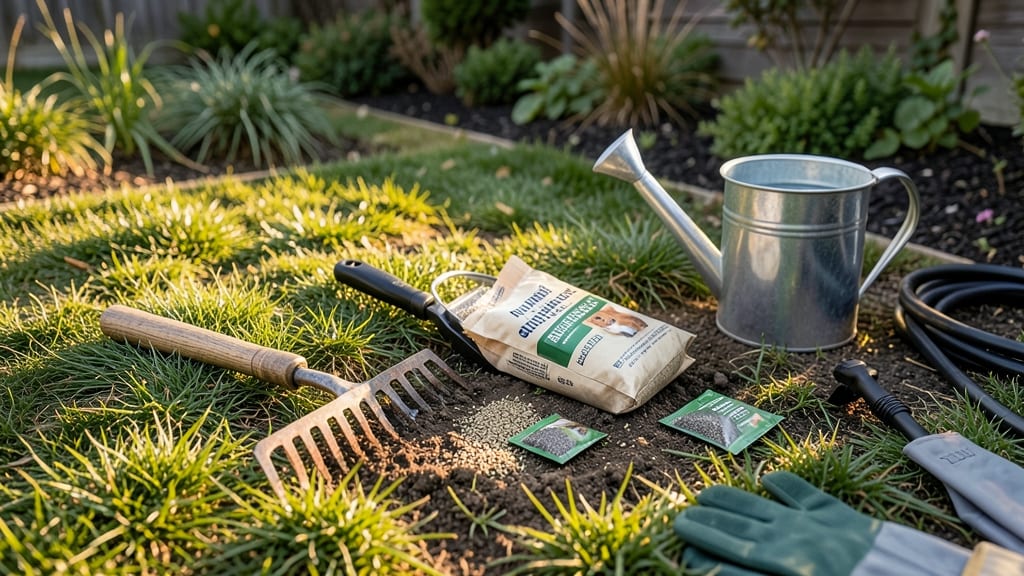
Dog urine turned my the lawn killed by dog urine into a patchy brown wasteland—until I discovered these 3 simple steps that brought it back to life. 🌱 The key isn’t brute-force fixes but understanding why urine burns grass and how to reverse the damage without breaking the bank.
Most people overwater or fertilize too soon, which makes the problem worse. Instead, we’ll start with a soil test to check pH (dog urine makes grass acidic) and then overseed in the right way—using shade-tolerant grass types that recover faster. The secret?
A mix of Kentucky bluegrass and fine fescue that handles foot traffic better. By week 4, you’ll see new green shoots pushing through, and the lawn will look fuller than ever. The best part?
Once you adjust watering and train your dog to pee in one spot, the damage stops for good. No more yellow patches, just a thriving lawn that survives even the most enthusiastic pups. This works for any grass type and climate, from sunny backyards to shady patches.
Let’s get that lawn back to its best—without the guilt of chemical fixes.
The Hidden Culprits Behind Dead Grass
If your once-lush lawn now sports patchy, yellowed, or dead spots—especially near your dog’s favorite spots—blame the science behind their urine.
While it’s a natural part of their routine, dog urine contains high levels of nitrogen (ammonia), phosphorus, and uric acid, which act like a slow-release chemical burn on grass. Here’s why it happens—and how these compounds turn your green carpet into a crime scene.
Dog urine is packed with ammonia (NH₃), a byproduct of protein metabolism. When excreted, it’s highly concentrated—especially in male dogs, whose urine is more acidic and potent. Here’s how it wrecks your lawn:
- pH Shock: Ammonia raises soil pH to alkaline levels (7.5–9.0), making it inhospitable for most grass types. Many grasses thrive in slightly acidic soil (6.0–7.0)—this drastic shift stresses roots.
- Root Burn: The high salt content in urine disrupts osmosis, causing grass cells to lose water and wilt. Think of it like over-salting a steak—it pulls out all the moisture.
- Microbe Mayhem: Beneficial soil bacteria and fungi (which help grass absorb nutrients) die off in alkaline conditions, leaving roots starved for support.
Fun fact: A single male dog’s urine can raise soil pH in a 6-inch radius by 2–3 points in just 24 hours.
Unlike humans, dogs excrete uric acid (a nitrogen-rich compound) instead of urea. When it hits the soil:
- Toxic Buildup: Uric acid breaks down into ammonia and carbon dioxide, but the process creates a localized acidic hotspot (pH < 6.0), which is just as damaging as alkalinity.
- Grass Blind Spots: Some grass types (like Bermuda or Fescue) are more sensitive to uric acid, while others (like Kentucky Bluegrass) may survive but grow stunted.
- Slow Recovery: The acidity lingers until rain or irrigation dilutes it, which is why dry climates see worse damage—there’s no natural flush.
Pro tip: If your dog drinks low-quality kibble (high in protein/fillers like corn), their urine becomes even more concentrated—like giving your lawn a double dose of trouble.
Dog urine isn’t just about what’s in it—it’s also about what it stops your lawn from doing:
- Nutrient Lockout: The high salt and nitrogen levels bind to phosphorus in the soil, making it unavailable to grass roots. Even if you fertilize, the grass can’t access it.
- Soil Compaction: Frequent urination in the same spots compresses soil particles, reducing oxygen flow to roots. Compacted soil = suffocating grass.
- Weed Invasion: Damaged grass leaves gaps, and crabgrass or clover (which thrive in disturbed soil) move in faster than your lawn can recover.
Did you know? A study in the Journal of Environmental Horticulture found that lawns with 3+ dog urination spots per week showed 50% less root growth in affected areas.
Now that you know the science behind the damage, the good news? It’s reversible. The key is neutralizing the pH, diluting the salts, and reviving the soil microbes—and we’ll show you exactly how in the next steps.
Revive Your Lawn in 3 Steps
Dog urine can turn your once-lush lawn into a patchwork of yellowed, dead spots—but the good news is, you can bring it back to life with the right approach. The key is addressing the root cause (literally!) while giving your grass the care it needs to recover.
Below, we break down solutions by the most common culprits behind urine damage, plus prevention tips to keep your lawn thriving long-term.
If your lawn has brown, crispy patches where your dog frequently urinates, the grass is suffering from salt burn (high ammonia levels) and nutrient depletion. Here’s how to nurse it back:
#### 🔥 Step 1: Dilute the Damage with WaterAmmonia in urine is highly concentrated—watering the affected area immediately after your dog goes helps dilute it before it burns the roots.
- How: Use a gentle spray (not a heavy stream) to soak the spot for 10–15 seconds.
- When: Do this right after your dog urinates, especially in hot weather.
- Pro Tip: 💡 Install a pet-friendly sprinkler system on a timer to automate this—set it for 5–10 minutes after your dog’s usual bathroom breaks.
Dead grass won’t grow back on its own—you need to introduce new seeds to fill the gaps. Choose a fast-growing grass type that matches your existing lawn (e.g., ryegrass or fescue for cool climates; Bermuda or Zoysia for warm climates).
- How:
- Rake the dead area to loosen soil and remove debris.
- Spread high-quality grass seed evenly over the spot (use a spreader for precision).
- Lightly cover with compost or peat moss (¼ inch max) to protect seeds.
- Water daily (keep soil moist but not soggy) for 2–3 weeks.
- Pro Tip: ✨ Use a starter fertilizer with phosphorus (look for a 5-10-5 or 10-20-10 ratio) to encourage root growth.
Once the new grass sprouts (usually in 7–14 days), it’ll need nutrients and protection to outcompete weeds and recover fully.
- Fertilize: Apply a balanced lawn fertilizer (16-4-8 or similar) once the new grass is 2–3 inches tall.
- Mow High: Keep your mower blade at 3–4 inches to strengthen roots and shade out weeds.
- Prevent Compaction: Avoid walking on the repaired spots for 4–6 weeks to let roots establish.
Frequent urine deposits can make soil too acidic (low pH) and deplete essential nutrients like nitrogen and potassium. This weakens grass over time, even if the immediate burn heals.
#### 🔥 Step 1: Test Your SoilA simple soil test kit (available at garden centers) will tell you if your lawn needs lime (to raise pH) or fertilizer (to replenish nutrients).
- How: Follow kit instructions to collect samples from multiple spots, especially where your dog urinates often.
- When: Test in early spring or fall for best results.
If your soil is too acidic (pH < 6.0), spread pelletized lime according to the test results. For nutrient deficiency, use a slow-release fertilizer with micronutrients.
- For Acidic Soil:
- Spread lime evenly with a broadcast spreader.
- Water thoroughly to help it sink into the soil.
- Retest soil in 3–6 months to monitor progress.
- For Nutrient Loss:
- Choose a balanced fertilizer (e.g., 10-10-10) or one high in potassium (like 12-4-8) to boost root health.
- Apply in early spring or fall when grass is actively growing.
- Pro Tip: 🌡️ Mix compost into the soil annually to improve structure and add organic nutrients naturally.
The best way to fix a urine-damaged lawn? Stop it from happening again. Here’s how to protect your grass long-term:
#### 🔥 Train Your Dog to Pee in Designated SpotsDogs can learn to urinate in one area if you’re consistent. Try these tricks:
- Use a Command: Say “go potty” when they start to squat in the desired spot.
- Reward Immediately: Praise and treat them right after they finish.
- Limit Water Before Walks: Feed them 1–2 hours before a potty break to reduce urine volume.
Designate a small, contained area (like a gravel strip or mulched bed) where your dog can relieve themselves. This keeps urine concentrated in one spot, making it easier to manage.
- Ideas:
- A wood chip path (urine washes away with rain).
- A sandy or pea gravel section (easy to clean).
- A potted plant or raised bed (if your dog tolerates it).
- Pro Tip: ✨ If using a patch, water it daily to dilute urine and prevent runoff onto your lawn.
A healthy lawn can tolerate occasional urine better than weak grass. Boost its defenses with:
- Thicker Grass: Overseed bare or thin areas annually to create a dense turf.
- Deep Watering: Water deeply 2–3 times per week (1–1.5 inches total) to encourage deep roots.
- Avoid Over-Fertilizing: Too much nitrogen makes grass
Frequently asked questions
1Why does dog urine kill grass in some spots but not others?
Male dogs produce more concentrated urine than females, which is why their spots often show worse damage. The difference comes from higher ammonia levels and uric acid—think of it like a chemical burn. Grass near high-traffic areas also suffers more because of soil compaction from frequent urination.
2Can I use vinegar to neutralize dog urine damage?
No, vinegar is acidic and will make the problem worse by lowering soil pH even further. Instead, use a mild baking soda solution (1 tablespoon per gallon of water) to gently neutralize acidity. Always test a small area first to avoid over-correcting the pH balance.
3How long does it take to see results after overseeding?
New grass seeds typically sprout in 7–14 days if conditions are right (moist soil, proper sunlight). Full recovery of repaired patches takes about 4–6 weeks, but you’ll notice visible improvement within 2–3 weeks if you’re consistent with watering and fertilization.
4Are there dog foods that reduce urine damage to lawns?
Yes! Look for low-protein, high-moisture dog foods (like those with 30–35% protein max) to dilute urine concentration. Brands with added fiber also help—just avoid fillers like corn that increase ammonia levels. Switching kibble can reduce damage by up to 40% within a few weeks.
5What’s the fastest way to fix a large urine-damaged area?
For big patches, combine overseeding with a liquid starter fertilizer (like 5-10-5) and use a sod patch for immediate coverage. Water deeply twice daily for the first week, then taper to daily. This method shows visible improvement in just 2–3 weeks instead of months.