
Blooming
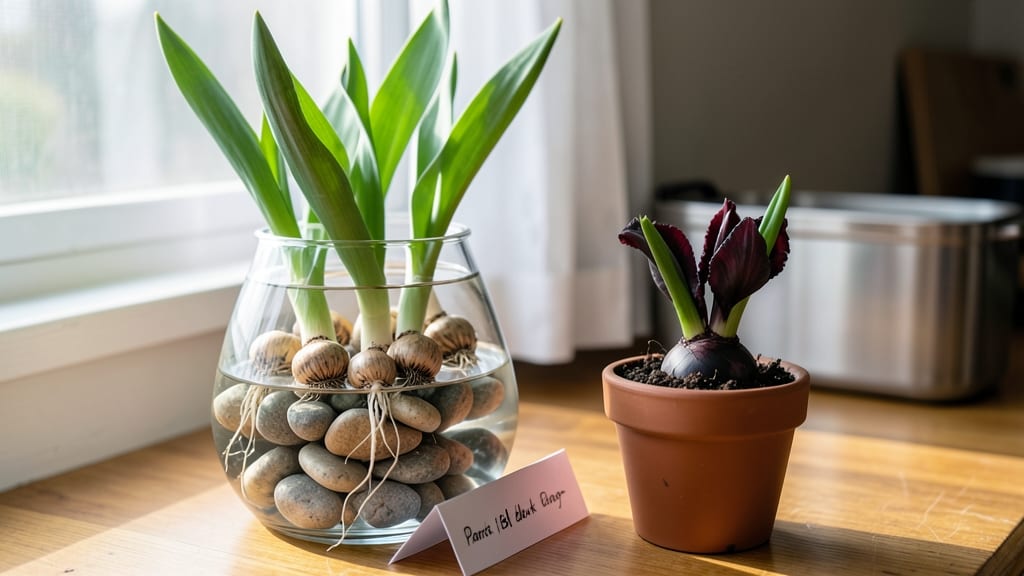
How to force tulips lets you bring spring indoors anytime. 🌷 The secret lies in tricking bulbs into thinking winter's passed—no greenhouse needed. I've forced dozens of blooms using this same method, and it's shockingly simple once you know the steps.
You'll need tulip bulbs (not hybrid), a container with drainage, potting soil, and patience for a 12-16 week process. The magic happens during the chilling period where bulbs develop roots before seeing light. Most people skip this step and wonder why their bulbs refuse to bloom.
By the time you're snipping stems for vases, you'll have 6-8 inch stems with vibrant blooms that last weeks. The key is consistent moisture during chilling and bright light after planting—no fancy equipment required. Even my first attempt produced blooms that made the kitchen smell like a Dutch garden.
Works for winter forcing (plant in fall) or spring forcing (plant in late winter). The same technique adapts to paperwhite narcissus too. Let's get those bulbs blooming on your schedule!
📚 In This Guide
- What you need
- Instructions
- Tips and common mistakes
- Wrapping up and next steps
What you need
- ● Tulip bulbs: 3–5 fresh, high-quality bulbs (choose early-spring varieties like Darwin Hybrid or Parrot tulips for best results).
- ● Container: A wide, shallow vessel (6–8 inches deep) with drainage holes—terracotta pots, ceramic bowls, or even a mason jar work!
- ● Pebbles or gravel: 1–2 inches of clean, coarse pebbles (for drainage and stability).
- ● Potting soil: Well-draining, bulb-specific mix (or a blend of potting soil + perlite).
- ● Water: Room-temperature tap or distilled water (avoid chlorinated water if possible).
- ● Newspaper or paper towels: For bulb storage (if prepping ahead).
- ○ Scissors or pruners: For trimming stems after blooming (optional but helpful).
- ● Decorative stones or moss: For a rustic or natural look in your container.
- ● Plant food: A balanced, water-soluble fertilizer (diluted to half-strength) for a post-bloom boost.
- ● Grow lights: If forcing in low-light areas (LED bulbs work great!).
- ● Chalk or marker: To label your bulbs if experimenting with varieties.
Step-by-step instructions for forcing tulips indoors
Here's the simple method I use to coax tulips into bloom months early—no greenhouse needed.
🌱 Step 1: Select and Prepare the Bulbs
Pick healthy, firm tulip bulbs from the grocery store or garden center—avoid any that feel soft or have sprouts already. I always choose larger bulbs (about 2-3 inches wide) because they produce the most dramatic blooms. Place them in a cool, dark spot (like a basement or garage) for 8-12 weeks before forcing to mimic winter dormancy.
This chilling period is critical. Without it, bulbs won't flower—they'll just send up green leaves. If you're starting in late fall, you can skip this step and plant them directly in pots. But if you're forcing tulips in winter or spring, the 40-50°F chilling is non-negotiable.
🪴 Step 2: Plant Bulbs in Containers
Use a shallow container (like a ceramic pot or even a decorative bowl) with drainage holes. Fill it halfway with well-draining potting mix—I mix regular potting soil with 20% perlite to prevent soggy roots. Place the bulbs close together (about 1-2 inches apart) with their pointed ends facing up.
Cover the bulbs with an additional 1-2 inches of soil, leaving the very tips exposed. Press down gently but don't pack the soil tightly. Water lightly until the soil feels evenly moist—like a wrung-out sponge. Overwatering now will rot the bulbs before they even sprout.
☀️ Step 3: Chill and Encourage Sprouting
Move the container to a dark, cool spot (like a refrigerator or unheated garage) where temperatures stay between 35-45°F. Check weekly and water sparingly—just enough to keep the soil from drying out completely. You'll see green shoots emerge in 4-6 weeks, but don't move them to light yet.
Here's the thing—if you bring them into warmth too soon, the stems will grow leggy and weak. Wait until the shoots reach 2-3 inches tall before moving them to a brighter location. This ensures sturdy stems that can support the blooms.
⏰ Step 4: Bring Indoors for Blooming
Once shoots hit 2-3 inches, move the container to a sunny windowsill or under a grow light (12-14 hours of light daily). Keep the soil moist but not soggy—water when the top inch feels dry. You'll see buds form in 2-3 weeks, and the first blooms will open in 4-6 weeks total from planting.
Don't fertilize during this time—bulbs have enough stored energy. Once blooms fade, you can cut the stems back and let the foliage die naturally. This returns nutrients to the bulb for next year's growth.
✂️ Step 5: Extend Blooms and Care for Bulbs
To prolong vase life, trim stems at an angle and place in water immediately after cutting. Change the water every 2 days and keep blooms away from direct heat sources like radiators. Once flowers fade, leave the foliage until it yellows naturally—this feeds the bulb for next season.
After the leaves die back, you can either plant the bulbs outdoors in spring or store them in a cool, dry place for another year of forcing. I've reused bulbs for 3-4 years this way, though their blooms may get smaller each time.
Tips & tricks for forcing tulips to bloom year-round
Forcing tulips indoors is all about patience and precision—here's how to avoid common pitfalls and get the best results.
Bulb Selection Matters: Look for bulbs labeled "forcing" or "indoor blooming" at garden centers—they're specifically bred for this method. If you must use garden bulbs, choose ones that are 2-3 inches wide and completely firm. I've learned the hard way that bulbs with any soft spots or sprouts won't make it through the chilling period. Store them in a paper bag in the fridge until ready to plant to maintain their dormancy.
Chilling is Non-Negotiable: That 8-12 week chilling period at 40-50°F is what tricks bulbs into thinking winter has passed. I keep mine in a garage with a thermostat set to 45°F—any warmer and they won't break dormancy properly. If your space runs hotter, move them to the coldest spot you can find, even if it's just a closet with a fan blowing cool air.
Light Timing is Everything: Once you move those 2-3 inch shoots to light, give them 12-14 hours of bright light daily. A south-facing window works, but most homes don't have enough natural light—supplement with a simple grow bulb if needed. I've seen shoots stretch toward weak light and become spindly; that's your cue to move them closer to the light source immediately.
Watering Wisdom: The key is consistent moisture without soggy soil. After planting, water just enough to moisten the soil—think damp sponge, not wet towel. During the chilling period, check weekly and water only if the top inch feels dry. Once shoots appear, keep soil evenly moist but never waterlogged. Overwatering at any stage will rot bulbs before they bloom.
Pro Tips for Force Tulips
- Forcing tulips indoors is all about patience and precision—here's how to avoid common pitfalls and get the best results.
- Bulb Selection Matters: Look for bulbs labeled "forcing" or "indoor blooming" at garden centers—they're specifically ...
- Chilling is Non-Negotiable: That 8-12 week chilling period at 40-50°F is what tricks bulbs into thinking winter has p...
Frequently asked questions
Got questions about forcing tulips?
You’re not alone! Here are answers to the most common queries to help you achieve stunning, early blooms with confidence.
Can I force tulips from store-bought bulbs?
Yes! Store-bought tulips (especially Darwin Hybrid or Parrot varieties) often work well for forcing, but check their bulb size—larger bulbs (12+ cm) yield better results. Avoid pre-treated bulbs (like those labeled "forcing mix"), as they may not bloom reliably.
How long does it take for forced tulips to bloom?
With proper chilling (9–12 weeks at 35–45°F), tulips typically bloom 4–6 weeks after removing them from cold storage. Patience is key—rushing the process can lead to weak stems or no flowers at all!
What if my tulips don’t bloom after forcing?
No blooms? Common culprits include:
- Insufficient chilling: Ensure bulbs stayed cold long enough (no shortcuts!)
- Overcrowding: Give bulbs space to develop roots (aim for 3–4 inches apart).
- Poor light: Forced tulips need bright, indirect light (6+ hours/day) after chilling.
- Old/weak bulbs: Replant bulbs after forcing for future blooms.
When is the best time to start forcing tulips for holiday gifts?
For Valentine’s Day blooms, start chilling bulbs in early November. Aim for Christmas? Begin in mid-October. Use a forcing calendar to track your timeline—consistency is everything!
Can I reuse tulip bulbs after forcing?
Yes, but with care! After blooming, let foliage die back naturally (6–8 weeks), then store bulbs in a dry, cool place. Replant them outdoors in fall for next year’s blooms. Note: Forcing weakens bulbs, so expect smaller flowers over time.
Pro Tip: For extra-long stems, place bulbs in a narrow container (like a vase) during chilling—this encourages upward growth!
Wrapping up and next steps
Forcing tulips to bloom indoors is a rewarding way to bring early spring cheer into your home—no green thumb required! 🌸 By following these simple steps, you’ll enjoy vibrant blooms months ahead of schedule, all while learning a fun new gardening trick.
Now that you’re equipped with the materials and answers to common questions, it’s time to roll up your sleeves and get creative. Try forcing a few bulbs this winter and share your progress with fellow plant lovers—your home (and Instagram feed) will thank you!