
Propagation
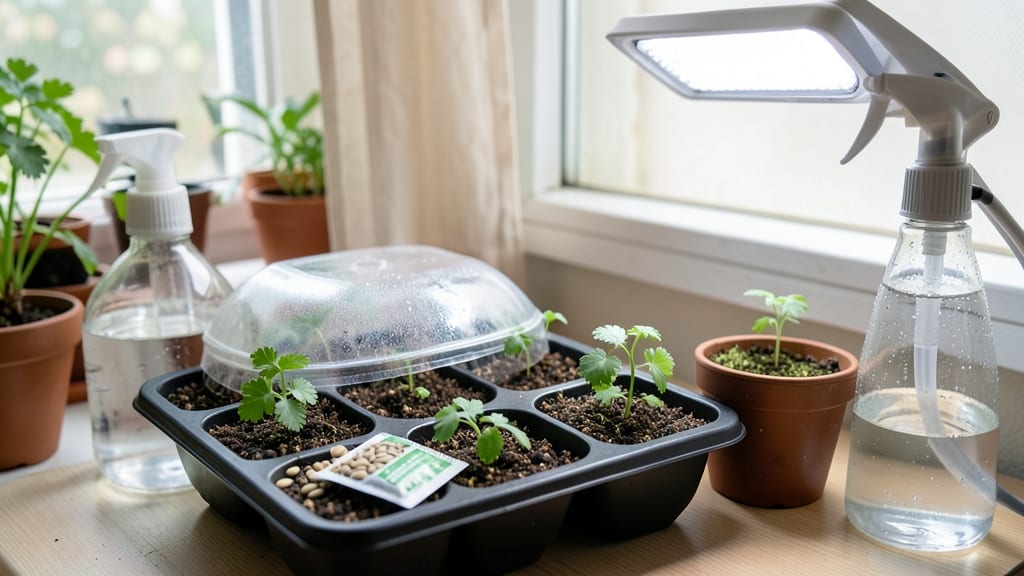
How to germinate parsley seeds quickly—it’s possible with this game-changing trick. 🌱 I’ve waited patiently (too patiently) for those stubborn sprouts, but this warm, moist paper towel method cuts that time in half. The secret? Mimicking the damp, warm conditions parsley seeds crave in the wild. You’ll need just three simple supplies: a paper towel, a plastic bag, and a warm spot. Soak the towel, wrap the seeds inside, and seal it tight. Within 5-7 days, you’ll see those first tiny green hooks breaking through—no waiting months for a patchy tray of seedlings. Once they sprout, transplant carefully into well-draining soil and keep it consistently moist. The payoff? Lush, fragrant parsley in half the time you’ve wasted before. No more staring at empty seed trays wondering if they’ll ever wake up. This works for flat-leaf or curly parsley, and the same trick speeds up other slow starters like dill or coriander. Ready to skip the waiting game? Let’s get those seeds sprouting!
📚 In This Guide
- What you need
- Instructions
- Tips and common mistakes
- Wrapping up and next steps
What you need
- ● Parsley seeds – Fresh, high-quality seeds (1–2 tsp for a small batch; adjust based on your needs). Pro tip: Choose flat-leaf or curly parsley varieties for best results!
- ● Paper towels – 2–3 sheets (unbleached, lint-free, and soft—think kitchen or bathroom brands).
- ● Spray bottle – A 16–32 oz misting bottle (look for one with a fine spray nozzle for even moisture).
- ● Plastic bag or airtight container – A gallon-sized ziplock bag or a small Tupperware (with ventilation holes if using a container).
- ● Small plate or shallow dish – A 6–8 inch diameter ceramic or glass dish (to hold the paper towel setup).
- ● Water – Room-temperature or slightly warm (not hot!).
- ○ Permanent marker or pencil – To label your seeds (optional but helpful if testing varieties!).
- ● Grow light or sunny windowsill – A 12–16 inch LED grow light or a south-facing window (for post-germination light exposure).
- ● Seedling trays or pots – 2–4 inch pots or a seed-starting tray (with drainage holes) for transplanting sprouted seeds.
- ● Potting mix – Lightweight, seed-starting mix (sterilized and well-draining).
- ● Humidity dome or plastic wrap – To maintain moisture during the germination process (if not using a bag).
- ● Thermometer – A small one to monitor warmth (ideal germination temp: 65–75°F).
Step-by-Step instructions for germinating parsley seeds quickly
Here's the foolproof method I use to get parsley sprouts in under a week—no waiting months for stubborn seeds.
🌱 Step 1: Soak Seeds in Warm Water for 12 Hours
Place 4 teaspoons of parsley seeds in a small bowl and cover with warm (not hot) water—around 85°F. The water should be just warm enough to feel comfortable with your finger. This softens the seed coat and kickstarts germination. Let them soak overnight, or at least 12 hours, while you prepare the paper towels.
Don't skip this step—parsley seeds have a tough outer shell that slows germination. I've found that pre-soaking cuts the waiting time from 3-4 weeks to just 5-7 days. Drain the seeds in a fine-mesh strainer afterward, giving them a gentle shake to remove excess water before moving to the next stage.
💧 Step 2: Wrap Seeds in Damp Paper Towels
Take 4 damp paper towels (folded into rectangles) and place one on a clean plate or shallow tray. Sprinkle 1 teaspoon of soaked seeds evenly across the center of each towel. Fold the towel over the seeds to create a sealed packet, ensuring they're sandwiched between two layers. This keeps them consistently moist without drowning them.
Here's the thing—parsley seeds need both moisture and air to germinate. If the towels feel dry to the touch, lightly mist them with water. Place all four packets in a ziplock bag to maintain humidity. I like to label the bag with the date so I don't forget when I started them.
☀️ Step 3: Provide Warmth and Check Daily
Store the sealed packets in a warm location—I use the top of my fridge or a spot near the oven (when it's off). The ideal temperature is 70-75°F. You'll see the first tiny sprouts peeking through the seed coat in just 3-5 days. Check the towels daily, misting lightly if they begin to dry out.
This is the moment that matters: once you see white roots emerging, it's time to transfer them to soil. Don't wait until the sprouts are long—transplant them immediately to prevent overcrowding. I use a toothpick to gently lift each seedling and place it in its own small pot filled with moist seed-starting mix.
🌿 Step 4: Transplant Sprouts to Soil
Fill 4 small pots (2-3 inches deep) with moist seed-starting mix, pressing down lightly to remove air pockets. Use a pencil or your finger to make a ¼-inch-deep hole in the center of each pot. Gently place one seedling in each hole, covering the roots with soil but leaving the sprout above the surface.
Water lightly with a spray bottle to settle the soil around the roots. Place the pots in a bright, indirect light location—a south-facing window works well. Avoid direct sunlight at first, as it can scorch the delicate seedlings. You'll notice the first true leaves (not the initial seed leaves) appear in 10-14 days.
💧 Step 5: Maintain Moisture and Light
Keep the soil consistently moist but never soggy. Water when the top inch feels dry to the touch. Parsley seedlings are sensitive to drying out, so I use a humidity dome or cover the pots with plastic wrap for the first week to retain moisture. Once they've established a few leaves, remove the cover and gradually introduce them to normal humidity levels.
After 4-6 weeks, when the seedlings have 3-4 sets of true leaves, they're ready to transplant into the garden or larger containers. Harden them off by placing them outside in a shaded area for 1-2 hours the first day, gradually increasing exposure over 7-10 days.
Tips & tricks for faster parsley germination
These simple but game-changing tricks will help you skip the months-long wait and get vibrant parsley sprouts in record time.
Soaking Temperature: That 85°F water isn't just arbitrary—it's the perfect balance between warmth and comfort for your seeds. Test it with your finger: if it feels pleasantly warm but not hot, you're golden. Too hot, and you'll shock the seeds; too cold, and they won't soften properly. I keep a thermometer nearby just to double-check, especially in winter when my tap water runs cooler. The goal is to activate those seeds without cooking them!
Paper Towel Layering: When creating those seed packets in Step 2, think of it like making a tiny greenhouse. Use two layers of paper towels—one as the base and one folded over—so the seeds get moisture from both sides. This creates the ideal microclimate where they'll germinate faster. Pro tip: Use white paper towels so you can easily spot mold (which should never appear if you're keeping things clean and moist). If you notice any fuzzy growth, toss those seeds immediately and start fresh.
Warmth Strategy: The 70-75°F range in Step 3 is crucial, but not every kitchen stays that warm. If your home runs cooler, place your seed packets on top of your refrigerator or near the oven (with it off, of course). I've even used a seedling heat mat set to low—just don't let it get above 80°F, or you'll overheat those delicate sprouts. The key is consistent warmth without heat stress. Think of it like giving your seeds a cozy blanket rather than a sauna.
Transplant Timing: Those white roots in Step 3 are your cue to act fast! Once you see them, transplant immediately to prevent overcrowding. I use a toothpick to carefully lift each seedling—it gives you better control than fingers. Place each sprout in its own pot to avoid competition for nutrients. This might seem like extra work, but it pays off with stronger, healthier seedlings that'll grow into full parsley plants faster. Don't wait until the sprouts are long and leggy—act at the first sign of roots.
Pro Tips for Germinate Parsley Seeds Quickly
- These simple but game-changing tricks will help you skip the months-long wait and get vibrant parsley sprouts in reco...
- Soaking Temperature: That 85°F water isn't just arbitrary—it's the perfect balance between warmth and comfort for you...
- Paper Towel Layering: When creating those seed packets in Step 2, think of it like making a tiny greenhouse. Use two ...
Frequently asked questions
Got questions about speeding up parsley germination? You’re not alone! Here are answers to the most common concerns—so you can grow lush parsley without the wait.
How long does it take for parsley seeds to germinate using the paper towel method?
With the warm, moist paper towel trick, parsley seeds typically sprout in 7–14 days. Some varieties (like curly parsley) may take longer, while flat-leaf parsley often germinates faster. Patience is key—keep the towel damp and warm for best results!
Why aren’t my parsley seeds sprouting after a week?
Parsley seeds are notoriously slow and need consistent warmth (70–75°F) and moisture. Check these troubleshooting steps:
Cold seeds? Move them to a warmer spot (like near a heater or in a seedling mat).
Dry towel? Re-moisten with a spray bottle and press gently to redistribute water.
Old seeds? Parsley seeds lose viability after 1–2 years—try fresh seeds.
Light exposure? Once sprouted, move seedlings to bright (but indirect) light to prevent legginess.
Can I plant parsley seeds directly in soil instead of using the paper towel method?
Yes! For direct sowing, plant seeds just below the soil surface (¼ inch deep) in warm, well-draining soil. Keep it moist and cover with plastic wrap or a humidity dome until germination (which may take 2–4 weeks longer than the paper towel method). Thin seedlings to 6–8 inches apart once they’re 2–3 inches tall.
What’s the best temperature for germinating parsley seeds?
Parsley thrives in warmth—ideal germination temps are 70–75°F (21–24°C). If your home is cooler, use a:
- Seedling heat mat ($10–$20 on Amazon).
- Warm water soak (soak seeds in warm water for 24 hours before planting).
- Sunny windowsill (south-facing) with a clear plastic bag to trap heat.
How do I know when parsley seedlings are ready to transplant?
Seedlings are ready when they have 2–3 true leaves (not the tiny seed leaves) and are about 2–3 inches tall. Harden them off for 3–5 days by placing them outside in shade for a few hours daily. Transplant in the evening or on a cloudy day to reduce stress. Space them 6–12 inches apart in full sun to partial shade.
Wrapping up and next steps
Germinating parsley seeds quickly is totally doable with the right tricks—like the warm, moist paper towel method! With patience and consistency, you’ll soon have lush, vibrant sprouts ready to transplant. Don’t let slow germination discourage you; even experienced gardeners face challenges, but persistence pays off!
Now that you’re armed with these tips, it’s time to put them into action. Grab those seeds, follow the steps, and watch your parsley thrive! Once your seedlings are strong, consider transplanting them into soil or sharing your newfound knowledge with fellow gardening enthusiasts. Happy growing! 🌱