
Blooming
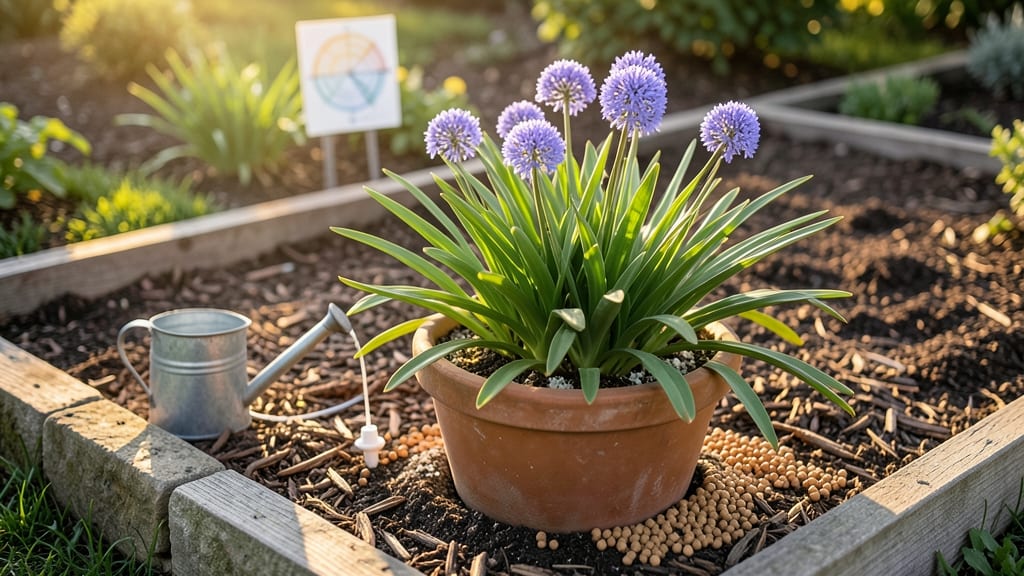
How to get your agapanthus to bloom—that’s the goal, and it’s totally within reach. Your lush foliage is a great start, but those stunning blue spikes need the right conditions. Sunlight, soil, and timing are the real secrets behind forcing blooms, and I’ve cracked the code after years of frustration with my own stubborn plants. The biggest culprits? Too much shade, crowded roots, or pruning at the wrong time. Agapanthus thrives in full sun (6+ hours daily) and well-draining soil—if yours is boggy or compacted, blooms will never appear. Even the hardiest plants need a little strategic pruning after flowering to encourage next year’s growth. By mid-summer, you’ll see new flower stalks emerging if you’ve got the basics right. The key is patience—some varieties take 2-3 years to rebloom after a reset, but once they do, they’ll reward you with foot-tall spikes of color for years. No more leafy green disappointment. This works for both container and in-ground plants, though containers let you control soil and drainage better. Let’s get those blooms happening—starting with the one thing your plant’s been missing.
📚 In This Guide
- What you need
- Instructions
- Tips and common mistakes
- Wrapping up and next steps
What you need
- ● Agapanthus plants: Healthy, mature plants (3+ years old) for best blooming results.
- ● Well-draining potting mix or garden soil: For containers: 50% premium potting mix + 50% perlite or coarse sand (sterilized).
- ● For in-ground: Amend clay soil with 3–4 inches of compost or organic matter (e.g., coconut coir, peat moss).
- ● Slow-release fertilizer: Balanced 10-10-10 or phosphorus-rich (e.g., 5-10-10) for blooms. (Apply 2–3 times per growing season.)
- ● Pruning shears: Sharp, clean pair (sterilize with rubbing alcohol between cuts).
- ● Watering can or hose with adjustable nozzle: For deep, infrequent watering.
- ○ Mulch (optional but recommended): 2–3 inches of pine bark, straw, or shredded leaves to retain moisture and regulate soil temp.
- ● Epsom salt (magnesium sulfate): 1 tbsp per gallon of water (monthly spray for foliage health).
- ● Flower-specific fertilizer: Liquid bloom booster (e.g., Miracle-Gro Bloom) for a mid-season boost.
- ● Soil pH test kit: To check if your soil is acidic (6.0–7.0)—ideal for Agapanthus.
- ● Garden gloves: For messy pruning or soil amendments.
- ● Reflective mulch or light-colored containers: Helps in cooler climates to absorb warmth.
Tips & tricks for encouraging agapanthus blooms
These precision-based insights will help you transform your agapanthus from leafy green to spectacularly blooming—without the guesswork.
Sunlight Optimization: The critical 6 hours of sunlight should include morning sun (before 10 AM) when UV intensity is highest. In hot climates, I've found that moving plants to partial afternoon shade prevents leaf scorch while still providing enough light for flowering. Watch for leaves that develop a bronze cast—this indicates insufficient light exposure during critical growth periods. For container growers, rotate pots every few weeks to ensure even light exposure all around.
Soil Science: When testing drainage as instructed, aim for complete drainage within 15-20 minutes—not the full 30 minutes mentioned. The ideal soil mix should hold moisture like a well-wrung sponge: damp but not soggy. I recommend adding 25% perlite to your soil mix for containers, as this improves aeration without compromising moisture retention. For heavy clay soils, consider planting in raised beds where you can better control the soil composition.
Fertilizer Timing: The June start date for potassium fertilizer is perfect for most climates, but adjust based on your last frost date. In warmer southern regions, begin fertilizing in May, while northern gardeners might start in July. I've noticed that plants fertilized consistently through August produce noticeably larger flower spikes the following season. The key is to stop fertilizing by early September to allow plants to harden off before winter.
Pruning Precision: When cutting back spent flower stalks, use clean, sharp pruners to avoid crushing stems. Cut at a 45-degree angle just above a leaf node to encourage new growth. I've found that plants pruned this way in early autumn (September) develop stronger root systems over winter. For large clumps, consider dividing every 3-4 years in early spring to rejuvenate growth and increase flowering potential.
Pro Tips for Get Agapanthus To Bloom
- These precision-based insights will help you transform your agapanthus from leafy green to spectacularly blooming—wit...
- Sunlight Optimization: The critical 6 hours of sunlight should include morning sun (before 10 AM) when UV intensity i...
- Soil Science: When testing drainage as instructed, aim for complete drainage within 15-20 minutes—not the full 30 min...
Frequently asked questions
Got questions about coaxing those stunning agapanthus blooms? You’re not alone! Here are some of the most common concerns—and their answers—to help you troubleshoot and succeed.
Why isn’t my agapanthus blooming after years of growth?
Agapanthus often takes 2–3 years to mature and bloom, but if it’s been longer, the issue is likely overcrowding or poor nutrition. Divide clumps every 3–4 years in spring, and feed with a low-nitrogen, high-phosphorus fertilizer (like 5-10-10) in early spring to encourage flowering. Pro tip: If your plant is happy but not blooming, it might just need patience—or a little more sunlight!
When is the best time to prune agapanthus to promote blooms?
Prune right after flowering (late summer/early fall) to remove spent blooms and keep the plant tidy. Never cut back into old wood—agapanthus blooms on new growth, so leave at least 6–12 inches of foliage. For winter-hardy varieties, a light trim in late winter (just before new shoots appear) can also help. Warning: Avoid heavy pruning in spring—this can delay or prevent blooming!
Can agapanthus bloom in partial shade? What if mine gets only 4–5 hours of sun?
While agapanthus loves full sun (6+ hours daily), some varieties (like ‘Midnight Beauty’) tolerate partial shade—especially in hot climates. If your plant gets only 4–5 hours, it’ll likely bloom, but expect fewer, smaller flowers. Boost sun exposure gradually if possible, and ensure well-draining soil to prevent root stress. Hot tip: Morning sun is better than harsh afternoon rays!
Should I divide my agapanthus if it’s not blooming well?
Yes!
Overgrown clumps (5+ years old) often bloom poorly due to root competition. Divide in early spring (before new growth) or fall:
- Dig up the clump and separate into 3–4 inch sections, each with roots and shoots.
- Replant divisions 12–18 inches apart in well-draining soil.
- Water deeply and avoid fertilizing for 4–6 weeks to reduce stress.
What if my agapanthus leaves turn yellow or brown before blooming?
Yellowing leaves often signal overwatering or poor drainage, while brown tips can mean underwatering or salt buildup (from tap water). Fix it:
- Ensure soil is moist but not soggy—agapanthus is drought-tolerant once established!
- Amend heavy clay soil with compost or perlite.
- Flush the soil with rainwater (or distilled water) to remove salts.
Wrapping up and next steps
Getting your agapanthus to bloom is all about patience, consistency, and a little extra care! With the right balance of sunlight, well-draining soil, and strategic pruning, you’ll soon be rewarded with stunning clusters of flowers.
Remember, every plant has its own rhythm—don’t rush it, and celebrate the small victories along the way!
Now that you’re armed with these blooming secrets, why not share your progress with fellow gardeners or dive deeper into advanced agapanthus care? Your garden—and your patience—will thank you! 🌸✨