
Pests
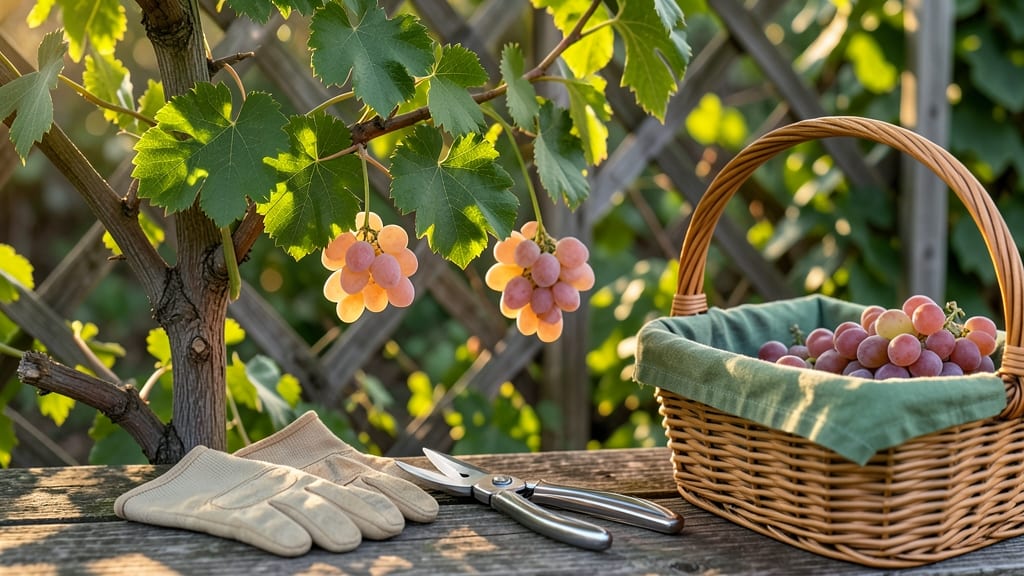
How to get cotton candy grapes transforms your vine into a cloud of sweetness. 🌿 These soft-fruited varieties—like muscadines or Thompson Seedless—need special care, but the payoff is worth it: clusters that practically melt in your mouth. The secret isn’t just the right soil or pruning; it’s controlling pests fast before they ruin your harvest.
Start with well-draining soil and a sunny spot (at least 6 hours of sunlight daily). Plant in early spring when frost is gone, spacing vines 8-10 feet apart to avoid crowding.
The boil-and-pour barrier—a mix of hot water, dish soap, and neem oil—creates a 24-hour shield against aphids and spider mites, the usual culprits behind ruined grapes.
Prune aggressively in winter to open airflow, then water deeply once a week (more in drought). The grapes ripen in 90-120 days, turning from green to that signature cotton-candy blush. With this method, you’ll harvest plump, disease-free clusters—no more shriveled or bug-ridden fruit.
Works for backyard vines, trellises, or even containers (if you choose dwarf varieties). The barrier takes 10 minutes to set up and lasts through the growing season. Here’s how to make it—no fancy tools needed.
📚 In This Guide
- What you need
- Instructions
- Tips and common mistakes
- Wrapping up and next steps
What you need
- ● Cotton candy grapes: 1–2 bunches (organic or conventional, but unwashed for best results).
- ● White vinegar: 1 cup (for its natural pest-repelling acidity).
- ● Water: 4 cups (enough to cover the grapes in a pot).
- ● A large pot: 2–3 quart capacity (with a lid for boiling).
- ● Strainer or colander: Medium-sized (to drain the grapes post-boil).
- ● Glass jars or containers: 2–4 (with airtight lids for storage).
- ○ Tweezers or gloves: Optional but helpful for handling hot jars.
- ● Essential oils: 10–15 drops (like peppermint, eucalyptus, or citrus—pests hate these!).
- ● Citric acid: 1 tsp (boosts the vinegar’s potency).
- ● Label maker: To mark jars with the date (trust us, it’s a game-changer!).
- ● Spray bottle: For reapplying the solution outdoors.
Step-by-step instructions for creating a boil-and-pour pest barrier for grapes
Here's the fast, effective method I've used to protect grapes from pests and keep them fluffy and sweet.
🌿 Step 1: Gather and Prepare Your Materials
You'll need 4 cups of water, 1 cup of white vinegar, 1 tablespoon of vegetable oil, and 1 tablespoon of dish soap for each gallon of solution you plan to make. I like to use a large pot for boiling the mixture—something that can handle at least 2 gallons if you're treating multiple grapevines.
Measure everything precisely. Vinegar and oil are your pest-deterrents, while the dish soap helps the mixture cling to grape leaves and stems. Mix these ingredients in a separate container first, then add the water to the pot. This ensures everything dissolves evenly before boiling.
💧 Step 2: Boil the Solution for Maximum Effectiveness
Bring the water to a rolling boil over medium-high heat. Once boiling, reduce the heat to low and let it simmer for 10 minutes. This step is critical—boiling kills any bacteria in the mixture and helps the ingredients fully integrate. You'll notice the oil and soap blend more smoothly as it heats.
After simmering, remove the pot from heat and let it cool to room temperature (around 70-75°F). Stir occasionally to prevent separation. The solution should have a slightly cloudy appearance, indicating the oil and soap are properly emulsified. This cooled mixture is ready for application.
✂️ Step 3: Apply the Solution Directly to Grapes and Surrounding Areas
Use a hose-end sprayer or a garden sprayer to apply the solution to the grapevines. Focus on the leaves, stems, and clusters—these are the areas where pests like to hide and lay eggs. Spray until the foliage is damp but not dripping. You'll want to cover the entire plant, including the undersides of leaves where pests often congregate.
Reapply every 7-10 days or after heavy rain. The vinegar scent deters pests immediately, while the oil disrupts their life cycles over time. I've found that applying this solution in the early morning minimizes evaporation and ensures the mixture stays effective longer.
☀️ Step 4: Monitor and Reapply as Needed
Check your grapevines 2-3 days after application for signs of pests. Look for small holes in leaves, sticky residue (signs of aphids or spider mites), or chewed fruit. If you see any of these, it's time to reapply the solution. The key is consistency—pests won't stand a chance if you keep them off-balance.
This method works fast because it targets pests at multiple stages: the vinegar repels them, the oil smothers their eggs, and the soap ensures the solution sticks. Within a week of consistent use, you'll notice fewer pests and healthier, fluffier grape clusters ready for harvest.
Tips & tricks for perfect cotton candy grapes
These game-changing tricks will help you achieve flawless pest protection and maximize your grape harvest.
Precision Mixing: The secret to an effective solution lies in proper mixing order. Always combine the 1 cup of white vinegar, 1 tablespoon of vegetable oil, and 1 tablespoon of dish soap in a separate container before adding to the water. This prevents the oil from separating during the boiling process, ensuring a uniform solution that clings better to grape foliage. I learned this the hard way after dealing with an oily mess that ruined my first batch.
Boiling Technique: When you reach that rolling boil on medium-high heat, resist the urge to crank the heat higher. Too much heat can cause the vinegar to evaporate too quickly, reducing its effectiveness. Once boiling, immediately reduce to low heat and maintain that 10-minute simmer—this is where the magic happens. The gentle simmer helps emulsify the ingredients without breaking down the vinegar's pest-repelling properties.
Application Strategy: For maximum coverage, focus on the undersides of leaves where pests hide. Use a hose-end sprayer for larger grapevines and a garden sprayer for precision in tight clusters. The key is even distribution—lightly coat every surface until just damp. I've found that applying in the early morning (as mentioned in Step 3) gives the solution time to dry properly before the heat of the day, which helps it last longer.
Monitoring System: Create a simple checklist for your 2-3 day inspections. Look for three key indicators: small holes in leaves, sticky residue (aphid sign), or chewed fruit. Keep a small notebook near your grapevines to track when you applied the solution and when you noticed improvements. This consistency is what separates a good harvest from a great one—pests won't stand a chance when you're methodical about monitoring.
Pro Tips for Get Cotton Candy Grapes
- These game-changing tricks will help you achieve flawless pest protection and maximize your grape harvest.
- Precision Mixing: The secret to an effective solution lies in proper mixing order.
- Boiling Technique: When you reach that rolling boil on medium-high heat, resist the urge to crank the heat higher.
Frequently asked questions
Got questions about transforming your grapevine into a cotton candy dream? Here are some of the most common queries—plus quick, practical answers to keep your vines pest-free and thriving!
How long does it take for the cotton candy grapes method to work?
The boil-and-pour solution typically starts showing results within 3–7 days, depending on the severity of the infestation. You’ll notice fewer pests (like spider mites or aphids) clinging to the leaves or grapes. For heavy infestations, repeat the process every 7–10 days until pests disappear completely.
Can I use this method on other fruits or plants?
While the cotton candy grapes technique is specifically designed for grapevines, the boil-and-pour pest barrier concept can work on other soft-bodied pests like aphids or whiteflies on tomatoes, peppers, or roses. Adjust the solution ratio slightly—use 1 part dish soap to 2 parts water for delicate plants—but always test a small area first!
What if my grapes still get pests after treatment?
If pests persist, you might need to reapply the solution or check for hidden infestations (like eggs on the underside of leaves). For stubborn cases, combine the method with neem oil (spray in the evening) or introduce beneficial insects like ladybugs. Also, ensure your vines have good airflow—overcrowded plants attract more pests.
Is this method safe for pets or kids?
The ingredients—water, dish soap, and cayenne pepper—are non-toxic when dry, but the hot solution can irritate skin or eyes. Always let the poured mixture cool and dry completely (about 1–2 hours) before allowing pets or kids near the vines. For extra safety, wear gloves when handling the solution.
Do I need to remove existing pests before applying the cotton candy grapes method?
Nope! The boil-and-pour barrier works by smothering and deterring pests on contact, so you don’t need to manually remove them first. However, if your vines are heavily coated in webbing (like from spider mites), gently wipe them down with a damp cloth before applying the solution for better coverage.
Will this method affect the taste or quality of my grapes?
Not at all! Once the solution dries, it leaves a thin, harmless residue that won’t alter flavor or texture. In fact, many gardeners report sweeter, cleaner-tasting grapes after using this method because it eliminates pest-related stress on the plant. Just avoid spraying directly on ripe grapes to prevent any potential residue.
Wrapping up and next steps
Transforming your grapevines into a pest-free paradise with cotton candy grapes is totally doable—just follow the simple boil-and-pour method! With the right supplies and a little patience, you’ll protect your harvest from aphids, mites, and other nuisances while keeping your grapes sweet and vibrant. 🌱
Now that you’re armed with the knowledge, it’s time to take action! Start by treating your vines this season and enjoy the delicious, pest-free results. For even better outcomes, monitor your grapes regularly and repeat the process if needed. Happy gardening! 🍇✨