
Pests
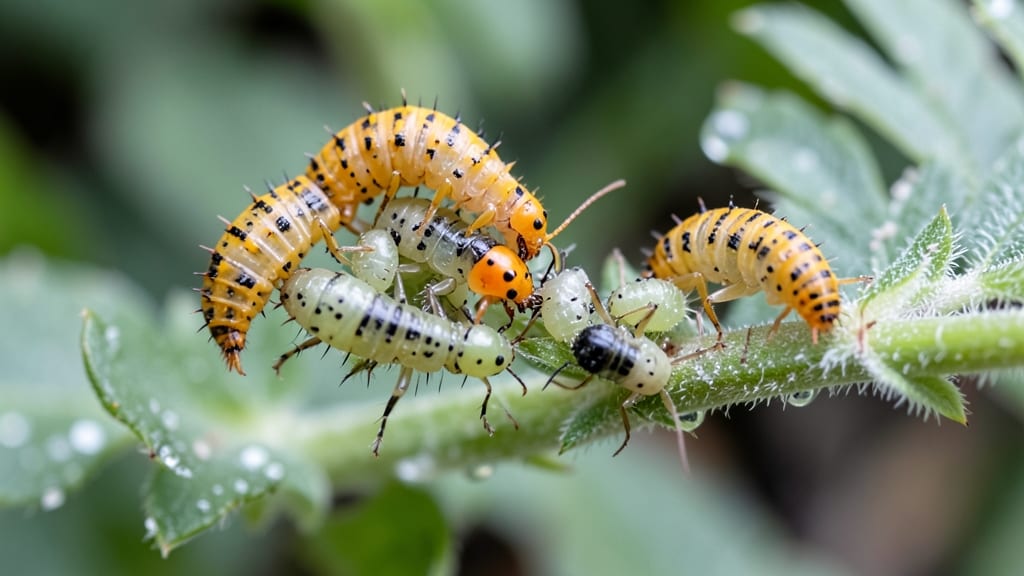
Those tiny green invaders are sucking the life out of your prized blooms—but here’s how to get rid of aphids on flowers without harming your plants. 🌿 I’ve battled them on my roses, hydrangeas, and even my prized peonies—here’s the neem oil trick that finally stopped them in their tracks.
The secret isn’t just spraying—it’s breaking their life cycle with a targeted approach. You’ll mix neem oil, water, and a drop of dish soap (the kind that cuts grease) for a solution that smothers adult aphids while disrupting their reproduction.
Within 3-5 days, you’ll see fresh, aphid-free growth where there was once sticky, curled foliage. This method works on all flower types, from delicate zinnias to tough-as-nails daylilies, and keeps bees and butterflies safe.
The key? Timing and consistency—aphids multiply fast, so act at the first sign of trouble (tiny clusters on new growth or honeydew drips on leaves). No more losing entire blooms to these pests. Here’s exactly how to make the mixture and when to reapply for good.
Root Causes of Aphid Infestations
Aphids may seem like tiny, harmless pests, but their rapid spread on flowers is rarely random. Understanding the why behind their presence helps you tackle the problem at its core—before they devour your blooms. Here’s a breakdown of the most common triggers, explained in clear, actionable terms:
---
Aphids thrive where plants are weak, and stress is their favorite buffet. When flowers are overcrowded, they compete for nutrients, water, and sunlight, creating the perfect conditions for aphid attacks. Here’s why:
- Poor Air Circulation: Dense foliage traps moisture, creating a humid microclimate that aphids love. Their waxy bodies retain water, but stagnant air also prevents natural predators (like ladybugs) from patrolling effectively. - Nutrient Deficiency: Plants starving for nitrogen or phosphorus produce sweeter sap—aphids’ all-time favorite snack.
A quick soil test can reveal deficiencies before they become a pest magnet. - Root Stress: Compacted soil or poor drainage forces roots to work harder, weakening the plant’s immune response. Aphids detect this vulnerability and move in.
Actionable Fix: Prune aggressively to improve airflow, mulch to retain moisture, and fertilize with a balanced 10-10-10 formula to strengthen defenses.
---
Plants, like humans, have immune systems—and aphids exploit weaknesses. When flowers are compromised by disease, injury, or poor care, they become aphid magnets. Key culprits:
- Fungal or Bacterial Infections: Powdery mildew or black spot weaken leaves, making them easier targets.
Aphids don’t just feed on healthy tissue; they prefer damaged areas where defenses are lowest. - Physical Damage: Broken stems or chewed leaves (from other pests) release distress signals that aphids detect via pheromones.
It’s like a neon sign saying, “Eat me!” - Chemical Overload: Overusing synthetic pesticides can kill beneficial insects (like predatory wasps) while leaving aphids unharmed. This creates a pesticide-resistant super-colony scenario.
Actionable Fix: Rotate organic sprays (neem oil, insecticidal soap) and introduce beneficial nematodes to restore microbial balance in the soil.
---
Aphids aren’t just random visitors—they’re highly efficient reproducers with survival tactics that exploit gardeners’ mistakes:
- Parthenogenesis: Most aphids are female and can reproduce asexually, giving birth to 50–100 offspring in weeks without male involvement. One aphid = an explosion in days. - Ant Farming: Some aphids (like Aphis gossypii) farm ants in exchange for protection.
The ants “milk” aphids for honeydew while shielding them from predators. - Windborne Spread: Lightweight aphids hitch rides on wind currents, landing on new plants like tiny, hungry parachutists. A single infested plant can spread to your entire garden in a week.
Actionable Fix: Isolate new plants for 2 weeks, use yellow sticky traps to catch winged adults, and disrupt ant trails with diatomaceous earth.
--- Aphids are opportunistic—they move in when conditions are ideal for them (and terrible for your flowers):
| Factor | How It Helps Aphids | How to Counter It | |----------------------|--------------------------------------------------|-----------------------------------------------| | Warmth (60–80°F) | Speeds up reproduction; aphids thrive in mild weather. | Use row covers in early spring to delay outbreaks. | | Drought Stress | Plants produce more sugars to survive, attracting aphids. | Deep-water plants before symptoms appear. | | New Growth | Young, tender shoots are aphids’ favorite snack. | Prune new growth regularly to stay ahead. |
Actionable Fix: Mulch heavily to regulate soil temperature and avoid over-fertilizing with nitrogen, which fuels rapid (aphid-loved) growth.
--- Sometimes, well-meaning gardeners accidentally create aphid paradises. Common blunders include:
- Overhead Watering: Damp leaves create sticky honeydew trails, attracting more aphids and sooty mold. - Ignoring Beneficial Insects: Skipping ladybugs, lacewings, or hoverflies means no natural aphid control. - Planting Favorites: Aphids love roses, lilacs, and fuchsias—so if you grow these, be extra vigilant.
Actionable Fix: Water at the base, introduce aphid-eating insects, and rotate crops to disrupt aphid life cycles.
--- Key Takeaway: Aphids don’t attack randomly—they target weakness. By addressing stress, immunity, and environmental triggers, you can starve them out before they start. 🚀 Next up: How to Break Their Life Cycle with neem oil and natural predators.
Quick Fixes for Aphid-Infested Flowers
Aphids may be tiny, but their damage adds up fast—sticky residue, wilted blooms, and even weakened plants. The good news? You don’t need harsh chemicals to kick them out.
Below, we’ve matched the most common causes of aphid outbreaks with effective, plant-safe solutions—plus prevention tips to keep your garden aphid-free for good.
---
Aphids love stressed, overcrowded plants because they’re easier to feed on. Weak stems or dense foliage trap moisture, creating the perfect breeding ground.
✅ Fix It: - Prune aggressively 🔪: Snip off heavily infested leaves or stems (especially new growth where aphids cluster). Drop them in soapy water to prevent reinfestation. - Space plants properly 🌱: Ensure 6–12 inches of airflow between plants. Aphids thrive in humid, stagnant environments—good circulation dries them out. - Fertilize lightly 🌿: Use a balanced, organic fertilizer (like compost tea or fish emulsion) to boost plant health. Stronger plants repel pests naturally.
💡 Pro Tip: If your plants are root-bound, repot them into slightly larger containers to reduce stress.
---
Aphids target tender new shoots because they’re packed with nutrients and easy to pierce. This is especially true for roses, hibiscus, and basil.
✅ Fix It: - Blast them off 💦: Use a strong stream of water (from a hose or spray bottle) to dislodge aphids from leaves and stems. Repeat every 2–3 days until they’re gone. - Apply neem oil 🌿: Mix 1 tsp neem oil + 1 tsp mild soap + 1 quart water, then spray directly on aphids (avoid blooms). Neem disrupts their life cycle and deters future infestations. - Encourage beneficial insects 🐞: Ladybugs, lacewings, and parasitic wasps love aphids. Plant dill, fennel, or marigolds nearby to attract them.
⚠️ Warning: Avoid spraying neem oil directly on blooms—it can harm pollinators. Spray early in the morning or evening instead.
---
Ants “farm” aphids for their sticky honeydew. If you see ants marching up your plants, they’re shielding aphids from predators and pesticides.
✅ Fix It: - Break the ant-aphid bond 🐜: Sprinkle diatomaceous earth (food-grade) around the base of plants to disrupt ant trails. They’ll avoid crossing it. - Use sticky barriers 🍯: Wrap tree trunks or plant stems with Tanglefoot (a non-toxic sticky trap) to block ants from reaching aphids. - Spray soapy water 🧼: A 1% soap solution (like castile soap) will kill ants on contact. Reapply after rain.
💡 Pro Tip: Plant mint or lemon balm near aphid-prone plants—ants hate the scent!
---
Excess moisture creates the perfect aphid buffet. soggy soil and damp leaves are aphid magnets.
✅ Fix It: - Check your pots 🏺: Ensure containers have drainage holes. If not, repot immediately. - Water at the base 💧: Avoid overhead watering, which keeps leaves damp. Water early in the day so foliage dries quickly. - Use mulch 🍂: Apply a 2-inch layer of straw or wood chips around plants to improve drainage and reduce soil moisture.
✨ Bonus: Add 1 part hydrogen peroxide (3%) to 20 parts water when watering—it oxygenates soil and deters pests.
---
Once you’ve banished aphids, stop them from returning with these habits:
- Inspect new plants 🔍: Quarantine any new additions for 2 weeks before introducing them to your garden. - Rotate crops 🌱: If growing veggies, avoid planting the same family (like tomatoes or peppers) in the same spot yearly. - Encourage biodiversity 🐝: A thriving garden with bees, birds, and beneficial bugs keeps aphid populations in check naturally. - Use reflective mulch 🌞: Lay aluminum foil or silver plastic mulch around plants—aphids dislike the glare and avoid them.
--- 🚀 Ready to reclaim your flowers? Start with one fix (like neem oil or pruning) and monitor daily. Aphids are weak—they can’t survive without their favorite plants’ stress signals!
Frequently asked questions
How quickly does neem oil work on aphids?
Neem oil starts disrupting aphids within 24 hours, but you’ll see noticeable results in 3-5 days with consistent applications. The key is reapplying every 5-7 days or after rain, as it breaks their life cycle by preventing reproduction. For severe infestations, combine it with pruning to remove heavily affected growth immediately.
Can I use dish soap alone to kill aphids?
Yes, but it’s less effective than neem oil alone. Mix 1 tablespoon mild castile soap with 1 quart water and spray directly on aphids—it suffocates them by breaking their waxy coating. However, soap can harm beneficial insects and may dry out plant leaves, so use it as a last resort or dilute further (1 tsp per quart). Always test on a small leaf first.
Why do aphids keep coming back after I treat them?
Persistent aphids usually mean one of three things: new infestations from nearby plants, ants protecting them, or underlying plant stress. First, check for ants (they shield aphids) and use diatomaceous earth. Then, ensure your plants aren’t overcrowded or nutrient-deficient—aphids return when conditions are ideal. Finally, quarantine new plants for 2 weeks to prevent reinfestation.
Are there any flowers aphids avoid completely?
Aphids dislike strong-scented flowers like marigolds, lavender, and petunias, which contain natural repellents. While no flower is 100% aphid-proof, these act as deterrents. For extra protection, interplant them with aphid-loved varieties (like roses) to create a natural barrier. The key is diversity—aphids struggle to find their preferred hosts when surrounded by less appealing options.
Can I use coffee grounds to repel aphids?
Coffee grounds can help indirectly by improving soil health, but they’re not a direct aphid repellent. The caffeine in used grounds may deter some pests, but it won’t eliminate established colonies. For best results, sprinkle grounds around plant bases to boost microbial activity (which strengthens plants) and combine with neem oil sprays. Fresh coffee grounds can also attract ants, so use them sparingly.