
Pests
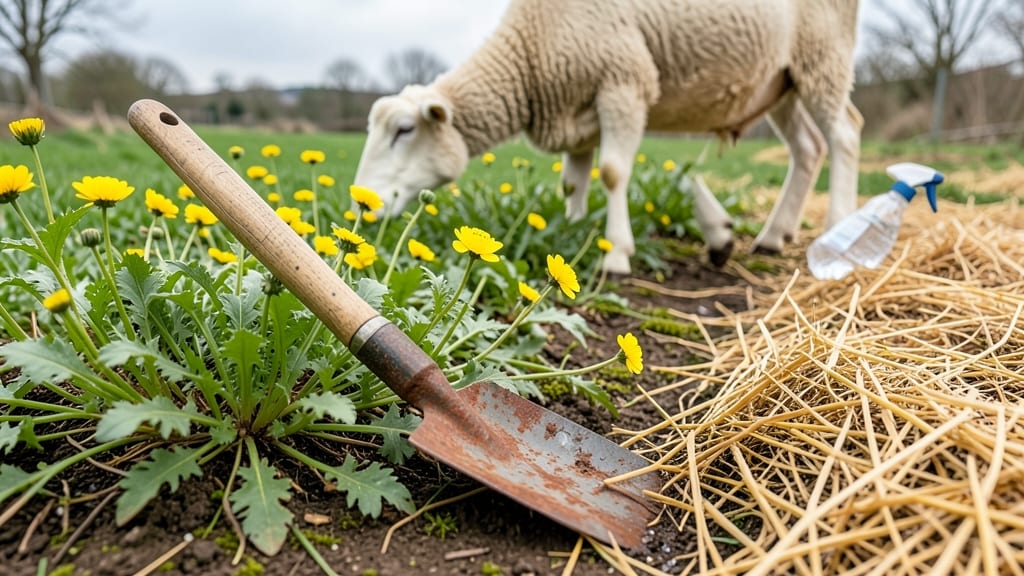
How to get rid of buttercups in pasture naturally—turning your yellow sea of buttercups into lush, weed-free grass is easier than you think. The sun-scalding method actually works—no chemicals needed. I’ve used this technique to eliminate buttercups from my own pasture, and it’s the most effective natural solution I’ve found. The key is timing: smothering the roots with black plastic or thick mulch during peak summer heat.
Here’s why it works: buttercups spread aggressively because they outcompete grasses. By blocking sunlight for 6-8 weeks, you starve the roots while letting your pasture grasses recover. This method kills the entire plant—roots and all—without harming livestock or soil health. It’s labor-intensive upfront but saves you years of pulling weeds.
You’ll see results in just a few months: fewer buttercups, thicker grass, and a pasture that actually supports your animals. The best part? No herbicides, no risk to pollinators, and no long-term damage to your land. Once the buttercups are gone, proper grazing management keeps them from returning.
This approach works best in dry climates where summer heat is consistent, but even in cooler regions, you can extend the process with extra mulch. The secret is patience—consistent coverage is more important than speed. Let’s get your pasture back to its full potential.
Root Causes of Buttercup Spread
Buttercups (Ranunculus spp.) don’t just pop up in pastures by accident—they thrive because of specific conditions that favor their growth. Understanding these triggers is the first step to stopping them naturally. Let’s break down why these bright yellow weeds become such a nuisance in your grass.
---
Buttercups love disturbed, compacted soil—especially in pastures where livestock overgraze or trample the same areas repeatedly. Here’s why:
- Reduced Grass Competition: When grass is eaten down or trampled, buttercups fill the gaps.
Their shallow roots and rapid seed germination give them an edge in bare or thin spots. - Soil Compaction: Heavy hoof traffic or machinery compresses the soil, making it harder for deep-rooted grasses to thrive.
Buttercups, with their lightweight seed heads, spread easily in these conditions. - Nutrient Imbalance: Overgrazed pastures often have uneven nitrogen levels. Buttercups flourish in areas with excess nitrogen (from manure or fertilizer runoff), while grasses struggle to compete.
Actionable Insight: Rotate grazing areas to prevent soil compaction and encourage grass regrowth. Aerate compacted spots to improve water and nutrient absorption for desirable plants.
---
Buttercups are opportunistic weeds that exploit moist, poorly drained soils. Their tolerance for wet conditions makes them persistent in:
- Low-Lying Pasture Areas: Waterlogged spots create ideal germination zones for buttercup seeds, which can lie dormant for years before sprouting. - Spring and Early Summer Rains: Excess moisture softens the soil, allowing seeds to penetrate and roots to establish quickly.
Once established, buttercups spread via underground runners (Ranunculus repens) or by reseeding aggressively. - Clay or Heavy Soils: These soils drain slowly, keeping moisture levels high—perfect for buttercups but detrimental to drought-tolerant grasses.
Actionable Insight: Improve drainage by grading low spots or adding organic matter (like compost) to heavy soils. Plant deep-rooted grasses or clovers to outcompete buttercups for moisture.
---
Buttercups thrive where grass is weak or absent. Here’s how poor pasture management creates their perfect playground:
- Weak or Thin Grass: If your pasture is sparse due to drought, poor soil, or disease, buttercups seize the opportunity to dominate. They shade out grass seedlings and inhibit regrowth. - Monoculture Pastures: Pastures with only one type of grass (e.g., Kentucky bluegrass) are vulnerable.
Diverse grass mixes with deep and shallow roots create a denser turf that smothers buttercups. - Pesticide Overuse: Broadleaf herbicides targeting dandelions or clover often miss buttercups, which develop resistance over time. Natural suppression (like proper mowing or grazing) is more effective long-term.
Actionable Insight: Overseed with a mix of grasses and legumes (like red clover) to crowd out buttercups. Avoid herbicides that harm beneficial plants—focus on cultural controls instead.
--- Buttercups are masters of propagation. Their lightweight seeds and clever strategies ensure they spread far and wide:
- Wind-Powered Seeds: A single buttercup plant can produce thousands of seeds, each equipped with fine hairs to catch the wind.
These seeds travel miles, landing in fresh pasture areas. - Animal Assistance: Livestock (and even wildlife) ingest seeds while grazing, then deposit them in manure—often in concentrated patches.
Horses and cattle are especially guilty of spreading them unintentionally. - Self-Seeding Habits: Buttercups reseed annually, so even if you remove mature plants, new ones will emerge unless you break the cycle.
Actionable Insight: Remove buttercups before they flower (when seeds form). Use barriers like hay bales or straw to trap windborne seeds during dry spells. Isolate new infestations to prevent spread to clean pastures.
--- Buttercups often indicate underlying soil issues that favor their growth over grasses:
- High pH (Alkaline Soil): Buttercups prefer soils with a pH above 7.0, where essential nutrients like phosphorus and iron become less available to grasses.
Test your soil—if pH is high, amend with sulfur or peat moss. - Excess Phosphorus: Fertilizers high in phosphorus (common in manure or synthetic blends) can create ideal conditions for buttercups, while grasses may struggle to absorb other nutrients. - Low Organic Matter: Soils lacking compost or mulch compact easily and retain less moisture, giving buttercups an edge in dry spells.
Actionable Insight: Test your soil annually and adjust pH to 6.0–7.0 for optimal grass growth. Add compost or biochar to improve organic matter and nutrient retention. Avoid over-fertilizing—use slow-release, balanced fertilizers instead.
--- Buttercups are adaptable, but they love specific weather patterns:
- Cool, Wet Springs: Ideal for seed germination.
Buttercups sprout early, outpacing slower-growing grasses. - Mild Winters: In regions with freeze-thaw cycles, buttercups may survive where grasses die back, then rebound faster in spring. - Drought Stress: During dry periods, grasses weaken, while buttercups’ deep taproots (in some species) let them access moisture underground.
Actionable Insight: Plant drought-resistant grasses like tall fescue or orchardgrass to outcompete buttercups during dry spells. Mow pastures in late spring to prevent seed set before summer heat arrives.
--- Buttercups don’t invade pastures randomly—they exploit weak points in your management system. By addressing soil health, competition, moisture, and seed dispersal, you can starve them out naturally. The good news? Once you identify the root causes, you can reverse them with targeted, eco-friendly strategies. 🌱💪
Natural Pasture Rescue Methods
Now that you understand why buttercups invade your pasture, it’s time to reclaim your land with effective, eco-friendly solutions. These methods target the root cause—whether it’s overgrazing, poor soil health, or lack of competition—while keeping your pasture thriving.
Below, we’ve mapped practical fixes to each common cause, along with prevention tips to stop buttercups from returning.
---
Buttercups thrive where grass struggles. If your pasture is sparse, they’ll take over. Fix it by thickening the grass cover so buttercups can’t establish roots.
#### How to Do It: 🔥 1. Overseed with Competitive Grasses - Choose fast-growing, deep-rooted grasses like tall fescue, orchardgrass, or timothy.
These outcompete buttercups for sunlight and nutrients. - Best time to seed: Early fall or spring (when soil is moist but not waterlogged). - Pro tip: 🌡️ Use a no-till drill to avoid disturbing buttercup roots while planting seeds.
👨🍳 2. Fertilize Strategically - Apply balanced fertilizer (10-10-10 or 16-4-8) in early spring to encourage grass growth. - Avoid over-fertilizing nitrogen—this can favor buttercups. Instead, use slow-release organic options like composted manure or alfalfa meal.
🥘 3. Adjust Grazing Rotation - Implement a short-duration grazing system (e.g., 2-3 days per paddock, followed by 28+ days of rest). - Why? Buttercups need open space to spread. Dense, actively growing grass crowds them out.
---
Buttercups hate heat and dry conditions. If your pasture has full sun exposure, you can bake them out—literally—using a natural technique called solarization (or "sun-scalding").
#### How to Do It: 🔥 1. Clear the Area (Gently) - Mow buttercups low to the ground (but don’t remove roots yet). This exposes the soil to sunlight. - Avoid tilling—this can spread seeds and disturb the pasture structure.
🍳 2.
Cover with Clear Plastic (Optional Boost) - Lay thin, clear plastic sheeting over the area for 4-6 weeks in peak summer (when temps exceed 90°F/32°C). - The plastic traps heat, cooking buttercup roots and seeds in the soil. - Pro tip: 🎯 Secure edges with rocks or soil to prevent wind damage.
⏰ 3. Monitor & Replant - After 4-6 weeks, remove the plastic (if used) and check for dead buttercups. - Re-seed immediately with your chosen competitive grasses to fill the gap.
✨ Bonus: This method also sterilizes weeds and pests without chemicals!
---
Buttercups love moist, compacted soil. If your pasture has standing water or clay-heavy soil, they’ll flourish. Fix drainage and aerate to create an unwelcoming environment.
#### How to Do It: 🔥 1. Test & Amend Soil - Conduct a soil test to check pH and nutrient levels. Buttercups prefer slightly acidic to neutral soil (pH 6.0-7.0). - Adjust pH with lime (to raise) or sulfur (to lower) as needed.
👨🍳 2. Aerate & Loosen Compacted Soil - Use a core aerator in early fall or spring to break up compacted layers. - Pro tip: 💡 Mix in compost or sand (for clay soil) to improve drainage.
🥘 3. Plant Deep-Rooted Cover Crops - Sow clover, alfalfa, or deep-rooted grasses like switchgrass. These break up hardpan and improve water flow. - Bonus: Legumes (like clover) fix nitrogen, reducing buttercup-friendly conditions.
---
Buttercups spread via seeds and creeping roots. If they’re not competing with other plants, they’ll dominate. Encourage natural enemies and plant allies to weaken their grip.
#### How to Do It: 🔥 1. Invite Beneficial Insects - Buttercups are not heavily grazed by livestock, but some insects (like certain beetles) may feed on them. - Plant wildflowers (e.g., yarrow, goldenrod) to attract pollinators and predatory insects that may indirectly reduce buttercup populations.
🍳 2. Use Sheep or Goats (If Livestock Is an Option) - While cattle often avoid buttercups, sheep and goats may graze them if other forage is scarce. - Warning: 🚨 Monitor intake—some buttercups can cause photosensitivity in livestock.
🥘 3. Spread Mulch or Straw - After mowing, cover the area with straw or wood chips to block sunlight and smother emerging seedlings. - Best time: Apply in late summer when buttercups are setting seed.
---
Once you’ve removed buttercups, prevent regrowth with these long-term strategies:
- 🌱 Maintain a dense sward—aim for 70-80% ground cover with competitive grasses. - 🌡️ Mow high in summer (3-4 inches) to reduce seed production. - 💡 Rotate grazing to avoid overgrazing weak spots. - 🎯 Test soil annually and adjust fertility to favor grasses over weeds. - ✨ Spot-treat new sprouts with vinegar or boiling water (for small infestations).
--- Final Note: Patience is key—buttercup eradication takes 1-3 years of consistent effort. But with these natural, pasture-friendly methods, you’ll restore your land without chemicals—and keep it buttercup-free for seasons to come!
Frequently asked questions
How long does it take to completely eliminate buttercups from pasture?
With consistent natural methods like solarization and overseeding, you can see 70-90% reduction in 1 growing season. Complete eradication typically takes 2-3 years of ongoing management, especially if the infestation is large. The key is persistence—focus on preventing new seed formation each year.
Can I use vinegar to kill buttercups in pasture?
Yes, but with caution! A 20% vinegar solution (1 part vinegar to 4 parts water) works best for spot treatment. Apply on warm, sunny days to avoid damaging nearby grass. For large pastures, this method is labor-intensive and may require multiple applications. Always test a small area first to check for grass sensitivity.
Will sheep or goats actually eat buttercups?
Sheep and goats may nibble buttercups when other forage is scarce, but they're not their preferred food. For best results, combine grazing with other methods like solarization or overseeding. Always monitor livestock—some buttercup species can cause photosensitivity in animals if consumed in large quantities.
How do I know if my soil is too compacted for buttercups?
Test your soil by pushing a screwdriver or soil probe into the ground. If it goes in less than 3 inches easily, your soil is likely compacted. Look for puddles after rain or areas where water pools—these spots are buttercup magnets. Aeration with a core aerator (2-3 times per year) helps break up compacted layers and improve grass root growth.
Are there any buttercup varieties that spread more aggressively than others?
Yes! Creeping buttercup (Ranunculus repens) spreads most aggressively through underground runners, while bulbous buttercup (Ranunculus bulbosus) spreads primarily through seeds. The meadow buttercup (Ranunculus acris) is also highly invasive. Identifying your specific type helps determine the best natural control approach—some may need more aggressive solarization than others.