
Pests
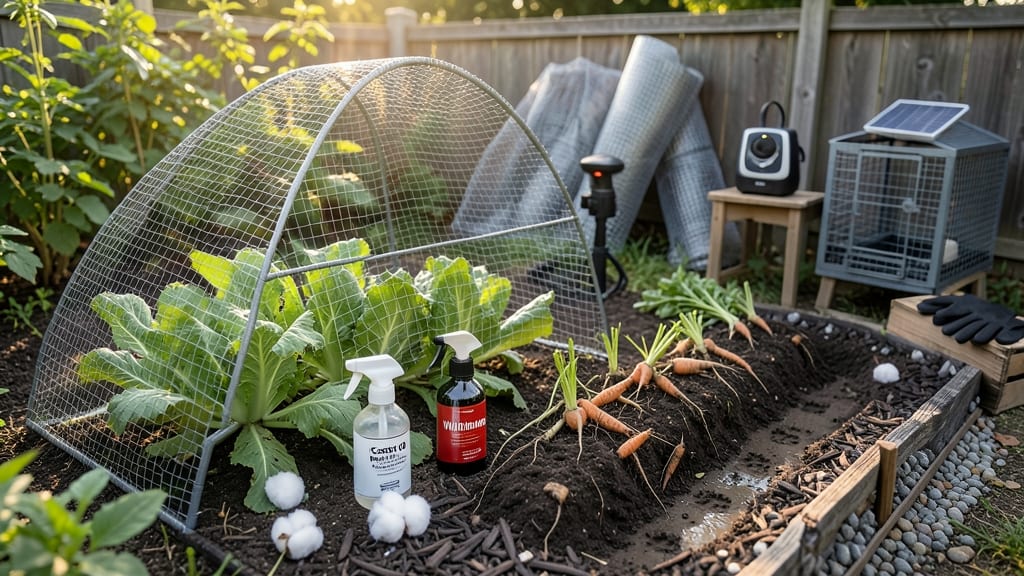
How to get rid of chipmunks digging up your garden feels like a losing battle—until you try this boil-and-pour trick. 🌱 I’ve buried my share of bulbs and seeds to these striped bandits, but this method actually works by cutting off their escape routes for good. No traps, no poisons—just a simple, humane solution that makes them move on. The secret? A hot, soapy water barrier poured directly into their burrow tunnels. Chipmunks hate the smell of castile soap, and the heat forces them out for good. You’ll need a kettle, some dish soap, and a long spoon—no fancy tools, just elbow grease. It’s fast, cheap, and garden-safe, unlike chemical sprays that harm plants and pollinators. Once the burrows are sealed, you’ll notice fewer tunnels popping up overnight. Your seeds stay planted, bulbs stay buried, and the chipmunks? They’ll relocate to a less determined gardener’s yard. The best part? This works for squirrels and voles too—same method, same results. For extra protection, add hardware cloth barriers around new plantings and keep bird feeders far from the garden. Chipmunks are persistent, but this combo keeps them out for good. Let’s get those burrows sealed!
Root Causes Of Chipmunk Intrusions
Chipmunks may seem like harmless, cute rodents, but when they invade your yard or property, they can cause significant damage to gardens, stored food, and even structural foundations. Understanding why these striped critters take up residence near human spaces is the first step in preventing their unwelcome presence.
Below, we break down the science-backed reasons behind chipmunk infestations—so you can address the root of the problem before it spirals out of control.
Chipmunks are omnivorous opportunists, meaning they’ll eat almost anything—seeds, fruits, vegetables, insects, and even human food scraps.
Their natural diet is packed with high-energy foods like nuts, berries, and grains, but when these resources become scarce in their wild habitats, they turn to easier targets: your garden, bird feeders, and outdoor trash bins.
Here’s the science:
- Cache-Reliant Behavior: Chipmunks store food in underground burrows (called "caches") for winter survival. If they can’t find enough natural food, they’ll raid human-stored supplies—think unsecured compost piles, pet food left outdoors, or even open garbage cans.
- Seasonal Scarcity: During late summer and early fall, chipmunks aggressively forage to build fat reserves for hibernation. If your yard is lush with easy-access plants (like hostas, tulip bulbs, or corn), they’ll treat it like an all-you-can-eat buffet.
- Human Food Attraction: Scents from peanut butter, birdseed, or even pet food can travel hundreds of feet and act as a dinner bell. Chipmunks have an exceptional sense of smell (up to 10,000 times more sensitive than humans) and will follow these trails directly to your property.
💡 Pro Tip: If you’ve noticed chipmunks digging near your trash cans or scratching at your garden beds, they’re not just passing through—they’re scouting for a permanent food source. Securing these entry points is critical.
Chipmunks are solitary burrowers, and their survival depends on finding safe, dry, and secluded dens. Unlike mice or rats, they don’t nest in walls or attics—they prefer underground tunnels with multiple chambers for sleeping, storing food, and raising young.
If your yard or property provides the perfect conditions, they’ll move in permanently.
The key factors that attract them:
- Loose, Soft Soil: Chipmunks can dig up to 10 feet deep in just a few hours if the soil is sandy, loose, or poorly compacted. Areas with recently turned earth (like garden beds, construction sites, or mulch piles) are prime real estate.
- Proximity to Water: They need access to moisture for survival, so yards with leaky hoses, standing water, or irrigation systems become magnetically appealing.
- Undisturbed Areas: Chipmunks avoid high-traffic zones. If you have dense shrubbery, overgrown grass, or wood piles, they’ll treat it as a hidden sanctuary.
- Warmth Retention: South-facing slopes, rock piles, or areas near foundations retain heat, making them ideal for burrow construction—especially in cooler climates.
🚨 Warning Sign: If you spot small, cone-shaped mounds of dirt (freshly dug holes) or chewed plants near the base of trees, chipmunks have already claimed your property as their personal real estate.
Chipmunks are prey animals, and their survival depends on avoiding predators like owls, foxes, snakes, and domestic cats. However, in suburban and urban areas, these natural threats are often nonexistent, giving chipmunks free rein to expand their territory without fear.
Why does this lead to overpopulation?
- Urban Safety Net: Lawns, gardens, and manicured yards provide perfect cover from predators, while lack of hunting pressure means chipmunks reproduce unchecked.
- High Reproduction Rates: A single female chipmunk can produce 2-4 litters per year, with each litter containing 4-8 young. Without predators to cull the population, numbers explode.
- Habitat Fragmentation: As natural forests shrink, chipmunks spill into human spaces in search of food and shelter, leading to aggressive territorial behavior.
🔍 Key Observation: If you’re seeing multiple chipmunks in one area (rather than just one or two), it’s a sign that predator control is missing, and the population is booming unchecked.
Chipmunks are highly seasonal creatures, and their behavior shifts dramatically with temperature, rainfall, and daylight changes. Understanding these patterns helps explain why they suddenly appear in your yard at certain times of year.
Key seasonal triggers:
- Spring (March–May):
- Chipmunks emerge from hibernation hungry and aggressively forage to rebuild fat reserves.
- They mate and establish territories, leading to more visible activity as they mark boundaries with scent glands.
- Summer (June–August):
- They focus on food caching for winter, leading to intense digging in gardens and lawns.
- Young chipmunks (from spring litters) disperse, increasing the chance of new infestations in your area.
- Fall (September–November):
- Chipmunks hyper-forage to stockpile food before hibernation, making them more bold and persistent.
- They seal burrow entrances and enter torpor (a light hibernation), but may still raid food sources if undisturbed.
- Winter (December–February):
- Most chipmunks hibernate, but some may remain active in mild climates, especially near unsecured food sources.
- If they wake early due to warm spells, they’ll forage aggressively before returning to hibernation.
🌡️ Climate Connection: In warmer regions, chipmunks may remain active year-round, while in colder zones, their behavior becomes highly seasonal. This explains why some homeowners only notice chipmunks in spring or fall—they’re following their natural life cycle.
Now that you know why chipmunks invade, the next step is how to
Practical Fixes for Chipmunk Problems
Now that you understand why chipmunks are invading your space, let’s tackle the solutions—permanently. These fixes target the root causes while keeping your yard, garden, and home safe. From natural deterrents to long-term prevention, here’s how to reclaim your space.
Chipmunks dig extensive burrow systems, making them hard to eliminate without sealing entry points.
- 🔧 Fill and Seal Burrows - Use a boil-and-pour barrier (like the one in this article) to smother active burrows.
Pour boiling water or a vinegar-salt mixture directly into the tunnels to kill occupants and deter future digging. - After treatment, fill burrows with gravel or hardware cloth to prevent reinfestation. Compact the soil firmly to discourage new tunnels.
- 🏗️ Install Physical Barriers
- Bury hardware cloth (¼-inch mesh) at least 12 inches deep around garden beds, patios, and foundation perimeters.
- For raised beds, wrap the bottom with metal flashing to block digging.
Chipmunks hate strong smells and tastes. Use these non-toxic methods to make your property unappealing.
- 🌿 Plant Unwanted Scents
- Daffodils, marigolds, and alliums emit odors chipmunks avoid. Plant these near entry points.
- Crushed red pepper flakes or cayenne pepper sprinkled around burrows and food sources creates a spicy barrier they’ll bypass.
- 🍋 Citrus and Spice Sprays
- Mix peeled citrus peels (lemon, orange) with hot water, strain, and spray around problem areas.
- Add garlic or predator urine (coyote/fox) to homemade sprays for extra deterrence. Reapply every 3–5 days after rain.
A chipmunk’s motivation? Easy meals and cozy hiding spots. Eliminate these, and they’ll move on.
- 🗑️ Secure Trash and Compost
- Use bear-proof bins or locking lids on trash cans. Chipmunks will raid open garbage for scraps.
- Compost piles? Bury food waste deep and add lime to reduce odor (chipmunks hate it).
- 🥘 Store Pet Food Indoors
- Leave pet food outside? Chipmunks will dig under feeders. Switch to elevated, enclosed feeders with tight lids.
- Clean up spilled seeds from bird feeders immediately—this is a buffet for them!
Once you’ve evicted them, keep them out with smart landscaping and habits.
- 🌡️ Adjust Water Sources
- Chipmunks need water. Remove shallow birdbaths or puddles and replace with deep, narrow containers (harder for them to access).
- Add a thin layer of oil to water sources (like a small pond) to deter them.
- 🎯 Landscape with Deterrents
- Rock mulch or gravel around plants makes digging difficult.
- Prune bushes near your home to remove hiding spots—chipmunks love dense foliage.
- Install motion-activated sprinklers (like ScareCrow) to startle them when they approach.
- 💡 Rotate Repellents – Chipmunks adapt.
Switch between sprays, barriers, and food removal every few weeks. - 🔥 Early Action Wins – The sooner you act, the easier it is to prevent burrow expansion. - 🌡️ Timing Matters – Treat burrows in late summer/early fall when chipmunks are most active before hibernation. - 🎯 Monitor and Maintain – Check for new tunnels or chewed plants weekly and reinforce barriers as needed.
By combining burrow elimination, scent deterrents, food removal, and smart landscaping, you’ll send chipmunks packing—for good. No more stolen snacks, ruined gardens, or unsightly mounds—just a pest-free zone!
Frequently asked questions
Why does boiling water work to get rid of chipmunks?
The heat forces chipmunks out of their burrows instantly, while the steam kills any remaining occupants. Chipmunks avoid these tunnels afterward because they associate them with danger. This method is humane—it doesn’t trap or harm them, just makes their home uninhabitable.
Can I use this method for squirrels or other burrowing pests?
The boil-and-pour technique works on squirrels, voles, and even gophers—any creature that relies on underground tunnels. The key is targeting their escape routes. Just adjust the depth of your pour based on the animal’s burrow size (deeper for squirrels, shallower for voles).
How often should I reapply repellents like pepper or citrus sprays?
Every 3–5 days after rain or heavy watering, as smells fade quickly. For long-term protection, combine sprays with physical barriers (like hardware cloth) and remove food sources. Chipmunks adapt fast, so rotate repellents to keep them guessing.
Will chipmunks come back after I seal their burrows?
Possibly, but it’s less likely if you combine methods. Seal burrows with gravel, remove food sources, and use deterrents like daffodils or motion sprinklers. Chipmunks are persistent, but consistent effort keeps them moving on to easier targets.
Are there any plants that naturally repel chipmunks?
Yes! Daffodils, marigolds, and alliums (like garlic or onions) emit scents chipmunks dislike. Plant them near problem areas or around your garden’s perimeter. Bonus: They’re beautiful and help deter other pests like rabbits too!