
Pests
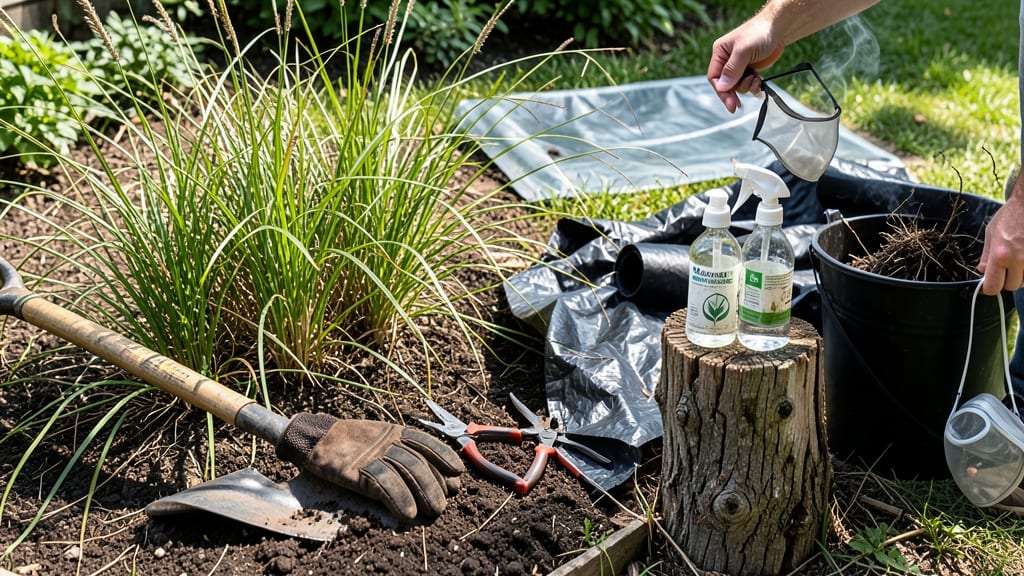
How to get rid of cogongrass—this invasive weed spreads like wildfire, choking gardens, clogging drainage, and outcompeting everything in its path. 🌱 I’ve battled this aggressive menace for years, and the smother-and-slash method is the only way to truly starve it out before it takes over your yard. It’s relentless, but with the right approach, you can reclaim your space.
The key is persistence: dig up what you can, then smother the roots with thick layers of cardboard or black plastic to block sunlight. Cogongrass can’t survive without light, and this method weakens it over time.
You’ll need a sharp shovel, heavy-duty mulch, and patience—this isn’t a quick fix, but it works. Most gardeners give up too soon; don’t be one of them.
By the end of a growing season, you’ll see new growth slow to a crawl, and with repeated smothering, the infestation will shrink dramatically. The secret is consistency—check for regrowth monthly and slash it back before it gains strength.
Your yard will thank you when those stubborn rhizomes finally stop spreading.
This method works best in warm climates where cogongrass thrives, but even in cooler regions, the principles apply. Just adjust timing to avoid winter dormancy. Safety note: wear gloves and long sleeves—this plant is aggressive, and its sap can irritate skin. Let’s get started on eradicating it for good.
📚 In This Guide
- What you need
- Instructions
- Tips and common mistakes
- Wrapping up and next steps
What you need
- ● Heavy-duty gloves (waterproof, long cuffs) – 1 pair (protect your hands from thorns and chemicals!)
- ● Safety goggles – 1 pair (to shield your eyes from debris and sap)
- ● Pruners or loppers – 1 pair (sharp, high-quality, with long handles for thick stalks)
- ● Shovel or mattock – 1 unit (for digging out deep roots)
- ● Black plastic sheeting – 10+ ft² per infested area (6-8 mil thickness for durability)
- ● Staple gun or heavy-duty staples – 1 unit (to secure the plastic tightly)
- ● Hoe or cultivator – 1 unit (for clearing surrounding soil)
- ○ Glyphosate herbicide (optional but effective) – 1 gallon (follow label instructions for concentration)
- ● Weed torch – for spot-treating stubborn regrowth
- ● Post-emergent herbicide (e.g., imazapyr) – for follow-up treatment
- ● Mulch or landscape fabric – to prevent regrowth after smothering
- ● Disposable trash bags – for hauling cut cogongrass (double-bag to contain seeds!)
- ● Work boots – for comfort and ankle protection
Step-by-Step instructions for eliminating cogongrass
This smother-and-slash method works—just be patient and persistent. Cogongrass is tough, but you can starve it out.
🌱 Step 1: Identify and Clear the Area
Start by cutting down all visible cogongrass stems at the base with a sharp shovel or machete. You want to remove as much of the plant as possible, but don’t worry about tiny roots left behind—they’ll still die. Wear gloves and long sleeves, as the sap can irritate skin. I like to work in small sections (about 3 feet by 3 feet) so I don’t miss any patches.
After cutting, rake up the debris and dispose of it in sealed bags—never compost it, as even small pieces can regrow. This step is critical because cogongrass spreads aggressively through underground rhizomes, so removing as much plant material as possible weakens its ability to regenerate.
✂️ Step 2: Apply a Thick Smother Layer
Cover the cleared area with a thick layer of cardboard or thick black plastic sheeting (at least 2-3 layers of cardboard or 4-6 mil thick plastic). Secure the edges tightly with rocks, bricks, or soil to prevent light from sneaking in. Cogongrass can’t survive without sunlight, so blocking it out for at least 6-12 months will starve the remaining roots.
Check the edges weekly for any sprouts that might have escaped the initial cut. If you spot new growth, trim it immediately and re-smother the area. I’ve found that adding a 2-inch layer of mulch over the plastic helps keep it in place and blocks even more light. Patience is key here—don’t peek under the cover too often, or you’ll risk disturbing the roots.
☀️ Step 3: Monitor and Repeat as Needed
After 6 months, lift a corner of the smother layer to check for new growth. If you see any shoots, trim them and extend the smothering period for another 3-6 months. Cogongrass can be stubborn, so don’t rush—some areas may take up to 2 years of consistent smothering to fully eliminate. I’ve seen it take longer in shady or moist areas, so adjust your timeline accordingly.
Once the area is completely clear, keep an eye on it for at least 1 year to ensure no new sprouts appear. If you notice any regrowth, repeat the smothering process immediately. The goal is to break the rhizome network completely, so persistence pays off.
🪴 Step 4: Restore the Soil (Optional)
After confirming the area is cogongrass-free, remove the smother layer and rake the soil to aerate it. If the soil looks depleted, mix in a 2-inch layer of compost to restore nutrients. This step is optional but helps if you plan to replant the area. Cogongrass depletes soil quality, so giving it a boost ensures healthy regrowth for your desired plants.
If you’re replacing the area with grass or ground cover, choose competitive species like Bermuda grass or clover, which can outcompete any lingering cogongrass rhizomes. Mulching with wood chips or straw after planting also helps suppress weeds and keeps the area cogongrass-free long-term.
Tips & tricks for eliminating cogongrass effectively
Real talk: Cogongrass might be stubborn, but these tricks will help you tackle it like a pro.
Precision Cutting Matters: When you're clearing the area in Step 1, aim to cut just below the soil line—this prevents regrowth from the base. I've found that using a sharp machete or shovel makes this easier, and working in small sections (3 feet by 3 feet) helps you spot any missed patches. The goal is to remove as much plant material as possible without worrying about tiny roots, since they'll still die without sunlight.
Smothering Secrets: For Step 2, don't skimp on the layers! At least 2-3 sheets of cardboard or 4-6 mil thick black plastic is non-negotiable. I've seen people use old mattresses or thick blankets in a pinch, but these can break down faster. The key is complete light blockage—even a tiny gap can let sunlight through and allow regrowth. Secure those edges tightly with rocks or soil to keep everything in place.
Patience Pays Off: The 6-12 month smothering period in Step 3 might seem long, but it's crucial. I've learned the hard way that peeking too often disturbs the roots and can trigger new growth. Mark your calendar and check only when absolutely necessary. In shady or moist areas, you might need to extend this period—don't rush, or you'll risk leaving some rhizomes alive to regenerate.
Soil Restoration Hack: If you're planning to replant after Step 4, consider adding a thin layer of wood ash to the compost. The potassium helps restore soil balance after cogongrass depletion. I've had great success with Bermuda grass or clover as ground cover—they're tough enough to outcompete any lingering rhizomes that might try to sprout.
Pro Tips for Get Rid Of Cogongrass
- Real talk: Cogongrass might be stubborn, but these tricks will help you tackle it like a pro.
- Precision Cutting Matters: When you're clearing the area in Step 1, aim to cut just below the soil line—this prevents regrowth from the base.
- Smothering Secrets: For Step 2, don't skimp on the layers!
Frequently asked questions
How long does it take to fully eliminate cogongrass?
Cogongrass can take 2-5 years to fully eradicate with the smother-and-slash method, depending on climate and persistence. Early intervention (like smothering regrowth) speeds up the process. Stay vigilant! Even small rhizomes can sprout new plants.
Can I use herbicides instead of smothering?
Yes, but glyphosate-based herbicides are most effective—apply when plants are actively growing (spring/fall). Warning: Cogongrass has deep roots; repeat treatments may be needed. Always follow label instructions for safety and efficacy.
What’s the best time of year to smother cogongrass?
Smother in late spring or early summer when plants are tall but before seeds form. Use thick mulch (cardboard + soil) to block sunlight. Fall smothering also works but may require longer coverage due to cooler temps.
Why does cogongrass keep coming back after I cut it down?
Cogongrass spreads via rhizomes—underground stems that regrow even from tiny fragments. Solution: Cut low (1-2 inches above ground), then smother or treat stumps with herbicide to starve remaining roots.
Can I till the soil to remove cogongrass?
Tilling can spread rhizomes deeper and worsen infestations. Instead, dig out roots manually (wear gloves!) or use smothering. If tilling is unavoidable, do it in dry conditions and dispose of debris properly.
Pro Tip: Monitor for 2+ years—new shoots may appear even after initial eradication!
Wrapping up and next steps
Cogongrass may be tough, but with the right tools and persistence—like the smother-and-slash method—you can reclaim your yard! 🌱 Start by removing as much of the invasive plant as possible, then smother the roots with thick layers of cardboard or mulch.
Stay consistent, and don’t forget to monitor for regrowth. Your efforts will pay off in a healthier, cogongrass-free landscape.
Ready to take action? Grab your supplies, roll up your sleeves, and begin today! Every small step makes a big difference—your future self (and your plants) will thank you. 💪