
Pests
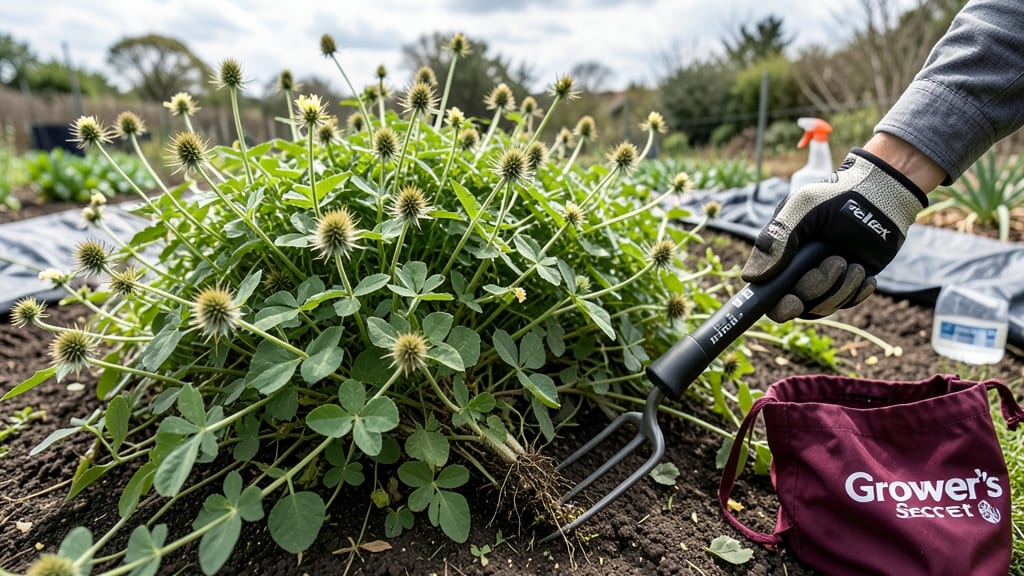
How to get rid of goathead weeds—the gardener’s worst nightmare—spiky, stubborn, and impossible to ignore. ✨ I’ve wrestled with these invasive pests for years, and the boiling water drench method finally gave me the upper hand by killing roots in minutes. The secret lies in timing and technique: pull weeds when soil is moist, then pour boiling water directly onto the roots. No chemicals, no regrowth—just pure, satisfying eradication. You’ll need gloves, a kettle or hose attachment, and patience for the steam to work its magic. By the end of the process, your lawn or garden will be free of those painful seed heads, and the soil will stay weed-free for weeks. The method works best in warm climates but can be adapted for cooler regions with a few tweaks. This isn’t just about quick removal—it’s about protecting your garden’s health long-term. Let’s tackle these weeds for good.
The Hidden Triggers Behind Goathead Growth
Goathead weeds—those spiky, stubborn invaders—don’t just pop up out of nowhere. Their persistence is the result of a mix of environmental, biological, and even human-made factors. Understanding why they thrive is the first step to stopping them in their tracks.
Let’s break down the science behind their spread and how you can use that knowledge to reclaim your yard.
Goathead weeds (often Tribulus terrestris or Cenchrus echinatus) love disturbed, nutrient-poor soil—think construction sites, cracked pavement, or overworked lawns. Here’s why:
- Compacted or Poor Soil: Goatheads thrive in areas where grass struggles to grow, like clay-heavy or sandy soils with low organic matter. Their shallow roots take advantage of any gap in competition.
- High pH or Salinity: Soils with a pH above 7.0 or high salt content (common in drought-prone regions) stress out desirable plants, leaving room for weeds like goatheads to dominate.
- Disturbed Ground: Construction, foot traffic, or even pet digging aerates the soil, creating the perfect seedbed for goathead seeds to germinate. A single disturbance can trigger a mass of new sprouts.
Actionable Fix: Test your soil’s pH and amend it with compost or sulfur if needed. Overseed bare spots with a dense grass like Bermuda or zoysia to outcompete weeds.
Goatheads are opportunistic annuals that germinate in response to specific weather triggers. Their lifecycle is tightly linked to:
- Heat and Dry Spells: They germinate best in warm soil (70–90°F), often after summer rains or irrigation. Once established, they love drought conditions, making them a nightmare in arid climates.
- Sudden Rainfall After Dormancy: A dry winter followed by a heavy spring rain can wake up thousands of dormant seeds at once, leading to a sudden infestation.
- Late Summer Germination: Unlike cool-season weeds, goatheads often sprout in August–October, avoiding competition from summer grasses.
Actionable Fix: Monitor your yard after heatwaves or irregular rains. Pre-emergent herbicides (applied in early spring) can block seeds before they sprout.
Goatheads don’t just grow fast—they’re built for survival. Their biology makes them nearly impossible to eradicate without the right strategy:
- Explosive Seed Dispersal: When mature, goathead fruits (the spiky burrs) burst when stepped on or disturbed, shooting seeds up to 13 feet away. One plant can produce 1,000+ seeds per season.
- Deep Seed Dormancy: Seeds can lie dormant in the soil for 5–10 years, waiting for the perfect conditions to germinate. This means even if you kill the visible weeds, new ones can pop up years later.
- Root Resilience: While goatheads have shallow roots, their taproot (in some species) can regrow from fragments, making manual pulling ineffective unless you remove every bit.
Actionable Fix: Wear gloves and bag all spiky burrs to prevent seed spread. For stubborn patches, use a boiling water drench (like the method in this article) to kill roots and seeds in the soil.
Sometimes, we accidentally create the ideal goathead habitat. Common human mistakes include:
- Overwatering or Irregular Watering: Goatheads thrive in unpredictable moisture. Drip irrigation leaks or sporadic watering create pockets of wet/dry soil—perfect for germination.
- Lack of Mulch or Ground Cover: Bare soil (especially in garden beds or pathways) gives goatheads a head start. Mulch suppresses weeds by blocking sunlight and seeds.
- Ignoring Small Infestations: A few goatheads might seem harmless, but their seeds spread exponentially. By the time they cover your yard, it’s a 10x harder battle.
- Using the Wrong Herbicides: Post-emergent herbicides (like glyphosate) can kill the plant but not the seeds. Pre-emergent is key for prevention.
Actionable Fix: Walk your property weekly in peak growing seasons (spring/fall) to spot and remove goatheads before they seed. Use pre-emergent herbicide in early spring and mulch garden beds with 2–3 inches of straw or wood chips.
Now that you know the science behind goathead weeds, you’re armed to disrupt their lifecycle. The next step? Attack them at the root with heat, precision, and persistence.
How to Fix Goathead Weeds Fast
Got goathead weeds wreaking havoc in your yard? These spiky invaders are tough, but with the right approach, you can banish them for good. Below are practical, step-by-step solutions tailored to the most common causes—plus prevention tips to keep them from coming back.
Goathead weeds thrive because their roots are deep and stubborn. Boiling water is your secret weapon—it kills roots on contact, but manual removal still works for smaller patches.
How to Do It:
- 👨🍳 Wait for the Right Time
- Pull weeds after rain or watering when soil is soft (early morning is best).
- Avoid dry conditions—roots will snap, leaving fragments behind.
- 🔪 Grab the Right Tools
- Use gloves (those spikes hurt!) and a hand trowel or weeding fork for stubborn roots.
- For large patches, a dandelion digger works wonders.
- 🌱 Twist and Tug (Don’t Just Pull!)
- Grasp the weed as close to the base as possible.
- Twist sharply while pulling upward to break the root.
- Check for remaining root fragments—even a tiny piece can regrow!
- 💡 Pro Tip:
- Boiling water boost: After pulling, pour 1 cup of boiling water directly on the hole to kill leftover roots.
Goathead weeds hate heat—boiling water is a chemical-free, fast-acting solution that penetrates deep.
How to Do It:
- ⏰ Best Time to Treat
- Apply on a sunny day (weeds are already stressed from heat).
- Avoid windy days—water should stay on the target.
- 🍲 Boil & Pour Method
- Fill a kettle, pot, or even a watering can with water.
- Bring to a rolling boil (212°F+ for maximum effectiveness).
- Slowly pour boiling water directly over the weed’s base (aim for the soil around the root).
- Repeat 2-3 times for stubborn weeds.
- 🌱 Follow-Up Care
- Reapply in 3-5 days if new growth appears (young shoots are easier to kill).
- Mulch the area with cardboard + straw to smother regrowth.
- ⚠️ Safety First!
- Wear gloves and eye protection—boiling water can cause burns.
- Avoid nearby plants—test a small area first if treating garden beds.
If manual removal isn’t enough, herbicides and natural sprays can help—but use them strategically.
Option 1: Vinegar + Salt + Dish Soap (DIY Herbicide)
- Mix: 1 gallon white vinegar (20% acidity) + 1 cup salt + 1 tbsp dish soap.
- Spray directly on leaves (avoid desirable plants—it’s non-selective).
- Reapply every 2-3 days until weeds die (takes 1-2 weeks).
Option 2: Glyphosate (For Large Infestations)
- Use a glyphosate-based herbicide (like Roundup) only on goathead weeds—don’t spray near grass or veggies.
- Follow label instructions—overuse can harm soil.
- Best for: Driveways, sidewalks, or areas where other plants won’t be affected.
💡 Pro Tip:
- Pre-emergent herbicides (like corn gluten meal) can prevent goathead seeds from sprouting in spring.
The best defense? Make your yard unwelcoming to goathead weeds.
1. 🌱 Improve Soil Health
- Goatheads love poor, compacted soil. Fix it with:
- Compost (adds nutrients and loosens soil).
- Organic mulch (straw, wood chips) to block sunlight.
2. 🚫 Block Seed Germination
- Remove weeds before they seed (goatheads produce thousands of seeds per plant).
- Hand-pull or smother new sprouts immediately.
3. 🌞 Encourage Competition
- Plant dense ground covers (clover, creeping thyme) or grasses to outcompete weeds.
- Overseed bare spots in lawns to fill gaps.
4. 🔄 Regular Maintenance
- Pull weeds weekly in high-risk areas (driveways, walkways).
- Rake up debris—goathead seeds hide in mulch and thatch.
For fast, long-term control, mix these strategies:
- Boil + Pull (immediate kill).
- Mulch + Vinegar Spray (prevent regrowth).
- Improve soil (so weeds can’t take hold).
Stick with it! Goathead weeds are persistent, but with consistent effort, you’ll reclaim your yard in weeks—not years. 🚀
Frequently asked questions
Why do goathead weeds keep coming back even after I pull them?
Those spiky weeds have deep taproots and can regrow from even tiny root fragments left in the soil. Plus, their seeds stay dormant for 5-10 years, waiting for the perfect conditions. Always pull when soil is moist and check for remaining roots—boiling water after pulling helps kill any hidden fragments.
Is boiling water safe for my lawn or garden plants?
Only use boiling water on bare soil or weeds—never near desirable plants. The heat can damage grass roots and garden crops. For lawns, spot-treat only the weeds, and for garden beds, apply carefully while wearing gloves and eye protection to avoid burns.
What's the best time of year to tackle goathead weeds?
Target them in late summer (August-October) when they're actively growing but before they seed. Early spring is also good for pre-emergent treatments. Avoid treating during drought—moist soil makes pulling easier and helps boiling water penetrate deeper.
Will vinegar really kill goathead weeds?
Yes, but you need 20% acetic acid vinegar (not the 5% grocery store kind) mixed with salt and dish soap for best results. Spray directly on leaves—it works by dehydrating the plant, but you'll need to reapply every 2-3 days until they're completely dead. It's non-selective, so avoid spraying near plants you want to keep.
How do I prevent goathead seeds from spreading when I remove them?
Always wear gloves and immediately bag or dispose of the spiky seed heads—they burst when disturbed, shooting seeds up to 13 feet away. Never compost them, and consider wearing a mask if you're pulling large patches to avoid inhaling the tiny seeds.