
Lawn
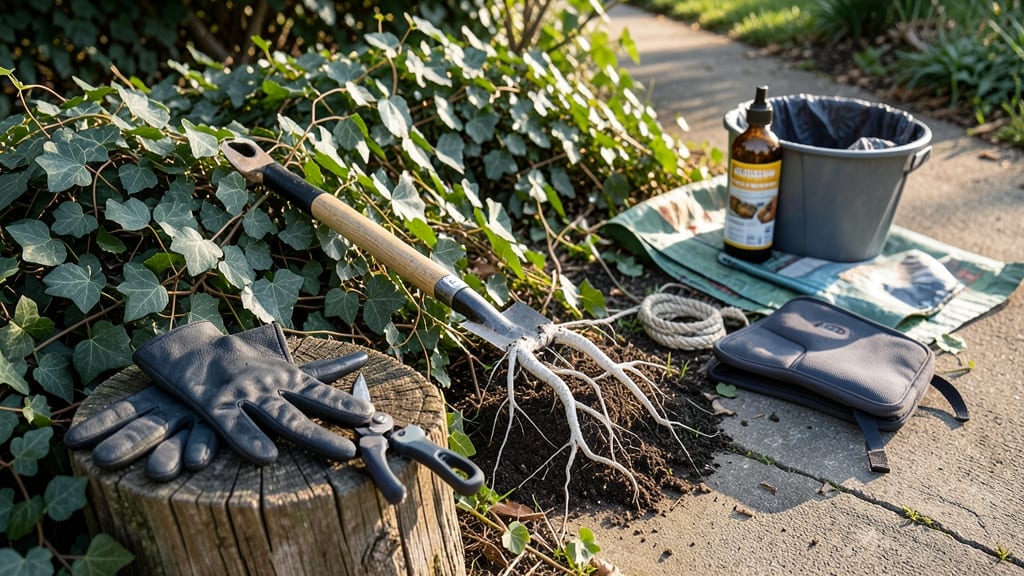
How to get rid of lawn ivy—that sneaky ground cover that strangles your lawn—requires a clever, chemical-free approach. I’ve battled this tenacious weed for years until I discovered boiling water smothering, which kills it in minutes without harsh chemicals. The secret? Targeting the roots while avoiding nearby plants you actually want to keep. This method works best on sunny days when the ivy’s leaves are fully exposed. Grab a kettle, fill it with water, and let it boil for 3-5 minutes. Pour it directly onto the ivy’s leaves and stems, focusing on thick clusters. The heat kills the plant instantly, and you’ll see results within hours—not weeks like with herbicides. What you’ll end up with is a lawn free of creeping ivy, ready for reseeding or replanting. The soil stays intact, and beneficial microbes aren’t disrupted like they are with chemical treatments. Just avoid pouring on desirable plants—this is precision work. For stubborn patches, repeat the process weekly until the ivy stops regrowing. And here’s the kicker: this technique is safer for pets and kids than most store-bought weed killers. Let’s tackle that ivy once and for all!
📚 In This Guide
- What you need
- Instructions
- Tips and common mistakes
- Wrapping up and next steps
What you need
- ● Boiling water: At least 1–2 gallons per square yard of lawn ivy (use a large pot, kettle, or even a boiling-water dispenser for convenience).
- ● Heavy-duty gloves: Waterproof, long-sleeved (e.g., rubber or neoprene) to protect your hands from burns and sap.
- ● Long-sleeved shirt and pants: 100% cotton or thick fabric to shield skin from accidental splashes.
- ● Garden shears or pruners: Sharp, sturdy (for trimming larger patches before treatment).
- ● Plastic sheeting or tarp: 6–10 ft wide (to cover nearby plants or soil if you’re cautious about collateral damage).
- ○ Garden hose with nozzle: For rinsing off residue or wetting the area beforehand (optional but helpful).
- ● Rake or stiff-bristle brush: To scrape up dead ivy after treatment.
- ● Vinegar (10–20% acetic acid): Mix 1 part vinegar to 1 part water for a pre-treatment spray (boosts effectiveness).
- ● Corn gluten meal: 1–2 lbs (sprinkle after treatment to prevent regrowth).
- ● Safety goggles: If you’re working near sensitive plants or in windy conditions.
- ● Wheelbarrow or bucket: For carrying boiling water or debris.
- ● Disposable gloves or old towels: For handling hot tools or wiping spills.
Step-by-Step instructions for eliminating lawn ivy
Here's the method I've used to clear stubborn lawn ivy patches—fast, chemical-free, and effective in just a few minutes.
🌱 Step 1: Identify and Clear the Area
Start by identifying the full extent of the lawn ivy growth. This creeping vine thrives in shaded areas, so you'll often find it spreading under trees, along fences, or in dense grass. Use a garden knife or trowel to carefully cut away the visible stems and roots from the surface of the lawn. Be thorough but avoid tearing the grass—this helps prevent further spread while minimizing damage to your lawn.
Work in small sections, about 3 feet by 3 feet at a time, so you can focus on each area without missing spots. If the ivy has thickened into a dense mat, you may need to remove some of the top growth first to expose the roots. This step ensures the boiling water treatment will reach the root system effectively.
💧 Step 2: Prepare Boiling Water Treatment
Fill a large watering can or a sturdy container with water and bring it to a full boil. Boiling water is the key to killing lawn ivy because it instantly denatures the plant cells, cutting off their ability to absorb nutrients and grow. For best results, use about 1 gallon of boiling water per square foot of infested area.
Keep the water at a rolling boil until you're ready to apply it. If you're working in a large area, you may need to boil water in batches. Have a helper or a stable surface nearby to hold the container—boiling water is heavy and can cause burns if mishandled. This step is where the magic happens, so don't rush it.
☀️ Step 3: Apply Boiling Water Directly to the Ivy
Slowly pour the boiling water directly over the exposed roots and stems of the lawn ivy. Focus on the areas where the ivy is thickest, as these are the most resistant to treatment. You'll see the ivy immediately wilt and turn brown or black as the water hits it. This reaction confirms the treatment is working—don't be alarmed if it looks dramatic.
Work methodically, overlapping each pour slightly to ensure full coverage. Avoid pouring water on the surrounding grass, as it can scorch healthy blades. If you accidentally spill boiling water on the lawn, rinse the area with cool water immediately to protect the grass. Repeat this step for any remaining patches of ivy until the entire area is treated.
✂️ Step 4: Monitor and Retreat if Necessary
After treating the area, monitor it closely over the next 1-2 weeks. Lawn ivy can be persistent, and some roots or stems may survive the initial treatment. If you notice any regrowth, repeat the boiling water process on the new shoots. This step is critical because even small patches of ivy can spread quickly if left unchecked.
Once the ivy is completely gone, you can reseed or sod the bare spots to restore your lawn. Choose a grass variety that thrives in the shaded conditions where the ivy grew—this helps prevent future invasions. Over time, a healthy lawn will outcompete any remaining ivy roots, keeping your yard looking neat and green.
🌿 Step 5: Prevent Future Growth
To keep lawn ivy from returning, focus on maintaining a thick, healthy lawn. Regular mowing, proper watering, and occasional fertilization will make your grass more competitive. If you notice any new ivy sprouts, remove them immediately before they take hold. Consider applying a pre-emergent herbicide in early spring to further discourage ivy growth.
I also recommend checking the edges of your lawn and nearby garden beds regularly. Lawn ivy often spreads from these areas, so staying vigilant is key. With consistent care, you can keep your lawn ivy-free and enjoy a lush, weed-free yard all season long.
Tips & tricks for eliminating lawn ivy effectively
Here's what I've learned from tackling lawn ivy the hard way—these tricks will help you work smarter, not harder.
Precision in Step 1: When clearing the ivy in Step 1, focus on exposing the roots completely. I've found that using a garden knife to make shallow cuts around the perimeter of thick mats helps lift them more easily. This creates better access for the boiling water treatment in Step 2, ensuring you hit those stubborn root systems where it counts.
Safety First with Boiling Water: In Step 2, never pour boiling water directly from the stove—always transfer it to a large watering can or sturdy container first. I learned this the hard way when I nearly tipped a pot of boiling water on myself. Use thick gloves and have a fire extinguisher nearby just in case, since boiling water can cause serious burns. Also, keep kids and pets well away from the treatment area during this process.
Targeted Application in Step 3: When applying the boiling water in Step 3, work in concentric circles from the center of the ivy patch outward. This method ensures you don't miss any hidden stems or roots, especially in dense growth areas. I've seen ivy regrow from untreated spots, so thorough coverage is key. For thick patches, you might need to apply the water twice to fully penetrate the mat.
Post-Treatment Care: After treating, don't be tempted to pull up any remaining browned ivy immediately. In Step 4, wait at least 24 hours to let the boiling water fully penetrate the plant cells. I've found that the most persistent ivy often needs this extra time to completely die off. Once the area is clear, water the spot regularly to encourage new grass growth in the treated area.
Pro Tips for Get Rid Of Lawn Ivy
- Here's what I've learned from tackling lawn ivy the hard way—these tricks will help you work smarter, not harder.
- Precision in Step 1: When clearing the ivy in Step 1, focus on exposing the roots completely. I've found that using a...
- Safety First with Boiling Water: In Step 2, never pour boiling water directly from the stove—always transfer it to a ...
Frequently asked questions
Is boiling water safe to use on my lawn?
Yes! Boiling water is an eco-friendly way to kill lawn ivy without harsh chemicals. Just ensure you’re targeting the entire plant (roots and all) and avoid oversaturating the soil—it can harm nearby grass if overused. For best results, focus on small patches first.
How long does it take for lawn ivy to die after treatment?
You’ll see results within 24–48 hours—the leaves will wilt and turn brown. However, the roots may linger for up to 2 weeks. Reapply boiling water if regrowth appears. For stubborn spots, pair it with a vinegar spray (1:1 ratio with water) for extra oomph.
Will lawn ivy grow back if I don’t remove the roots?
Absolutely!
Lawn ivy spreads via underground runners, so digging out the roots is key. Use a trowel or weeding tool to pull them up at least 6 inches deep. For thick infestations, smother the area with cardboard or landscape fabric after treatment to block regrowth.
Are there chemical-free alternatives to boiling water?
Try these natural methods:
- Salt spray: Mix 1 cup salt with 1 gallon of water and spray directly on the ivy (avoid desirable plants—salt can harm them too!).
- Vinegar solution: Use undiluted white vinegar in a spray bottle and reapply every 3–4 days until the ivy dies.
- Manual removal: Wear gloves and pull the ivy early in the morning when the soil is moist for easier extraction.
What should I do if the ivy keeps coming back after treatment?
Persistent ivy often means hidden roots or spores in the soil. Try these steps:
- Reapply boiling water or vinegar every 7–10 days for 3 weeks.
- Cover the treated area with black plastic sheeting for 4–6 weeks to smother remaining growth.
- Test your soil’s pH—lawn ivy thrives in acidic conditions. Amend with lime if needed to discourage regrowth.
Is there a best time of year to treat lawn ivy?
The ideal window is early spring or fall when temperatures are mild (50–80°F). Avoid treating in peak summer heat—boiling water can scorch nearby plants. If you must treat in winter, do it on warmer days (above 40°F) for better absorption.
Wrapping up and next steps
Getting rid of lawn ivy doesn’t have to be a battle—with the right methods, like using boiling water or natural herbicides, you can reclaim your yard in no time! 🌱 Whether you choose manual removal, smothering techniques, or chemical solutions, consistency is key.
Start small, stay patient, and soon your lawn will be ivy-free and thriving.
Ready to tackle it? Grab your supplies, pick a sunny day, and take action today—your lawn will thank you! For extra help, check out local gardening forums or consult a lawn care expert to keep those pesky vines at bay for good.