
Pests
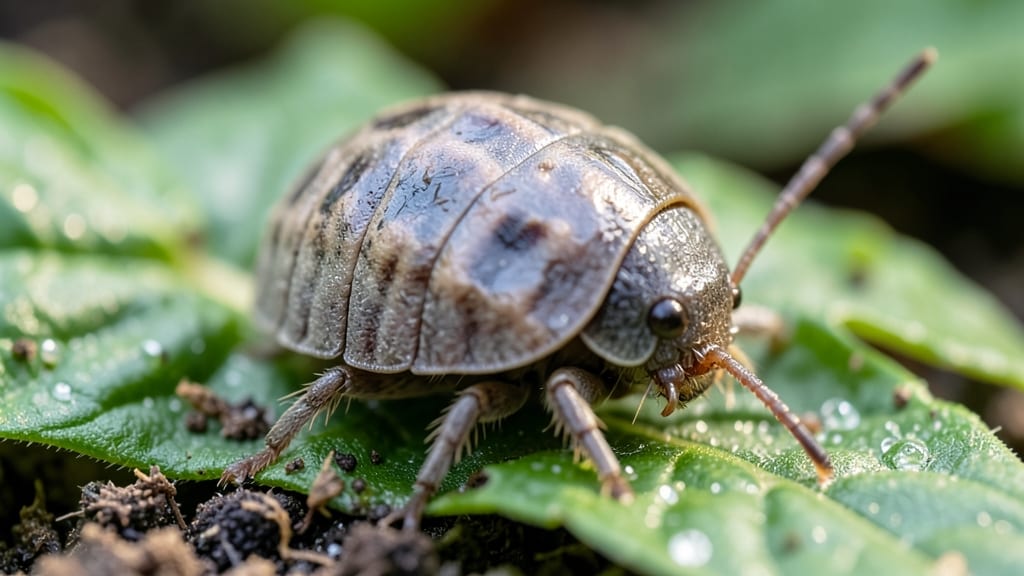
How to get rid of pill bugs in the garden naturally—those tiny armor-plated critters might seem harmless, but they're chewing through seedlings and leaving your garden looking like a buffet zone. 🌱 The key isn't just chasing them away—it's cutting off their escape routes with a simple, boil-and-pour barrier that smothers their favorite hiding spots.
Most people grab pesticides first, but that kills beneficial insects too. Instead, I've found that hot water poured along borders disrupts their moisture-loving habits while keeping your soil safe. Add a layer of dry sand or diatomaceous earth around plant bases—they hate crossing it.
Within 3-5 days, you'll see fewer pill bugs, and your seedlings will start growing instead of getting nibbled.
The real win? This method works for long-term prevention too. Once you break their cycle, they rarely return. Your garden stays healthy, your plants thrive, and you avoid the chemical cleanup. The best part? It costs less than $10 for supplies and takes 15 minutes to set up.
Works in vegetable beds, flower gardens, and even potted plants—just adjust the barrier width based on your space. Here's exactly how to create the smothering effect that keeps pill bugs out for good.
The Real Culprits Behind Pill Bugs
Pill bugs—those tiny, armored critters that scurry into hiding when you turn over a rock—aren’t just a nuisance; they’re a sign your garden’s ecosystem is out of balance. But why do they suddenly invade your carefully tended plants?
The answer lies in a mix of environmental factors, human habits, and the natural behaviors of these creatures. Let’s break down the key reasons pill bugs (also called rolly-pollies or woodlice) take over your garden—and how to address them at the root.
Pill bugs thrive in high humidity and damp conditions. Unlike insects, they’re not true bugs—they’re terrestrial crustaceans (related to shrimp and crabs!) that need moisture to breathe through tiny pores in their exoskeletons. If your garden is consistently soggy, you’ve created a five-star resort for them.
- Overwatering or poor drainage turns soil into a swamp, making it irresistible.
- Shady, mulch-heavy areas trap moisture, especially in containers or under dense foliage.
- Rainy seasons or irrigation runoff can flood hiding spots like leaf litter, boards, or under pots.
💡 Pro Tip: If your garden stays damp for days after rain, pill bugs will multiply faster than weeds. Fix drainage first—they won’t stick around if their "hotel" is uncomfortable.
Pill bugs are detritivores, meaning they feast on decaying plant matter. If your garden is a composting goldmine, they’ll move in en masse.
Their menu includes: - Leaf litter (especially thick layers under shrubs). - Mulch piles (shredded bark, straw, or grass clippings). - Rotten wood or bark (great for nesting). - Fallen fruit or veggie scraps (a protein-rich treat for them).
🔥 Why It Matters: A single pill bug can consume up to 30% of its body weight daily in decaying material. If you’re not clearing debris, you’re basically inviting them to a smorgasbord.
Pill bugs avoid open spaces—they’re nocturnal and skittish, preferring dark, enclosed areas where predators (like birds or frogs) can’t reach them.
Common hiding spots include: - Under pots, rocks, or garden tools (especially if stacked against walls). - Inside cracks in patios, walkways, or wooden structures (they squeeze into tiny gaps!). - Piles of bricks, firewood, or construction debris. - Hollow stems or dense ground covers (like ivy or hostas).
🌡️ Key Insight: If your garden has clutter or untidy edges, pill bugs will treat it like a luxury condo complex. Remove hiding spots, and they’ll relocate—or vanish entirely.
While pill bugs don’t eat living plants, they love the decaying roots, fallen leaves, and organic matter from certain plants.
Gardens with: - Heavy mulch beds (especially thick wood chips or straw). - Succulent or drought-tolerant plants (their fallen leaves create micro-climates). - Vegetable gardens with compost-rich soil (a buffet for their larvae). - Shady, acidic soil conditions (mimicking their natural forest floor habitat).
✨ Surprising Fact: Pill bugs avoid alkaline soil (pH above 7). If your garden is too basic, they’ll seek out moister, acidic spots nearby—like your neighbor’s mulch pile.
In a healthy ecosystem, pill bugs are kept in check by:
- Birds (like robins or thrushes, who snack on them).
- Frogs, toads, and salamanders (their favorite protein snack).
- Ground beetles and spiders (which hunt them at night).
- Chickens or ducks (if you have a coop nearby).
🔪 The Problem: If you’ve used broad-spectrum pesticides, killed off predators, or removed natural water sources (like shallow dishes for frogs), pill bugs reproduce unchecked. A single female can lay 50–200 eggs in her lifetime!
Sometimes, our own gardening practices create the perfect pill bug paradise.
Common mistakes include: - Over-mulching (more than 2–3 inches smothers soil and traps moisture). - Ignoring gutters or downspouts (leading to water pooling near foundations). - Storing firewood or lumber against the house (creating dark, damp microhabitats). - Using plastic mulch (which holds moisture and creates a sealed, pill-bug-friendly environment).
🎯 Actionable Fix: Audit your garden’s "pill bug appeal"—remove anything that provides moisture + shelter, and they’ll have no reason to stay.
Natural Fixes for Pill Bug Overload
Pill bugs may seem harmless, but their presence in large numbers can damage plants, mulch, and even wood. The good news? You don’t need harsh chemicals to banish them.
Below are practical, natural solutions tailored to the root causes of your pill bug problem—plus prevention tips to keep them away for good.
Pill bugs thrive in damp, organic-rich environments. If they’re swarming under mulch or near wood piles, starve them out with a simple DIY barrier.
🔥 Boil-and-Pour Method (Smothers Hiding Spots)
- Boil 1 gallon of water with 1 tbsp of dish soap (or 1 cup of vinegar for extra potency).
- Cool slightly (but keep it warm—this helps penetrate cracks).
- Pour along the perimeter of affected areas (under mulch, near wood piles, or garden edges). - Focus on 1–2 feet outward from their hotspots.
- Repeat weekly for 2–3 weeks to break their life cycle.
✨ Pro Tip: Add crushed eggshells or diatomaceous earth to the soil afterward—they’ll deter pill bugs and slugs naturally.
Pill bugs love dampness. If your garden stays soggy, reduce humidity to make it less inviting.
👨🍳 Fix It With:
- Improve drainage by amending soil with compost + perlite.
- Space plants properly to allow airflow (pill bugs hide in dense, wet foliage).
- Use gravel or sand as mulch in problem areas—it repels moisture-loving pests.
💡 Quick Fix: Place dry leaves or straw around plants to absorb excess moisture while keeping pill bugs away.
Pill bugs break down organic matter—but if they’re overpopulating, redirect their energy elsewhere.
🔪 Trap & Remove Them:
- Set up a simple trap using a flat board or cardboard near their hotspots. - Pill bugs will crawl underneath to hide.
- Check daily and relocate them to a compost pile far from your garden (or release them in a wooded area).
- Replace decaying wood with cedar mulch or treated lumber (pill bugs avoid it).
⏰ Timing Matters: Do this in the early morning when pill bugs are most active.
Pill bugs seek shelter when temperatures swing. Disrupt their comfort zone to encourage them to leave.
🎯 Heat or Cold Treatment:
- For small areas: Sprinkle coarse salt (sparingly!) along edges—it dehydrates them.
- For large gardens: Use a hose to blast them off plants (early morning works best).
- Freeze-prone zones: In winter, remove thick mulch layers to expose them to cold (they’ll retreat deeper underground).
Once you’ve kicked them out, lock them in with these low-effort habits:
| Problem | Solution | How Often |
|---|---|---|
| Damp soil | Add sand or gravel to mulch | Once, then maintain |
| Wood piles near garden | Store firewood away from plants | Seasonal check |
| Overly rich compost | Mix in more browns (leaves, straw) | When turning compost |
| Dense plantings | Thin out foliage for airflow | Spring/fall pruning |
Final Reminder: Pill bugs are beneficial in moderation—they decompose organic matter. Only intervene if they’re damaging plants or becoming a nuisance. With these methods, you’ll naturally reduce their numbers without harming your garden’s ecosystem.
(Need a deeper dive? Check out our [Boil-and-Pour Barrier Guide](#) for step-by-step smothering techniques!)
Frequently asked questions
Are pill bugs actually harmful to my garden?
In small numbers, they're harmless and even helpful—they break down organic matter! But when they overpopulate, they can damage seedlings, compost piles, and mulch. Watch for chewed leaves or hollow stems near damp areas. They don't eat living plants directly, but their activity creates ideal conditions for mold and rot.
How long does it take for natural methods to work?
Most natural solutions show results within 3-5 days of consistent application. The boil-and-pour barrier method works fastest (24-48 hours), while habitat changes (like improving drainage) take 1-2 weeks to fully deter them. Be patient—pill bugs reproduce slowly compared to insects.
Can I use diatomaceous earth on edible plants?
Yes, but use food-grade diatomaceous earth only! Sprinkle a thin layer (1/4 inch) around plant bases, avoiding direct contact with leaves. Reapply after rain. It's safe for humans and pets once settled, but wear a mask when applying to avoid inhaling the fine powder.
Why do pill bugs keep coming back after I treat them?
They often return because their preferred conditions (dampness + shelter) still exist. Check for hidden moisture sources like poor drainage or thick mulch piles. Also verify you've removed all hiding spots—pill bugs will reinfest if they can crawl back under boards, rocks, or dense foliage within 24 hours.
Are there any plants that naturally repel pill bugs?
While no plants completely repel pill bugs, certain herbs may help deter them: rosemary, thyme, oregano, and mint have strong scents that pill bugs dislike. Plant these near problem areas or use their clippings as mulch. The key is reducing moisture and organic matter—their main attractants.