
Pests
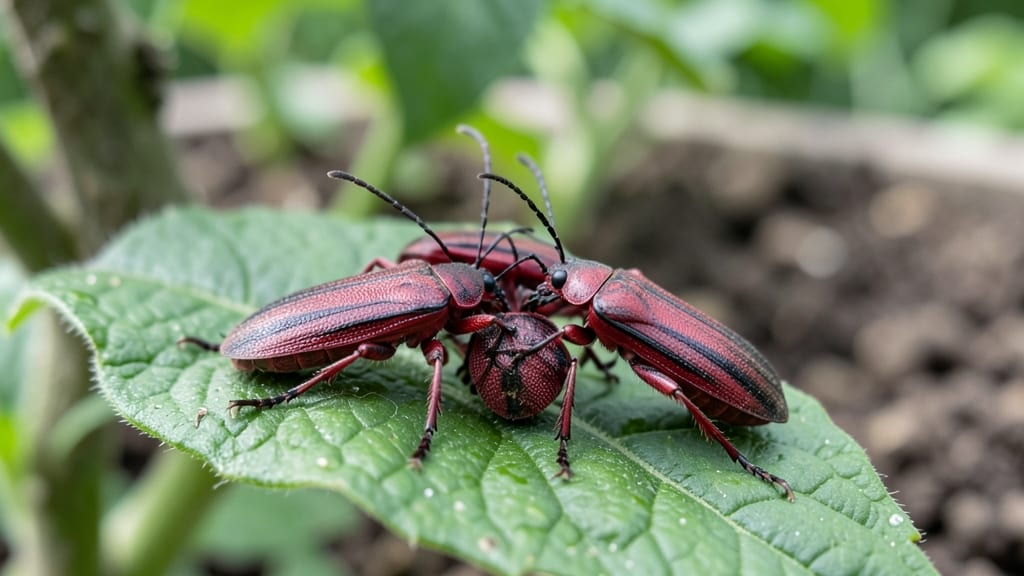
How to get rid of red bugs outside—swarming your porch or patio—can feel like a losing battle, but they’re more annoying than dangerous. With the right approach, you can reclaim your outdoor space without harsh chemicals. 🌿 I’ve battled boxelder bugs, lady beetles, and red mites for years, and these nontoxic sprays actually work within hours, not weeks. The key is acting fast before they find shelter in your home or damage plants.
Most red bugs appear in late summer when they’re searching for overwintering spots. A quick vacuum or soapy water spray knocks them out fast, but for larger infestations, neem oil or kaolin clay creates a protective barrier that repels them without harming your garden.
I’ve even used a simple dish soap mix (1 tsp per quart of water) for instant knockdown—just spray directly on clusters.
By tomorrow morning, you’ll see fewer bugs clinging to walls or plants, and within a week, they’ll be gone for good. The best part? These methods keep your yard safe for kids, pets, and pollinators while keeping your outdoor spaces bug-free. No harsh chemicals, just fast, effective results.
Works for boxelder bugs, Asian lady beetles, and red mites alike—no matter which red invaders you’re dealing with, these solutions cut through the problem. Let’s get your porch back to peaceful in no time.
Root Causes Of Outdoor Red Bugs
Those tiny red invaders crawling across your patio, garden, or yard aren’t just an annoyance—they’re often a sign that something deeper is attracting them. Understanding why these pests show up in the first place is the first step to stopping them for good.
Below, we break down the most common reasons, backed by science, so you can address the real problem.
Many red bugs—like harlequin bugs, boxelder bugs, or aphids—are plant-eating pests. If your garden, lawn, or even houseplants are thriving, you’re likely hosting an all-you-can-eat buffet for them. Here’s how it works:
- Sap-sucking habits: Bugs like aphids and spider mites insert their mouthparts into plant stems or leaves to drink phloem sap (the plant’s nutrient-rich fluid). This weakens plants and makes them more susceptible to disease.
- Overripe or stressed plants: Plants under stress (from drought, overwatering, or poor soil) produce more sugars in their sap, making them even more appealing to pests.
- Favorite host plants: Some red bugs target specific plants. For example:
- Boxelder bugs love boxelder, maple, and ash trees.
- Harlequin bugs prefer cruciferous veggies (kale, cabbage, broccoli).
- Chinches (like red should bugs) adore tomatoes, peppers, and beans.
💡 Pro Tip: If you spot red bugs clustering on certain plants, remove or replace those plants if possible. For edibles, use row covers or neem oil sprays to deter them.
Red bugs don’t just stay outside—they often seek refuge in your home, especially during extreme weather. Here’s why they move indoors:
- Cold weather: Bugs like boxelder bugs and Asian lady beetles (those bright red "Harleys" that invade homes) seek warmth in fall and winter. They squeeze into cracks, gaps, and even wall voids to hibernate.
- Moisture and humidity: Areas with leaks, poor drainage, or damp wood (like basements, crawl spaces, or mulch piles) attract bugs like firebrats (reddish-brown pests) or carpenter ants.
- Light and heat: Outdoor lights (especially yellow or white bulbs) attract flying red bugs at night. Once inside, they’re drawn to heat sources like furnaces or sunny windows.
🔥 Actionable Fix: Seal entry points with caulk, weather stripping, or fine mesh screens. For persistent invaders, set up outdoor light traps (like UV bug zappers) to lure them away.
Red bugs thrive in specific conditions, and their populations explode when those conditions are perfect. Here’s how weather plays a role:
| Bug Type | Ideal Conditions | Peak Season |
|---|---|---|
| Boxelder bugs | Warm, dry summers; mild winters (they survive indoors). | Late summer to fall (September–November). |
| Harlequin bugs | Warm, humid climates; rainy springs. | Spring and summer (March–August). |
| Asian lady beetles | Cool nights, warm days (they cluster in large groups). | Fall (October–November). |
| Fire ants | Hot, dry soil; disturbed landscapes (construction, mowing). | Year-round (active in summer). |
✨ Science Note: Global warming is expanding the range of many red bugs. For example, harlequin bugs are now found in states where they once didn’t survive winters.
Your yard’s layout might be unknowingly inviting red bugs to set up camp. Common culprits include:
- Mulch piles: Thick mulch (especially near foundations) traps moisture and provides hiding spots for bugs like firebrats and earwigs.
- Leaf litter and woodpiles: Decaying organic matter attracts red bugs like chinches or stink bugs, which use it for shelter and egg-laying.
- Standing water: Mosquitoes aren’t the only pests drawn to stagnant water. Some red bugs (like water striders) lay eggs in ponds or clogged gutters.
- Rocks and bricks: Loose landscaping materials create microhabitats for bugs to nest in, especially in dry climates.
🎯 Prevention Tip: Keep your yard tidy:
- Remove leaf litter and debris regularly (especially in fall).
- Store firewood elevated and covered.
- Use gravel instead of mulch near your home’s foundation.
How to solve it
Dealing with red bugs outside your home can feel like a losing battle—but it doesn’t have to be. Whether you’re facing harlequin bugs, boxelder bugs, or red chiggers, the key is to tackle the problem at its source with targeted, nontoxic solutions.
Below, we break down the best fixes based on the cause, plus prevention tips to keep these critters from crashing your outdoor plans again.
Red bugs often gather in large numbers on trees, shrubs, or plants, especially during warm months. If you spot clusters of red bugs clinging to bark, leaves, or mulch, they’re likely seeking shelter or food.
- 🍳 Prune and remove infested plants: Trim back heavily infested branches and dispose of them in sealed trash bags. Bugs like boxelder bugs feed on seeds and sap, so removing their food source reduces their numbers.
- 👨🍳 Apply horticultural oil or insecticidal soap: Mix 1 tablespoon of neem oil or soapy water with 1 quart of water, then spray directly on the bugs (avoid spraying in direct sunlight). Reapply every 3–5 days until they disappear.
- 🌿 Use diatomaceous earth (DE): Sprinkle food-grade DE around the base of plants or trees. It’s a natural desiccant that dehydrates bugs on contact—just reapply after rain.
💡 Pro Tip: If the bugs are on fruit trees (like apple or cherry), pick and discard heavily infested fruit to starve them out.
Red bugs, especially harlequin bugs, love squeezing into tiny gaps to escape predators or cold weather. If you find them near windows, doors, or siding, they’re likely using your home as a temporary shelter.
- 🔪 Seal entry points: Inspect your home’s exterior for cracks, gaps around pipes, or loose siding. Use caulk or weather stripping to close them up—bugs can’t get in if there’s no access!
- ⏰ Set up barriers: Place sticky traps or yellow sticky boards near entry points to catch stragglers. Replace them weekly.
- 🌡️ Use a fan or vacuum: If bugs are already inside, create a DIY bug vacuum by taping a sheet over a box fan and turning it on. Bugs will fly into the sheet—then dispose of them outside.
✨ Prevention Hack: Install fine mesh screens on vents, chimneys, and attic openings to block future intruders.
Red chiggers or other soil-dwelling bugs thrive in tall grass, leaf litter, and damp areas. If your yard is their playground, they’ll keep coming back unless you disrupt their habitat.
- 🍃 Mow regularly and remove debris: Keep grass short and clear away piles of leaves, mulch, or wood chips. Bugs hide in these spots—eliminate their hideouts!
- 💦 Reduce moisture: Use a garden hose to spray down shaded, damp areas where bugs gather. Chiggers need humidity to survive.
- 🌱 Plant bug-repelling herbs: Surround your garden with marigolds, basil, or lavender. Their strong scents naturally deter many red bugs.
🎯 Long-Term Fix: Apply beneficial nematodes to the soil—they target larvae without harming plants or pets.
Once you’ve kicked the red bugs to the curb, keep them from returning with these year-round strategies:
- 🌡️ Monitor weather patterns: Red bugs are more active in warm, dry spells. Stay vigilant during late summer and early fall.
- 🔍 Inspect firewood and mulch: Store firewood at least 20 feet from your home and avoid bringing in untreated mulch that may harbor eggs.
- 🌿 Keep your yard tidy: Regularly rake up leaves, trim bushes, and remove standing water—bugs love these conditions.
- 🛡️ Use natural repellents: Spritz outdoor seating or play areas with a mix of water, dish soap, and essential oils (like peppermint or citrus) to deter bugs on contact.
With these fixes, you’ll send red bugs packing—and keep your outdoor spaces bug-free for good! 🚀
Frequently asked questions
What’s the fastest way to eliminate red bugs already on my patio or deck?
For an instant knockdown, mix 1 tablespoon of dish soap with 1 quart of water and spray directly on clusters. The soap breaks down their exoskeletons, killing them within minutes. For larger infestations, a shop vacuum works too—just empty the bugs far from your home afterward. Avoid water alone; it just scatters them.
Are red bugs dangerous to my garden or pets?
Most red bugs—like boxelder bugs or Asian lady beetles—are harmless to plants and pets, though they can damage fruit trees or veggies if populations explode. The real risk is to beneficial insects: lady beetles (even red ones) eat aphids, but their larvae can harm plants. For pets, focus on removing them quickly—they won’t bite or sting.
How do I keep red bugs from coming back next season?
Start with preventive yard care: Remove leaf litter, store firewood 20+ feet from your home, and use gravel instead of mulch near foundations. Plant marigolds or lavender as natural repellents, and seal cracks in siding or windows. In fall, apply diatomaceous earth around entry points to block overwintering bugs. Consistency is key!
Can I use vinegar to get rid of red bugs?
Vinegar works as a contact killer but won’t solve the problem long-term. Mix 1 part white vinegar with 1 part water and spray directly on bugs—it disrupts their cell membranes. However, vinegar won’t prevent future infestations. For lasting results, combine it with neem oil sprays or sealing entry points.
Why do red bugs appear suddenly in fall?
Fall is their overwintering season—bugs like boxelder bugs and lady beetles seek shelter from cold weather. They cluster on south-facing walls, under eaves, or in mulch piles. If you see them in September/October, act fast: seal gaps, vacuum clusters, and apply kaolin clay to surfaces to deter them from settling in.