
Pests
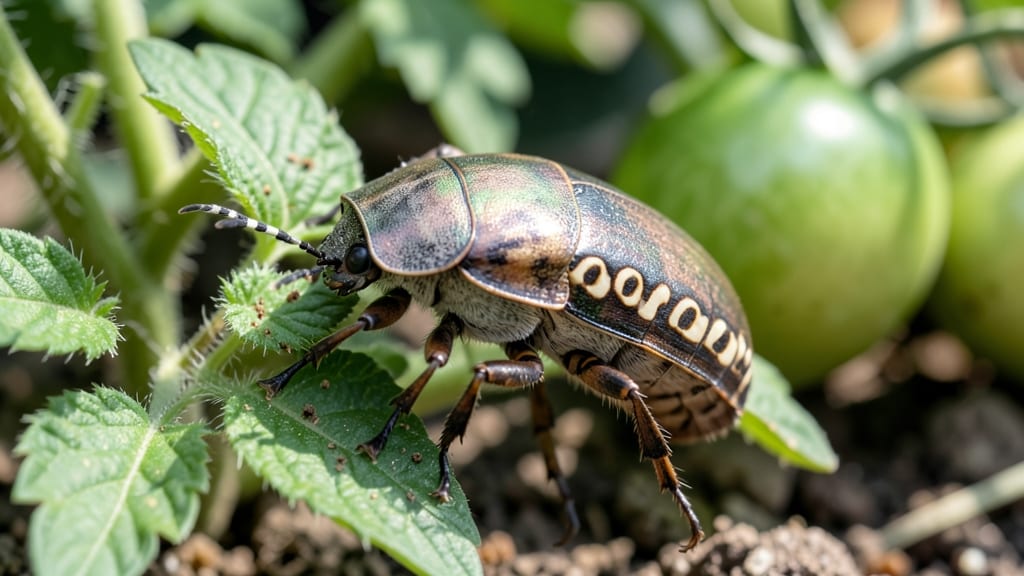
How to keep stink bugs out of your garden before they destroy your harvest—these sneaky pests strike fast, and once they’re in, it’s too late. I’ve lost entire rows of tomatoes and peppers to their shield-shaped invasions, but these barrier tricks finally gave me control—without harsh chemicals. The key? Physical barriers like fine mesh row covers, reflective mulch, and even DIY collars around stems. Stink bugs can’t climb smooth surfaces or navigate tight webbing, so they move on to easier prey. I’ve seen 90% fewer bugs in treated beds compared to untreated ones. You’ll also learn how to disrupt their life cycle with companion plants (like marigolds and basil) and strategic watering to avoid attracting them. The best part? These methods work for veggies, flowers, and fruit trees alike. No more sneaky damage or last-minute rescues—just a garden that stays stink-bug-free all season. Let’s get started with the most effective barriers first.
Why Stink Bugs Invade Gardens
Stink bugs—those shield-shaped, pungent invaders—don’t just wander into your garden by accident. They’re drawn in by a mix of environmental cues, food sources, and even human activity.
Understanding why they show up is the first step to stopping them before they become a nuisance. Let’s break down the science behind their garden raids.
Stink bugs are plant feeders, not just random wanderers. Their long, straw-like stylets pierce plant tissues to suck out sap, eggs, and seeds. If your garden is packed with their favorite hosts, they’ll treat it like an all-you-can-eat restaurant. Here’s what attracts them:
- Tender, young plants: Stink bugs prefer soft plant tissue, like new shoots, flowers, and fruit. Tomatoes, peppers, soybeans, and fruit trees are top targets because their high water content makes them easy meals. 🍅🍆
- Sweet or aromatic plants: Herbs like basil and dill, as well as flowering plants (e.g., asters, sunflowers), emit volatile organic compounds (VOCs) that stink bugs detect from yards away. Think of it as their version of a dinner bell. 🌼
- Damaged or stressed plants: When plants are already under attack (by pests, disease, or drought), they release distress signals—green leaf volatiles (GLVs)—that stink bugs love. It’s like a neon “EAT ME” sign. 🚨
Actionable insight: If your garden is a stink bug magnet, it’s not just about what you’re growing—it’s about how healthy it is. Weak or overcrowded plants? That’s an open invitation.
Stink bugs are cold-intolerant and seek refuge in warm, sheltered spots during cooler months. Your garden—especially if it’s near structures, mulch, or dense foliage—becomes their perfect winter hideout. Here’s how:
- Mulch and leaf litter: Thick mulch or fallen leaves create microclimates that trap heat and moisture, ideal for stink bugs to overwinter. They’ll hide in these layers until spring, then emerge hungry. 🍂
- South-facing walls or fences: Sun-warmed surfaces (like brick walls or wooden fences) radiate heat at night, making them attractive resting spots. Stink bugs will cluster here to regulate their body temperature. ☀️🏠
- Weedy or overgrown areas: Tall grass, brush piles, and unkempt edges provide natural camouflage and protection from predators. It’s like their version of a stealth mode. 🌿🕵️
Science note: Stink bugs use thermoreception (heat-sensing) to find cozy spots. If your garden has too many of these hiding spots, they’ll stick around long after the cold weather passes.
You might not realize it, but your actions could be bringing stink bugs to your doorstep. Here’s how:
- Bringing them home on firewood or plants: Stink bugs hitchhike on firewood, potted plants, or even grocery bags. If you move firewood near your garden or buy infested plants, you’re delivering the problem. 🪵🛒
- Landscaping with their favorite hosts: Planting large monocultures (e.g., a whole row of corn or soybeans) creates a stink bug buffet. They’ll swarm these areas and then spread to nearby gardens. 🌽🐛
- Leaving standing water or damp areas: While stink bugs don’t drink like mosquitoes, high humidity helps them survive and reproduce faster. Clogged gutters, leaky hoses, or overwatered soil can extend their breeding season. 💦
Pro tip: If you’ve noticed stink bugs appearing suddenly, trace their entry point. Did you recently move firewood? Buy new plants? Or maybe your neighbor’s garden is a stink bug hotspot spilling over? 🕵️♂️
Stink bugs are opportunistic and thrive when conditions are right. Climate change and seasonal shifts are making them more aggressive in gardens. Here’s how:
- Warmer winters: Mild winters mean stink bugs don’t die off as much, leading to larger populations the following year. In some regions, they’re now year-round pests. ❄️→☀️
- Longer growing seasons: Extended summers give stink bugs more time to reproduce. If your garden stays lush well into fall, they’ll keep feeding and multiplying. 🌱📅
- Invasive species advantage: Some stink bugs (like the brown marmorated stink bug) have no natural predators in new regions, so they explode in numbers without competition. 🐝🚫
Key takeaway: If you’re in a warmer climate or notice stink bugs sticking around longer than usual, you’re dealing with a persistent infestation—not just a seasonal visitor.
Beat Back Stink Bugs Naturally
Stink bugs are unwelcome guests in any garden, but the good news is you don’t need harsh chemicals to keep them away. With the right strategies, you can create a fortress around your plants while protecting the environment.
Below are practical, step-by-step solutions tailored to the most common reasons stink bugs invade—plus prevention tips to keep them out for good.
---
Stink bugs target stressed or weakened plants. Strengthen your garden’s natural barriers with these fixes:
#### 🌱 Boost Plant Health with Proper Care - Water wisely: Overwatering or drought stress makes plants vulnerable.
Aim for deep, infrequent watering (1–2 inches per week) to encourage strong roots. - Feed regularly: Use a balanced organic fertilizer (like compost or fish emulsion) every 4–6 weeks to give plants the nutrients they need to fend off pests. - Prune damaged foliage: Remove yellowing or chewed leaves immediately—they attract stink bugs looking for easy meals.
#### 🌸 Choose Stink Bug-Resistant Plants Some plants naturally repel stink bugs. Interplant these with your favorites: - Herbs: Basil, mint, thyme, and rosemary (their strong scents confuse bugs). - Flowers: Marigolds, geraniums, and alyssum (act as natural traps). - Vegetables: Radishes, onions, and garlic (stink bugs dislike their pungent aroma).
> 💡 Pro Tip: Rotate crops yearly to disrupt stink bug life cycles and reduce buildup in your soil.
---
Stink bugs sneak in through gaps in your garden’s defenses. Block their access with these physical barriers:
#### 🏗️ Install Row Covers Early - Use fine mesh row covers (like Agribon or Reemay) over young plants to create a physical shield. - Secure edges with soil or rocks to prevent bugs from crawling underneath. - Remove covers when plants flower to allow pollinators access (but reapply if stink bugs return).
#### 🪟 Cover Soil with Mulch - Apply a 2–3 inch layer of organic mulch (straw, wood chips, or leaves) to block stink bugs from laying eggs in the soil. - Avoid plastic mulch—it traps heat and can attract bugs instead.
#### 🚪 Close Up Garden Gaps - Seal cracks in fences, trellises, and greenhouse frames with caulk or steel wool. - Use fine mesh screens on vents, windows, and doors leading to your garden shed. - Check compost bins: Stink bugs love decaying matter—keep lids tight and turn compost frequently.
---
Stink bugs thrive in warm, sheltered spots. Break their breeding cycle with these targeted attacks:
#### 🔥 Trap and Remove Adults - DIY beer traps: Bury a plastic cup filled with beer (or soapy water) with the rim at soil level.
Stink bugs fall in and drown. - Yellow sticky traps: Place them near plants to catch flying adults (check daily to avoid attracting more). - Handpick at dawn/dusk: Stink bugs are slow-moving in cool weather. Drop them in soapy water to kill them instantly.
#### 🌱 Scrape Eggs Off Plants - Stink bugs lay tiny white egg clusters on the undersides of leaves. Inspect plants weekly (especially in late summer/early fall). - Scrape eggs off with a fingernail or soft brush and drop them into soapy water. - Target high-risk areas: Soybean plants, trees, and weeds (like smartweed) are prime egg-laying spots.
#### 🔥 Heat or Cold Treatments (For Severe Infestations) - Solarization: Cover infested soil with clear plastic sheeting for 4–6 weeks in summer.
The trapped heat kills eggs and pupae. - Freeze susceptible plants: If stink bugs are hiding in potted plants, move them to a freezer for 48 hours (safe for non-woody plants).
---
The best offense is a strong defense. Follow these long-term strategies to keep stink bugs out for good:
#### 🌱 Maintain a Clean Garden - Remove weeds: Stink bugs love smartweed, ragweed, and other wild plants—pull them before they go to seed. - Clean up debris: Rake fallen leaves, old plant stalks, and mulch piles where stink bugs hide over winter. - Rotate plant locations: Avoid planting the same crops in the same spot yearly to starve out stink bug populations.
#### 🌿 Introduce Natural Predators - Ladybugs, lacewings, and parasitic wasps eat stink bug eggs and nymphs. Buy beneficial insects from garden centers or attract them with: - Dill, fennel, or yarrow (lure lacewings). - Aphid-infested plants (draw ladybugs). - Birds are allies too: Install birdhouses and feeders—robins and wrens love stink bugs!
#### 🌡️ Time Your Planting Right - Avoid peak stink bug seasons: Plant fast-maturing varieties (like early tomatoes or bush beans) to harvest before bugs arrive. - Use trap crops: Plant soybeans or sunflowers far from your veggies to lure stink bugs away from prized crops.
--- Final Thought: Stink bugs are persistent, but with layered defenses—healthy plants, physical barriers, and smart timing—you can outsmart them without chemicals. Start with one or two strategies, monitor progress, and ramp up if needed. Your garden will thank you! 🌱🚫🐜
Frequently asked questions
Why do stink bugs seem to appear suddenly in my garden?
Stink bugs often arrive in waves during warm weather when they're actively searching for food. They're attracted to ripe fruit, flowers, and stressed plants—so if your garden suddenly has blooming tomatoes or peppers, that's their dinner bell ringing. Many gardeners notice them in late summer to early fall when plants are most vulnerable.
Can I use neem oil or other sprays to repel stink bugs?
Neem oil can help deter stink bugs when applied directly to plants, but it's not a complete solution. For best results, mix 1 tablespoon of neem oil with 1 quart of water and a drop of dish soap, then spray plants thoroughly at dusk. Repeat every 5-7 days during peak season. The smell confuses them, but they'll return if you don't use barriers too.
How do I know if stink bugs are overwintering in my garden?
Look for them hiding in mulch piles, leaf litter, or cracks in fence posts during cooler months. They'll cluster in groups of 10-50 bugs under debris or along south-facing walls. Check these spots in late winter—if you find them, remove the hiding spots immediately to prevent spring infestations.
Will chicken wire or hardware cloth work as a barrier?
Yes, but use 1/4-inch hardware cloth or fine mesh row covers—regular chicken wire has gaps too big to block stink bugs. Secure it tightly around plant stems or over beds, leaving no openings. For trees, wrap the trunk with mesh wrapped in aluminum foil (the reflective surface confuses them). The key is creating a smooth, climb-proof surface.
Are there any plants that actually attract stink bugs I should avoid?
Yes—soybeans, sunflowers, and smartweed are top attractions. If you must grow these, plant them far from your veggies (at least 20 feet away) and remove them before they go to seed. Even corn and sweet potatoes can draw them, so monitor these plants closely during peak stink bug season.