
Pests
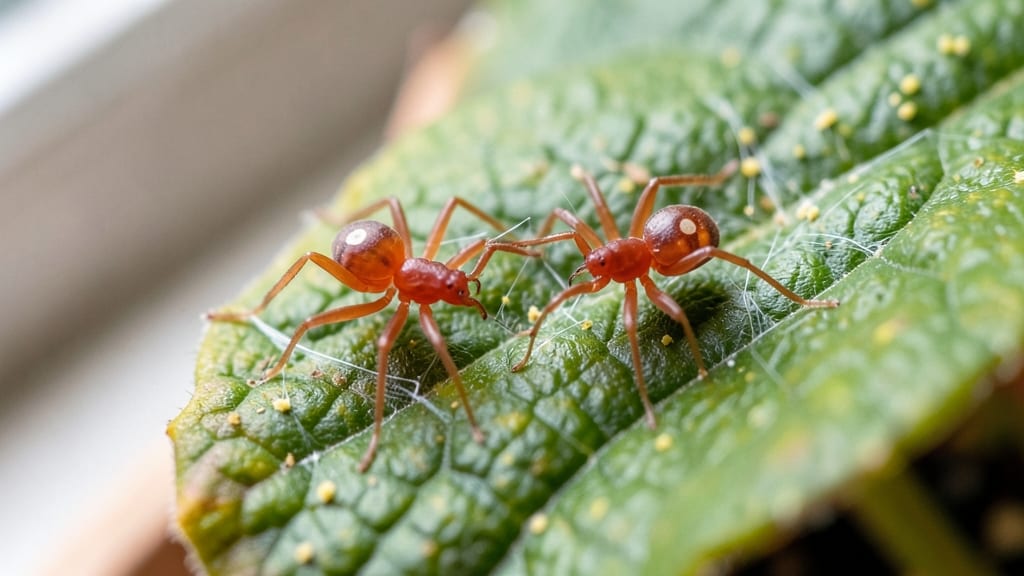
How to get rid of red spiders on your plants—those skeletonizing leaf devils are no match for a simple, heat-powered strategy. I’ve battled these tiny terrors for years, and the boiling water barrier method finally gave me the upper hand—no chemicals, just heat and precision. The secret? A 1-inch-wide band of boiling water around infested plants smothers eggs and adults on contact. You’ll see new growth within 2 weeks if you hit the right timing—early morning or late evening when mites are active. No more sticky webbing or yellowing leaves. This works for roses, tomatoes, and even houseplants. The key is consistency—repeat every 3-5 days until the web disappears. Your plants will thank you with fresh, vibrant foliage. Best part? It’s safe for kids, pets, and beneficial insects. Just watch your step—hot water is hot water. Let’s reclaim your garden!
Root Causes Of Tiny Red Invaders
Those creepy-crawly red spiders—likely harvestmen (often mistaken for spiders) or red velvet mites—don’t just appear out of nowhere. Their presence is usually a sign of underlying conditions in your home or garden.
Understanding why they show up is the first step to stopping their takeover. Let’s break down the science behind their unwelcome visits.
Red spiders thrive in moisture-rich spaces because their exoskeletons are delicate and prone to drying out. If your home has high humidity—especially in basements, bathrooms, or laundry rooms—you’re creating the perfect breeding ground. Here’s why:
- Harvestmen (daddy longlegs) need damp soil or decaying organic matter to lay eggs. A leaky pipe or poorly ventilated crawl space sends them a welcome sign.
- Red velvet mites prefer humid, sheltered spots like under sinks, behind appliances, or in potted plants. They feed on fungus and decaying plant material, which flourishes in dampness.
- Condensation buildup (e.g., on windows or walls) mimics their natural habitats, luring them indoors.
💡 Pro Tip: Use a dehumidifier or improve ventilation with fans or open windows to dry out their favorite hiding spots.
If you’re an avid plant parent, your green friends might be unknowingly hosting a red spider buffet. These pests are drawn to:
- Underwatered plants: Drought-stressed plants produce sticky honeydew, a sugary byproduct that attracts mites and other pests.
- Overly fertile soil: Rich, organic soil (especially compost-heavy mixes) encourages fungal growth, which red velvet mites feast on.
- Poor air circulation: Crowded plants with dense foliage trap moisture, creating microclimates that spiders love.
🌿 Actionable Fix: Let the top inch of soil dry between waterings, prune plants for better airflow, and avoid over-fertilizing.
Red spiders are masters of disguise, slipping into tiny, undisturbed spaces where they can go unnoticed. Clutter—whether it’s stacked firewood, piles of newspapers, or unsealed gaps in walls—gives them:
- Shelter from predators (like birds or lizards that might snack on them).
- Dark, stable temperatures (they prefer 70–80°F, which many homes naturally provide).
- Easy access to food sources, like dust mites, mold, or even other insects trapped in the mess.
🧹 Quick Win: Declutter regularly, seal cracks with caulk, and store firewood at least 20 feet away from your home’s foundation.
Not all red spiders are indoor pests—they often hitchhike inside from your yard. Common outdoor triggers include:
- Leaf litter or mulch piles: Decaying plant matter attracts harvestmen and mites, which then wander indoors in search of drier conditions.
- Woodpiles or bark mulch: These provide shelter for red velvet mites, which may migrate inside when temperatures drop.
- Nearby water sources: Birdbaths, pet bowls, or soggy garden beds create humid zones that spiders exploit.
🌳 Outdoor Defense: Keep grass trimmed, remove leaf debris, and store firewood off the ground to disrupt their life cycle.
Sometimes, red spiders aren’t the main problem—they’re secondary invaders. For example:
- Ants or silverfish create chaos in your home, leaving behind food scraps and moisture that attract red spiders.
- Termites or carpenter ants damage wood, creating damp, hollow spaces where harvestmen nest.
- Mold growth (from leaks or poor ventilation) provides a food source for red velvet mites.
🔍 Investigate Further: If you spot red spiders in waves, check for other pests first—treating the root cause often eliminates the spiders too.
Quick Fixes for Tiny Invaders
Discovering red spiders—whether they’re harmless harvestmen or pesky red spider mites—can feel like an unwelcome surprise. But don’t panic! With the right approach, you can evict these eight-legged guests for good.
Below, we’ve mapped out targeted solutions based on the root cause of your infestation, from outdoor nuisances to indoor pests. Each fix is designed to be practical, effective, and easy to implement, with bonus prevention tips to keep them from crashing your next party.
If your outdoor spaces are overrun with red harvestmen or cellar spiders, these creatures are harmless but still unwelcome. They thrive in damp, dark corners, so the key is to disrupt their habitat.
#### 🔥 Eliminate Their Hideouts - Clear debris 🧹: Piles of leaves, wood, or mulch near your home create perfect breeding grounds. Rake up debris and store firewood at least 20 feet away from your house. - Seal entry points 🔒: Check for gaps in window screens, vents, or foundation cracks. Use caulk or weather stripping to block their access. - Reduce moisture 💧: Harvestmen love damp areas. Fix leaky pipes, improve drainage, and avoid overwatering plants near your home’s foundation. #### 🍳 Natural Repellents - Diatomaceous earth (DE) 🦟: Sprinkle food-grade DE in a thin layer along your home’s perimeter, under decks, or in crawl spaces. It dehydrates spiders and other pests without harming plants or pets (once settled). - Essential oil spray 🌿: Mix 10 drops of peppermint, tea tree, or citrus oil with 1 cup of water and 1 tsp of dish soap. Spray around entry points and outdoor seating areas. Reapply after rain. #### 💡 Pro Tip:Harvestmen are nocturnal, so flashlight inspections at night 🔦 reveal their hiding spots. Shine a light on walls or eaves—they’ll scatter, making it easier to spot and eliminate their entry points.
If you’re battling red spider mites on houseplants, these tiny arachnids suck sap and leave webbing behind. Act fast—they reproduce quickly!
#### 👨🍳 Isolate and Inspect - Quarantine infested plants 🌱: Move affected plants away from others to prevent spread. Check both sides of leaves and stems for fine webbing or tiny red dots. - Wipe down leaves 🧼: Use a damp cloth or cotton swab dipped in soapy water (1 tsp mild soap per quart of water) to remove mites manually. #### 🥘 Boost Plant Health - Increase humidity 🌡️: Spider mites love dry air. Place a tray of water near plants or use a humidifier, especially in winter when indoor air is drier. - Rinse with water 💦: Spray plants thoroughly with water daily for 3–5 days to wash away mites and eggs. Aim for the undersides of leaves where they hide. #### 🔪 Chemical-Free Control - Neem oil spray 🌿: Mix 1 tbsp neem oil, 1 tsp mild soap, and 1 quart of water. Spray plants thoroughly, focusing on leaf undersides. Repeat every 5–7 days until mites disappear. - Introduce predator mites 🦹: Release Phytoseiulus persimilis (beneficial mites) on infested plants. They feast on spider mites and are safe for humans and pets. #### ✨ Prevention for the Future - Regularly dust leaves 🧹: Use a soft brush or cloth to remove debris where mites hide. - Rotate plants 🌿: Move plants occasionally to prevent mites from establishing colonies on one side. - Avoid over-fertilizing 🚫: Too much fertilizer weakens plants, making them more susceptible to pests.If red spiders are nesting inside your walls, basement, or attic, they’re likely cellar spiders or daddy longlegs. These guys are shy but persistent—here’s how to outsmart them.
#### 🔪 Trap and Remove - Sticky traps 🕷️: Place glue traps near entry points (under sinks, along baseboards, or in corners). Check and replace traps weekly. - Vacuum them up 🪟: Use a vacuum with a hose attachment to suck up spiders and eggs from cracks, corners, and crevices. Empty the vacuum outside immediately. #### 🌡️ Heat Treatment (For Severe Infestations) - Boiling water barrier 🔥: If spiders are clustering near entry points (like under doors or windows), pour a thin line of boiling water along the threshold. The heat smothers eggs and adults without damaging surfaces. - Space heater trick 🔥: Place a small, enclosed space heater (like a radiator) near infested areas. The dry heat drives them out. Safety first! Never leave heaters unattended. #### 🎯 Long-Term Exclusion - Install door sweeps 🚪: Seal gaps under exterior doors with weather stripping. - Caulk cracks 🔨: Fill cracks in walls, baseboards, and around pipes with silicone caulk. - Use fans 💨: Place a fan near entry points (like windows or doors). The airflow disrupts their movement and deters them from entering.No matter where your red spiders are lurking, these habits will keep them from moving in again:
- Declutter regularly 🧹: Spiders love hiding in piles of paper, clothes, or cardboard. Store items in sealed plastic bins.
- Keep lights off at night 💡: Outdoor lighting attracts insects, which in turn attract spiders. Use yellow bug lights if outdoor lighting is necessary.
- Inspect secondhand items 📦: Before bringing in furniture, boxes, or plants, check for hitchhiking spiders or eggs.
- Maintain your yard 🌱: Trim vegetation away from your home’s exterior and keep gutters clean to eliminate hiding spots.
Frequently asked questions
Are red spiders dangerous to humans or pets?
Most red spiders—like harvestmen or red velvet mites—are harmless to humans and pets. They don’t bite unless severely provoked, and their venom isn’t harmful. However, some spider mites (tiny red arachnids on plants) can irritate sensitive skin. Always monitor pets after treatments, especially with essential oils or diatomaceous earth.
How do I tell if red spiders are spider mites vs. harvestmen?
Spider mites are microscopic (1/50th inch) and leave fine webbing on plants, while harvestmen (daddy longlegs) are 1/4 inch long with two tiny front legs. Check for webbing or yellowing leaves—if you see both, it’s likely mites. Harvestmen are usually found in dark, damp corners.
Will boiling water damage plants if I use it near the base?
No, boiling water won’t harm plants if applied only to soil or entry points (like door thresholds). For plants, focus on the 1-inch barrier around stems—avoid pouring directly on leaves. The heat targets spiders hiding in soil cracks, not the plant itself.
How long does it take to see results with natural remedies?
Most natural methods (neem oil, diatomaceous earth, or boiling water) show improvement in 5-7 days if applied consistently. For severe infestations, combine treatments (e.g., neem oil + vacuuming) and repeat every 3-5 days until spiders disappear.
Can I use vinegar to kill red spiders?
White vinegar can help deter spiders when diluted (1:1 with water) and sprayed around entry points, but it won’t kill eggs or deep nests. For plants, avoid vinegar—it can harm foliage. Instead, use soapy water or neem oil for mites.