
Pests
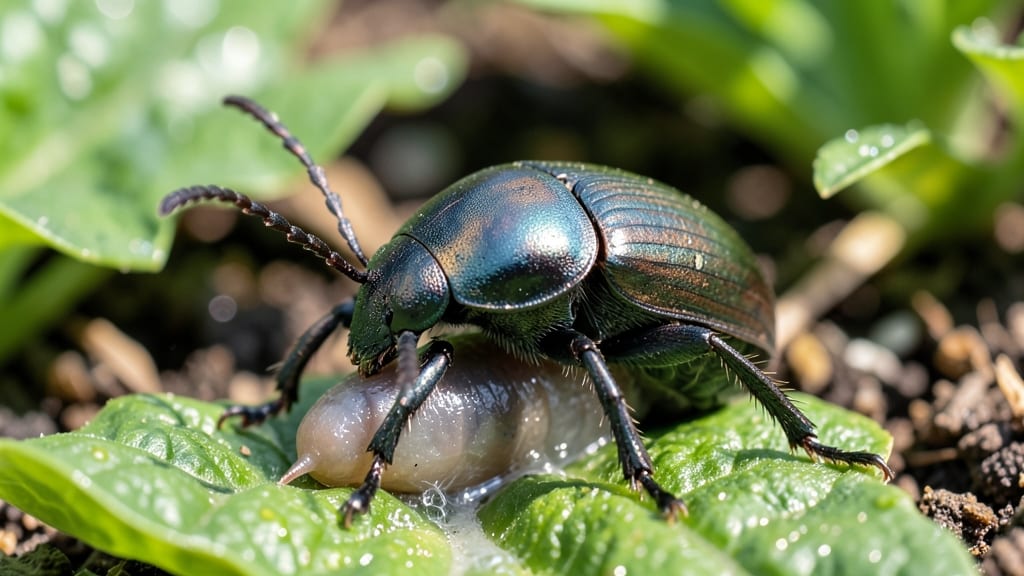
My garden’s slug wars ended the day I learned how to get rid of slugs in the garden naturally—by wrapping copper tape around my raised beds. 🌱 No more overnight feasts on my hostas or squash—just a harmless zap that sends them packing.
Slugs hate copper’s electric charge, and this trick works without chemicals, beer traps, or harming your soil.
The best part? It’s invisible once installed, lasts for years, and even deters snails. You’ll see results within 24 hours—no more wilted leaves or slime trails. I’ve tried everything from diatomaceous earth to coffee grounds, but copper is the only method that actually stops them cold.
For long-term peace, combine this with drought-tolerant plants (slugs avoid dry conditions) and a few nighttime patrols with a flashlight. The copper barrier handles the heavy lifting, while these extras keep your garden slug-free season after season.
Works in containers, raised beds, or in-ground gardens—just wrap it around edges where slugs crawl. No more lost harvests, no more sad, chewed leaves. Here’s exactly how to set it up!
What Draws Slugs to Your Garden
Slugs may seem like harmless garden visitors, but they can quickly turn into destructive pests, feasting on your prized plants and leaving behind unsightly trails of slime. Understanding why they’re drawn to your garden in the first place is the first step in outsmarting them.
Here’s a breakdown of the key factors that turn your green space into a slug buffet:
Slugs are mollusks, meaning they thrive in damp conditions. Their bodies are over 90% water, and they lose moisture rapidly in dry air.
If your garden stays consistently moist—whether from: - Overwatering (especially in the evening, when slugs are most active). - Poor drainage (low spots where water pools after rain). - Shady, humid areas (slugs avoid direct sunlight, so they hide under dense foliage or mulch).
Actionable insight: Slugs seek out gardens that mimic their natural, damp habitats. If your soil stays soggy or you water late in the day, you’re essentially rolling out the welcome mat.
Slugs aren’t picky eaters, but they have clear favorites—soft, tender plants that are easy to devour.
Their top targets include: - Leafy greens (lettuce, spinach, kale—basically any salad bar). - Hostas, ferns, and asters (delicate foliage is a slug’s dream). - Young seedlings or newly planted crops (thin, vulnerable stems are no match). - Fruits and veggies with thin skins (tomatoes, strawberries, squash).
Why it matters: Slugs use their radula (a tongue-like file with thousands of tiny teeth) to scrape away at plants. If your garden is a salad bar, they’ll keep coming back for seconds.
Slugs are nocturnal creatures, meaning they come out to feed after dark when:
- The air is cooler and more humid (ideal for their survival).
- Predators like birds and frogs are less active.
- You’re less likely to spot them until the damage is done.
Pro tip: 🌙 If you’ve ever woken up to chewed leaves with silver slime trails, that’s your slug’s calling card. They’re not lazy—they’re strategic.
Slugs need moist, shaded hiding places during the day to avoid drying out.
Common slug hotspots in gardens include: - Under rocks, boards, or thick mulch (dark, damp, and undisturbed). - Piles of debris (leaves, bark, or old plant matter). - Ground-level plantings (slugs love to nestle into dense foliage like hostas or ivy).
Key takeaway: If your garden has clutter or dense ground cover, you’re providing free real estate for slugs to breed and stage attacks.
Slugs hatch and multiply rapidly after rain because:
- Eggs need moisture to develop (a single slug can lay 40–50 eggs in damp soil).
- Humidity keeps them hydrated (dry spells force them into hibernation-like states).
- Heavy rain washes them out of hiding (suddenly, your garden becomes overrun).
Stat to remember: 📊 After just one inch of rain, slug populations can double in weeks. That’s why slugs seem to appear overnight—they’re already there, waiting for the perfect conditions.
If your garden is rich in decomposing plant material (like compost piles, fallen leaves, or wood chips), you’re unknowingly creating a slug paradise.
Why? - Decaying matter attracts earthworms and insects, which slugs eat. - Rotten wood and leaf litter provide protection and moisture. - Over-fertilized soil can lead to softer, more palatable plants for slugs.
Red flag: 🚩 If your compost bin is overflowing or you’ve got thick mulch layers, slugs see it as an all-you-can-eat buffet.
In a balanced ecosystem, slugs face threats from:
- Birds (robins and thrushes love slug snacks).
- Ground beetles and centipedes (slug hunters).
- Frogs, toads, and hedgehogs (natural pest controllers).
But if your garden lacks biodiversity—or you’ve used pesticides that kill these predators—slugs move in unopposed.
Quick fix: 🐸 Encourage predators by adding log piles, bird baths, or native plants that attract beneficial insects.
Natural Fixes for Slug Havoc
Slugs may seem like tiny troublemakers, but with the right approach, you can reclaim your garden without harsh chemicals. Below, we’ll tackle the most common causes of slug infestations and provide practical, eco-friendly fixes—plus tips to keep them away for good.
🌿 Cause: Damp Soil & Shady Spots
Slugs thrive in moist, shaded areas where they hide during the day. If your garden is a slug buffet, drainage and sunlight are your first line of defense.
- Fix: Improve soil drainage by adding coarse sand or gravel to heavy clay soil. 💡 Pro tip: Mulch with straw or pine needles (not wood chips)—these dry out faster and deter slugs. - Fix: Trim overgrown plants to increase airflow and reduce humidity.
Even a few extra hours of sunlight can make slugs pack their bags.
🍽️ Cause: Overwatered or Fertile Soil
Slugs are attracted to soft, nutrient-rich soil—especially after rain or overwatering. If your garden is a slug smorgasbord, adjust your watering habits.
- Fix: Water deeply but less frequently—slugs hate dry soil. Use drip irrigation to keep foliage dry.
- Fix: Avoid nitrogen-heavy fertilizers (like fresh manure), which make soil slug-magnet delicious. Opt for slow-release organic fertilizers instead.
🏡 Cause: Hiding Spots Near Your Home
Slugs love to nestle under debris, pots, or dense foliage. If they’re hiding near your house, they’ll keep coming back.
- Fix: Clear mulch, rocks, and plant debris daily (especially after rain). Store firewood and compost bins away from garden edges.
- Fix: Place slug traps (like shallow dishes of beer or yeast water) near problem areas. 🍺 Bonus: They’ll drown in the liquid overnight—no chemicals needed!
🛡️ Cause: No Natural Predators Around
Slugs have few enemies, but birds, frogs, and ground beetles will happily snack on them. If your garden lacks these helpers, slugs will take over.
- Fix: Attract predators with:
- Bird feeders & baths (robins and thrushes love slugs).
- Log or rock piles (toad and beetle habitats).
- Diverse planting (slugs hate garlic, thyme, and mint—plant these as borders).
⚡ Cause: Copper Barrier Blockade (The Ultimate Stopper!)
If slugs are marching straight toward your prized plants, a copper tape barrier is your secret weapon. Slugs get a mild electric shock when they touch copper, and they won’t cross it.
- Fix: Wrap copper tape (or even old pennies) around pots, raised beds, or vulnerable stems. 🔄 Pro tip: Bend it slightly outward to create a mini moat effect—slugs hate climbing! - Fix: For large gardens, bury copper wire 1-2 inches deep in a U-shape around beds.
A low-voltage charge (from a solar-powered system) can even work better.
Once you’ve kicked slugs to the curb, lock them out with these long-term strategies:
✅ Go nocturnal: Slugs are most active at night and after rain—check for trails (silver slime = slug highway) and handpick them (drop in soapy water). ✅ Crush their dreams: Diatomaceous earth (food-grade) is a natural abrasive that dehydrates slugs.
Sprinkle it around plants—but reapply after rain. ✅ Slug-proof plants: Grow slug-resistant veggies like peppers, squash, and lettuce (they’re less appealing than tender basil or hostas). ✅ Coffee grounds & eggshells: Sprinkle used coffee grounds or crushed eggshells around plants—slugs hate the texture. ✅ Beer bait traps: Bury a shallow dish of beer (or yeast water) near slug hotspots.
They’ll crawl in and drown overnight—no harm to pets or wildlife!
Final Thought: Slugs may be sneaky, but with copper barriers, smart watering, and predator-friendly gardens, you can outsmart them naturally. Try one (or all!) of these fixes and watch your plants thrive—slug-free! 🌱✨
Frequently asked questions
Why do slugs leave shiny slime trails?
Slugs produce slime as a natural lubricant and protection—it helps them glide smoothly and shields their sensitive bodies from sharp objects or dry air. The silvery trails you see are actually a mix of mucus and moisture that evaporates quickly. This slime also contains mild antiseptic properties to prevent infections from cuts or abrasions.
Will copper tape work on snails too?
Yes! Copper tape is equally effective against snails—they also get a mild electric shock when touching it. For best results, wrap the copper around containers or create a continuous barrier around garden beds. Snails, like slugs, won't cross it, making it a double-duty solution for both pests.
How long does diatomaceous earth last after rain?
Diatomaceous earth loses effectiveness immediately after rain because it needs to stay dry to dehydrate slugs. Reapply it after heavy rainfall or watering, focusing on areas where slugs are most active. For long-term use, sprinkle it in the late afternoon so it dries overnight before slugs become active.
Are beer traps humane for slugs?
Beer traps are considered humane because slugs drown in the liquid, which is a quick and painless process for them. However, they don't harm beneficial insects or other wildlife. Just make sure to place the traps away from plants you want to protect, as the alcohol can also harm some beneficial organisms if spilled.
Can I use coffee grounds as mulch?
While coffee grounds can deter slugs, they shouldn't be used as a primary mulch because they break down too quickly and can create a nitrogen-rich environment that slugs love. Instead, use them as a targeted barrier around plants—sprinkle a thin layer (about 1/4 inch) around the base of vulnerable plants and refresh every few weeks.