
Companion Plants
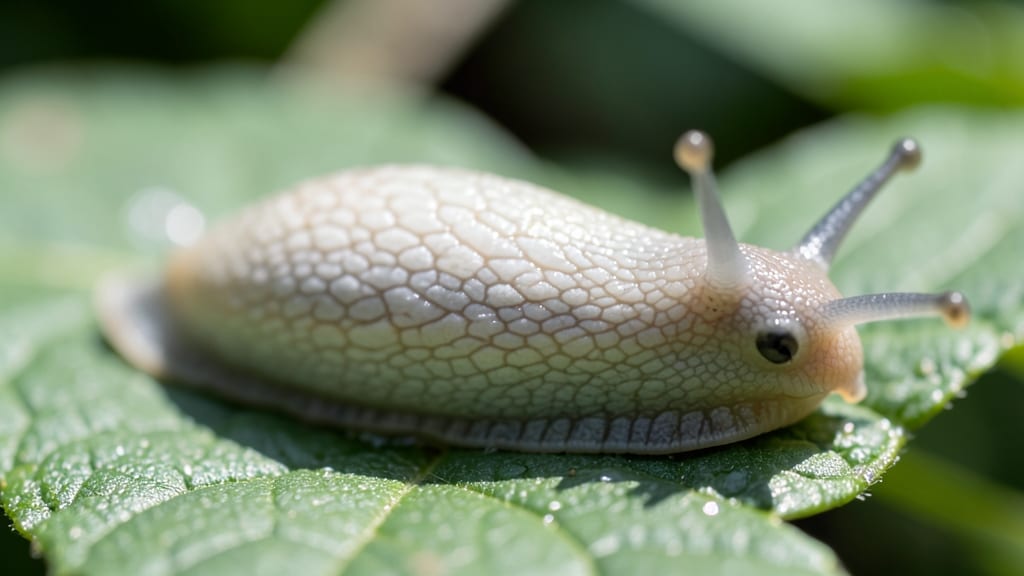
How to get rid of slugs on these plants—those silvery trails are a dead giveaway, and I’ve spent years perfecting the solution. 🌱 No chemicals, just clever, natural barriers that actually work. The key? Combining physical blocks, predator-friendly habitats, and a few sneaky tricks slugs can’t outsmart.
You’ll need copper tape for edges, crushed eggshells around vulnerable plants, and strategic companion plants like thyme or garlic that slugs despise. The best part? These methods protect your seedlings without harming the beneficial bugs that keep your garden thriving. No more waking up to skeletonized lettuce or chewed basil.
By morning, you’ll spot fewer trails, and by summer, your plants will grow bold and unscathed. The secret’s in the timing—slugs are most active after rain, so that’s when you strike. I’ll show you exactly how to set up these barriers so they last all season.
Works for containers, raised beds, and in-ground gardens alike. No more losing your harvest to these slimy pests—just a few simple steps to reclaim your plants. Let’s make your garden slug-proof!
📚 In This Guide
- What you need
- Instructions
- Tips and common mistakes
- Wrapping up and next steps
What you need
- ● Diatomaceous earth (food-grade): 1–2 pounds (enough to lightly dust a 10x10 ft area). Look for 99% pure, non-toxic powder.
- ● Crushed eggshells: 1 cup (dried and finely crushed). Save shells from 4–6 eggs for best results.
- ● Copper tape (1–2 inches wide): 10–20 feet, depending on garden size. Choose a thickness of 0.014–0.020 inches for effectiveness.
- ● Wood ash: 1–2 cups (from untreated wood fires only). Sift to remove large chunks.
- ● Gravel or coarse sand: 1–2 gallons. Use pea-sized or larger grains to create a physical barrier.
- ○ Gloves (optional but recommended): 1 pair (nitrile or rubber) to avoid skin irritation from diatomaceous earth.
- ● Spray bottle (8–16 oz): For applying homemade slug repellents like garlic or coffee grounds.
- ● Garden trowels or shovels: 1–2, for creating trenches or moving barriers.
- ○ Beer traps (optional): 4–6 shallow containers (yogurt cups or small bowls) filled with beer.
- ○ Plant-based repellents (optional): Fresh mint, thyme, or lavender clippings (1–2 cups) for mulching.
Step-by-step guide to creating natural slug barriers for your garden
Here's how I've successfully kept my garden slug-free using simple, chemical-free methods that actually work.
🌱 Step 1: Identify and Clear Slug Hotspots
Start by inspecting your garden at dusk—this is when slugs become most active. Look for slimy trails on leaves or along the soil surface, especially near water sources, dense foliage, and shaded areas. I always check under boards, rocks, and low-hanging plants first, as these provide perfect hiding spots during the day.
Remove any debris or organic matter that could shelter slugs, like fallen leaves, mulch piles, or weeds. Slugs thrive in damp, shaded environments, so clearing these areas reduces their numbers naturally. Pay special attention to the base of your most vulnerable plants—they're the first targets when slugs are hungry.
☀️ Step 2: Create Physical Barriers Around Plants
Use the copper tape to create a 1-inch wide ring around the base of each plant you want to protect. The copper emits a mild electric current when slugs touch it, acting as a natural deterrent. I wrap it around pots and containers too—slugs won't cross this invisible line. For larger garden beds, bend a copper wire into a circle and bury it 1 inch deep around the perimeter.
For organic options, try crushed eggshells or diatomaceous earth (food-grade only). Sprinkle a ¼-inch thick layer around plants, but avoid overapplying—it can harm beneficial insects. Reapply after rain or watering, as these barriers lose effectiveness when wet. The sharp edges deter slugs without harming your plants or the environment.
💧 Step 3: Use Moisture Control to Disrupt Slug Activity
Slugs need moisture to survive, so reducing their access to water is key. Water plants early in the morning so the soil dries by evening—this gives slugs less time to feed and move. Avoid overhead watering, which creates damp conditions slugs love. Instead, use drip irrigation or water at the base of plants.
If your garden has shaded or damp areas, consider adding gravel or coarse sand in a 2-inch wide band around vulnerable plants. This creates a dry zone slugs won't cross. I also place shallow dishes of beer (yes, really) near hotspots—slugs are attracted to it and drown. Replace the beer every 2-3 days for best results.
✂️ Step 4: Introduce Natural Predators
Encourage slug-eating predators like ground beetles, frogs, and birds by creating a slug-friendly ecosystem. Leave some leaf litter or small piles of wood in less critical areas—they provide hiding spots for these helpful creatures. Avoid pesticides, as they kill both pests and their natural predators.
If you have chickens or ducks, let them roam your garden during the day. They'll happily snack on slugs while also fertilizing the soil. Even a few predatory nematodes (like Phasmarhabditis hermaphrodita) can be applied to the soil—they seek out and kill slugs naturally. Follow package instructions carefully, as these microscopic worms need specific conditions to work effectively.
⏰ Step 5: Monitor and Maintain Barriers Regularly
Check your barriers every 3-4 days, especially after rain. Copper tape stays effective indefinitely, but organic barriers like eggshells or diatomaceous earth need replenishing. I keep a small bag of crushed eggshells near my garden tools to make quick repairs—it takes just a minute to refresh the line.
Rotate your methods seasonally. In spring and fall, when slugs are most active, focus on physical barriers and moisture control. During summer, when slugs are less active, maintain predator habitats and reduce evening watering. By staying consistent, you'll break the slug life cycle and protect your plants without chemicals.
Tips & tricks for creating effective natural slug barriers
These practical insights will help you maximize the effectiveness of your slug control methods while avoiding common pitfalls.
Timing is Everything: The best time to inspect for slugs is during dusk when they're most active, but don't forget to check again at dawn. I've found that slugs often move to new locations overnight, so a morning inspection catches any that slipped past your barriers. This double-check routine prevents new infestations from establishing themselves.
Barrier Placement Precision: When creating your 1-inch wide copper tape barrier, make sure it's continuous with no gaps—even a small break can let slugs bypass your protection. For organic barriers like crushed eggshells, create a slightly wider band (about 2 inches) since these materials can get displaced by rain or irrigation. I've learned this the hard way after seeing slugs slip through narrow gaps in my initial attempts.
Seasonal Strategy Shift: Spring and fall are peak slug seasons, so focus on physical barriers and moisture control during these times. In summer, when slugs are less active, maintain predator habitats and reduce evening watering. I rotate my methods seasonally and notice significantly fewer slugs when I stay consistent with this approach. The key is understanding slug behavior patterns throughout the year.
Predator Habitat Enhancement: To attract more slug-eating predators like ground beetles and frogs, create small, undisturbed areas with leaf litter or wood piles in less critical garden sections. These creatures need shelter too, and providing it encourages them to stick around. I've seen a dramatic increase in beneficial insects after implementing this simple habitat enhancement—it's like creating a mini ecosystem that works against slugs naturally.
Pro Tips for Get Rid Of Slugs On Plants
- These practical insights will help you maximize the effectiveness of your slug control methods while avoiding common pitfalls.
- Timing is Everything: The best time to inspect for slugs is during dusk when they're most active, but don't forget to check again at dawn.
- Barrier Placement Precision: When creating your 1-inch wide copper tape barrier, make sure it's continuous with no gaps—even a small break can let slugs bypass your protection.
Frequently asked questions
Got questions about keeping slugs away from your plants? You’re not alone—these slimy pests can be tricky! Here are some of the most common concerns and straightforward answers to help you tackle the problem like a pro.
What’s the best time of day to check for slugs on my plants?
Slugs are most active during cool, damp evenings or early mornings after rain. That’s when they leave the most visible trails of slime. Check your garden between 8 PM and midnight or right after sunrise for the best results. Pro tip: Use a flashlight with a red filter—it won’t spook them like white light!
How long does it take for natural slug deterrents to work?
Most natural methods like copper tape, diatomaceous earth, or companion plants (like marigolds or thyme) show results within 3–7 days, but slugs may take longer to fully disappear. For immediate relief, combine barriers (copper tape) with organic baits (beer traps). Consistency is key! Reapply deterrents after rain or heavy watering.
Is beer really an effective slug trap? What’s the best recipe?
Yes! Slugs are attracted to beer’s yeast and fermentation scents. Fill shallow containers (like yogurt cups) with equal parts beer and water, bury them slightly, and place near affected plants. Change the beer every 2–3 days for maximum effectiveness. Bonus: Add a drop of dish soap to break the surface tension—slugs drown faster!
Will slugs come back after I get rid of them?
Unfortunately, yes—slugs are persistent! They thrive in moist, shady environments, so prevention is your best defense. After eliminating them, keep your garden dry (use mulch sparingly), remove hiding spots (boards, rocks), and plant slug-repelling herbs like rosemary or lavender. Regular checks (especially post-rain) will help you stay ahead.
Are there any plants slugs love I should avoid growing?
Slugs have a serious sweet tooth! They adore hostas, lettuce, strawberries, marigolds, and impatiens. If you’re growing these, protect them with barriers (copper tape, crushed eggshells) or opt for slug-resistant alternatives like snapdragons, ferns, or ornamental grasses. Even better? Interplant their favorites with slug-deterring herbs!
Wrapping up and next steps
Getting rid of slugs naturally doesn’t have to be a battle—it’s all about smart, plant-powered strategies! 🌱 By combining physical barriers, repellent plants, and simple DIY traps, you can protect your garden without harsh chemicals.
Remember, consistency is key, so check your plants regularly and adjust methods as needed.
Now that you’re armed with these effective, eco-friendly solutions, take action! Start with one or two methods today, observe what works best in your garden, and soon you’ll enjoy slug-free, thriving plants. Happy gardening! 🌿