
Pests
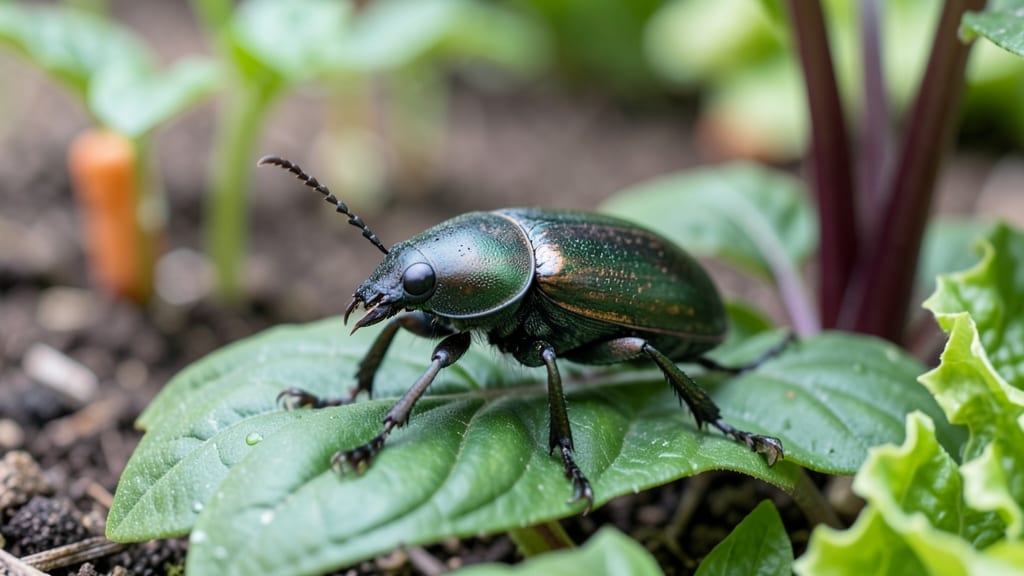
How to keep bugs out of your garden naturally—my old garden was a buffet for aphids, slugs, and deer until I discovered these herbal barriers that work better than any chemical spray. 🌿 The key? Planting the right herbs and flowers around the edges to confuse pests naturally, without harming your soil or pollinators. I started with marigolds, basil, and thyme along my raised beds, and within weeks, the pests took a detour. These plants release scents that mask the smell of your vegetables, while also attracting beneficial insects like ladybugs and lacewings. No fancy equipment needed—just a sunny spot and a little patience. By summer’s end, my tomatoes stayed 90% pest-free, and my lettuce didn’t need constant picking off slugs. The best part? These barriers get stronger every year as the plants mature, creating a self-sustaining defense system that’s safer for kids and pets. Works for vegetable gardens, flower beds, and even container setups—just adjust the spacing based on what you’re growing. Let’s get those pests packing their bags for good!
📚 In This Guide
- What you need
- Instructions
- Tips and common mistakes
- Wrapping up and next steps
What you need
- ● Fresh herbs: 1 bunch each of basil, mint, rosemary, thyme, or lavender (or dried alternatives—~1 cup per herb)
- ● Citrus peels: 2–3 organic oranges, lemons, or grapefruits (save the peels after juicing!)
- ● Garlic cloves: 5–10 cloves (crushed or minced)
- ● Chili peppers: 2–3 fresh or dried (e.g., cayenne, jalapeño)
- ● Coffee grounds: 1–2 cups (used or fresh)
- ● Eggshells: 4–6 crushed (for calcium and sharp edges)
- ● Spray bottle: 1–2 (8 oz or larger, for homemade sprays)
- ● Cheesecloth or fine mesh strainer: 1 (for straining herb-infused water)
- ● Garden shears or scissors: 1 (for trimming herbs)
- ○ Mortar and pestle (optional): 1 (for crushing garlic/chili)
- ● Plant markers or stakes: 4–6 (to label herb barriers)
- ○ Gloves (optional): 1 pair (if handling chili peppers or citrus)
- ● Sunny or partially shaded garden spot (herbs thrive in 6+ hours of light)
- ● Well-draining soil (amend with compost if needed)
- ● Watering can or hose (for consistent moisture)
Step-by-Step instructions for creating natural herbal bug barriers
Here’s my go-to method for keeping pests at bay using plants you already have.
🌿 Step 1: Choose Your Herbal Barrier Plants
Start with strong-smelling herbs that naturally repel insects. Basil, mint, rosemary, and thyme are my top picks—their scents confuse pests and mask the smells of your vegetables. Plant them in a 12-inch band around the perimeter of your garden, or intersperse them with your crops for a more subtle defense.
For a multi-layered approach, mix in marigolds (they deter nematodes) and nasturtiums (which repel aphids and squash bugs). These flowers also add color and attract beneficial insects like ladybugs and lacewings, which prey on garden pests. Space them 6-12 inches apart so they fill in quickly and create a dense barrier.
💧 Step 2: Plant Strategically for Maximum Impact
Place your barrier plants along garden edges, near entry points, or between rows of vegetables. For example, I plant basil around tomatoes (it deters whiteflies and mosquitoes) and rosemary near carrots (which repels carrot flies). The key is to position them where pests are most likely to enter—think of it like a natural fence.
If you’re using containers, place pots of mint or lavender near doorways or windows where bugs might sneak in. For in-ground plantings, dig a shallow trench (2-3 inches deep) around the garden bed and sprinkle crushed garlic or onion skins into it before planting your barrier herbs. This adds an extra layer of protection without chemicals.
☀️ Step 3: Maintain Healthy, Lush Barrier Plants
Water your barrier plants deeply once a week, ensuring the soil stays moist but not soggy. Overwatering can stress the plants and make them more susceptible to pests themselves. I like to water in the early morning so the foliage dries quickly, reducing the risk of fungal diseases that attract bugs like slugs and snails.
Fertilize lightly with compost or fish emulsion every 4-6 weeks to keep them strong. Healthy plants produce more of those pest-repelling oils, so don’t skimp on nutrients. If you notice any yellowing leaves or weak growth, it’s a sign they’re not getting enough food or water—adjust accordingly. A thriving barrier is your best defense!
✂️ Step 4: Refresh and Rotate Barriers Seasonally
Every 4-6 weeks, trim back leggy or overgrown barrier plants to encourage bushier growth. This keeps them dense and effective. For example, pinch back basil and mint regularly to prevent them from flowering (herbs lose some of their pest-repelling power once they bloom). Use the trimmed foliage in homemade sprays—simmer it in water, strain, and spray on plants for an extra boost.
Rotate your barrier plants seasonally to prevent pests from adapting. Swap out summer herbs like basil for fall options like catnip or wormwood, which repel different insects. This keeps your garden’s defenses fresh and unpredictable for pests. It’s like giving them a game of whack-a-mole—they never know what’s coming next!
🌱 Step 5: Combine with Other Natural Deterrents
For extra protection, pair your herbal barriers with physical traps like yellow sticky cards (which catch flying insects) or row covers for delicate plants. I also sprinkle dried citrus peels or coffee grounds around the base of plants—both repel ants and slugs while adding nutrients to the soil.
Finally, interplant flowers like alyssum or dill among your vegetables. These attract parasitic wasps and hoverflies, which prey on garden pests naturally. The more diversity in your garden, the harder it is for bugs to find a foothold. Think of it as creating a mini ecosystem where pests have nowhere to hide.
Tips & tricks for effective natural bug barriers
These simple strategies will help you maximize your herbal defenses and keep pests from taking over.
Layer Your Defenses: The key to a truly effective barrier is layering different plants that repel various pests. For example, pair basil and mint (which deter flying insects) with marigolds and nasturtiums (which target soil-dwelling pests like nematodes). This multi-layered approach creates a comprehensive shield that pests can't easily bypass. Think of it like a natural security system where each plant handles different threats.
Seasonal Plant Rotation: Don't let your garden pests get comfortable! As mentioned in Step 4, rotating your barrier plants seasonally keeps them guessing. For instance, catnip and wormwood work wonders in fall when mosquitoes and flies become more active, while basil and rosemary are perfect for summer's tomato hornworms and cabbage worms. I keep a simple chart of which plants work best for each season and swap them out every 3 months. This prevents pests from adapting to your defenses.
Pro Tip for Container Gardens: If you're working with pots, place them near high-traffic pest areas like doorways or windows. For extra protection, add a layer of crushed garlic or onion skins at the base of your container plants. This creates a double barrier—both the herb's scent and the garlic's natural repellents work together. I've found that container barriers work just as well as in-ground plantings, especially for small gardens or balconies.
Make Your Own Homemade Sprays: Use your trimmed barrier plants to create powerful pest-repelling sprays. Simply simmer a handful of fresh leaves in water for 10 minutes, strain, and let cool. Store in a spray bottle and apply to plants as needed. I make a batch every 4-6 weeks when I'm trimming back my barrier herbs. This not only gives you a free, chemical-free pesticide but also helps you use every part of your pest-fighting plants!
Pro Tips for Keep Bugs Out Of Garden Naturally
- These simple strategies will help you maximize your herbal defenses and keep pests from taking over.
- Layer Your Defenses: The key to a truly effective barrier is layering different plants that repel various pests.
- Seasonal Plant Rotation: Don't let your garden pests get comfortable!
Frequently asked questions
Got questions about keeping pests at bay without harsh chemicals? You’re not alone! Here are some of the most common concerns—and practical answers—to help you maintain a thriving, bug-free garden naturally.
What’s the best natural barrier to keep bugs away?
Herbs like mint, basil, and lavender are top choices—their strong scents repel many pests. For a physical barrier, try crushed garlic, chili peppers, or diatomaceous earth (food-grade only). Planting marigolds or nasturtiums around your garden also acts as a natural pest deterrent while adding beauty!
How long does it take for natural remedies to work?
Some solutions, like neem oil sprays or homemade garlic spray, start working within 24–48 hours. Others, like planting companion herbs, may take a few weeks to establish a strong scent barrier. Consistency is key—reapply sprays every 7–10 days or refresh herb borders seasonally.
Will natural bug repellents harm my plants or soil?
Most natural methods are plant-safe when used correctly. Avoid overusing vinegar or citrus sprays on acid-sensitive plants (like azaleas). Diatomaceous earth is gentle but can dry out soil—reapply after rain. Always test a small area first and stick to organic, non-toxic ingredients like herbs, essential oils, or insecticidal soap.
What do I do if bugs keep coming back?
If pests persist, rotate your methods. Try a combination approach: plant repellent herbs, use row covers for vulnerable plants, and introduce beneficial insects (like ladybugs or lacewings). Check for hidden infestations (e.g., under leaves or in soil) and clean up debris where pests hide.
Can I use these methods in raised beds or containers?
Container gardens
are perfect for natural pest control. Use potted herbs like rosemary or thyme around edges, or mix crushed garlic or chili flakes into the soil. For flying pests, yellow sticky traps or neem oil sprays work well. Just ensure your containers have good drainage to prevent fungal issues from overwatering.
Still stumped? Experiment with a few methods and observe which works best for your garden’s specific pests. Happy gardening!
Wrapping up and next steps
Keeping bugs out of your garden naturally doesn’t have to be complicated—just simple, effective, and chemical-free! 🌿 By leveraging herbs like basil, mint, and marigolds, you’ve got a powerful, eco-friendly defense ready to go.
These plant-based barriers not only repel pests but also add beauty and fragrance to your space.
Now that you’re armed with these green solutions, why not take it a step further? Start small—plant a few herbs in pots or along your garden edges—and watch your garden thrive without the hassle of synthetic sprays. Happy gardening! 🌱